


The rumor mill has been churning for months. Car enthusiasts and EV buyers alike keep asking the same question: when is the Acura Integra EV actually coming out? It’s a fair question, especially with Acura quietly reshaping its lineup. If you’ve been holding out for an all-electric version of the iconic Integra, here’s the reality check you need.
Let’s cut through the speculation. I’ve been covering the automotive industry for two decades, and I’ve learned that reading between the lines of official announcements matters as much as the headlines. Here’s what we actually know about the Acura Integra EV release date, what it will cost, and where it fits into the brand’s bigger electric plans — and if you want a deeper breakdown of specs, rumors, and development history, check our complete Acura Integra EV guide.
Table of contents
- The Big News That Changes Everything
- Acura Integra EV Release Date: What’s Real, What’s Not
- The RSX EV: Our Best Preview of What’s Coming
- Acura Integra EV Price: Setting Expectations
- The 2026 Tax Credit Reality Check
- Acura EV Lineup 2025-2026: Filling Out the Portfolio
- Real-World Considerations Before You Buy
- Alternatives Worth Considering
- Final Thoughts: Patience Pays
- Acura Integra EV Release Date — FAQs
The Big News That Changes Everything
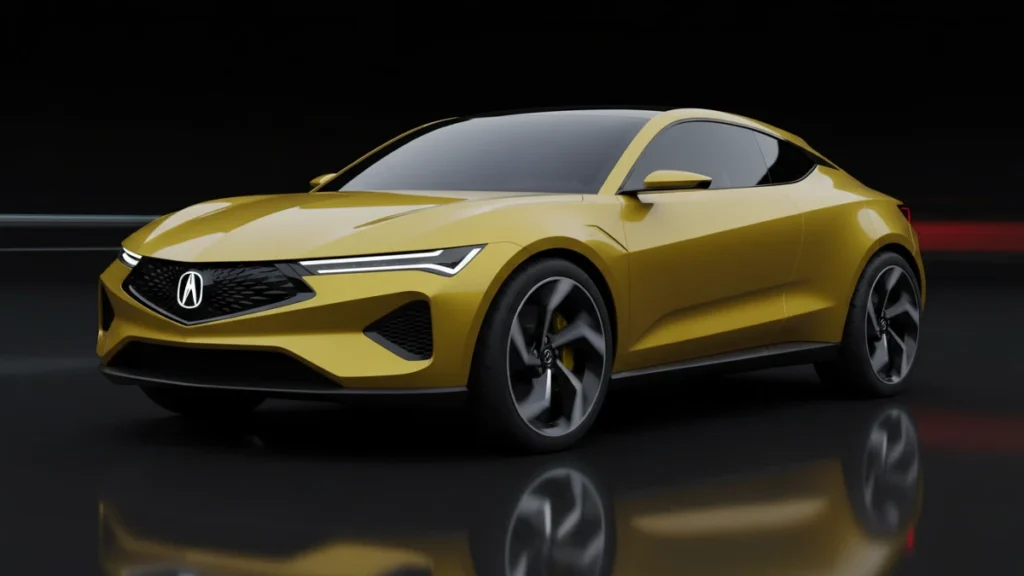
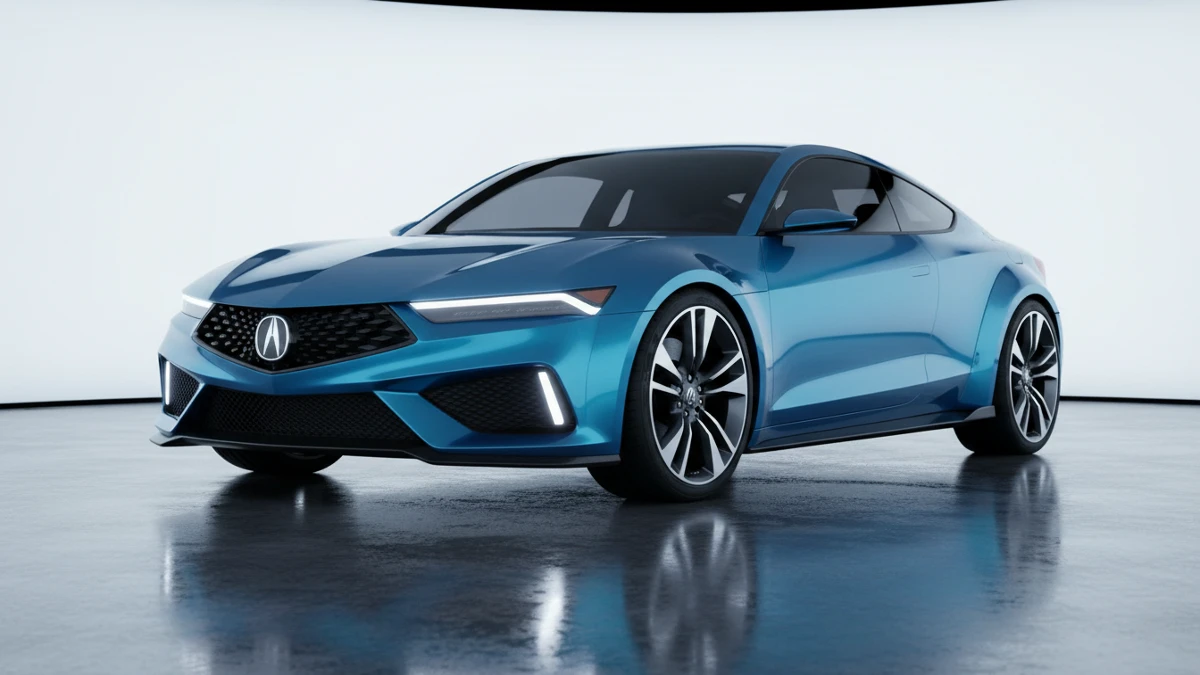
Here’s where things get interesting. Acura just dropped something at the 2025 Monterey Car Week that shifts the entire conversation. They unveiled the Acura RSX Prototype.
Before you scroll away thinking this is about a different car, stick with me. This matters for Integra fans.
The RSX name carries serious weight. For those who remember, the RSX was literally what Acura called the Integra in the early 2000s when the fourth-generation model arrived. It was a sporty coupe with that legendary K20 engine. Now Acura is reviving the badge, but here’s the twist: it’s returning as an electric SUV with a coupe-like silhouette.
Why should Integra buyers care? Because this RSX EV rides on Honda’s brand-new, in-house EV platform. The same architecture will underpin future Acura EVs. And it tells us exactly where the Integra EV fits into the timeline.
They unveiled the Acura RSX Prototype — a preview of the brand’s electric direction. For official updates and announcements, Acura maintains an evolving newsroom and EV overview on its website.
Acura Integra EV Release Date: What’s Real, What’s Not
Let’s talk timing. If you’ve been searching for the Acura Integra EV release date, you’ve probably seen conflicting information. Some outlets throw out guesses. Others conflate concept cars with production models.
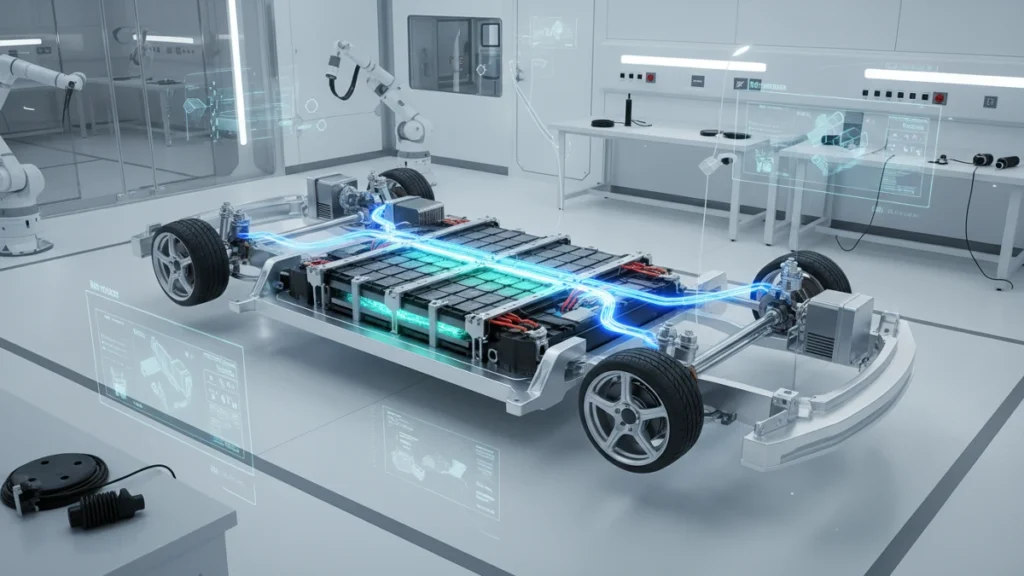
The confirmed news is this: the RSX EV enters production in the second half of 2026 at Honda’s EV Hub in Ohio. That’s the same facility that currently builds the gas-powered Integra. This plant is designed for flexible manufacturing—it can mix internal combustion cars and EVs on the same lines.
So where does that leave the Integra EV?
Acura hasn’t officially confirmed the Integra EV’s production date yet. But based on how automakers stagger releases, we can make an educated guess. The RSX launches late 2026. If Acura follows typical product cadence, an Integra EV would likely arrive as a 2027 or even 2028 model.
Why the gap? Two reasons. First, Acura needs to establish its new EV platform and OS with the RSX. Second, the current Integra just received a mid-cycle update for 2026, with fresh tech and styling. That tells me Acura isn’t rushing to replace it.
My take? Don’t expect the Integra EV in showrooms before late 2027 at the earliest. If you need an EV sooner, the ZDX is available now, or you might consider waiting for the RSX.
The RSX EV: Our Best Preview of What’s Coming
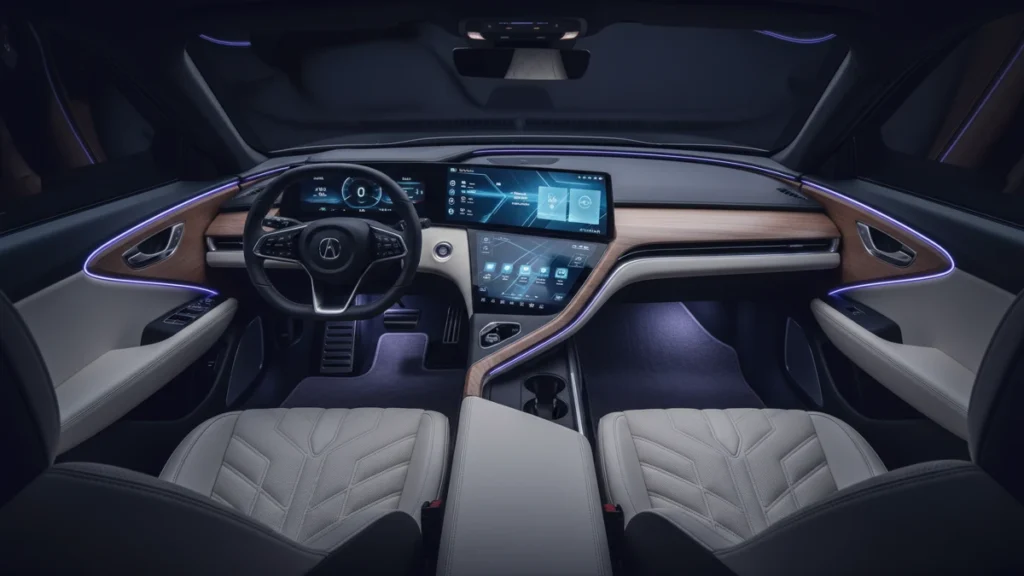
Since the Integra EV remains unconfirmed, the RSX is our clearest window into Acura’s electric future. And honestly? It looks promising.
The RSX Prototype rides on that new Honda-developed EV platform—no more GM collaboration like the ZDX. That’s significant. It means Acura finally controls its own electric destiny. The RSX rides on Honda’s new in-house EV platform, part of a broader electrification strategy outlined in Honda’s technical briefings and production roadmap.
Here’s what we know about the RSX:
- Dual-motor AWD comes standard across all models
- Brembo brakes and sport-tuned double-wishbone front suspension
- ASIMO OS—Honda’s new vehicle operating system that learns your driving habits
- Bidirectional charging capability for powering devices or backing up your home
- 21-inch wheels and that dramatic fastback roofline
The ASIMO OS deserves special mention. Having tested plenty of infotainment systems over the years, most feel tacked on. Honda claims this one uses machine learning to adapt to you. If it works as advertised, it could finally make car software feel personal rather than generic.
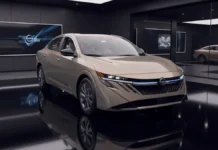
Visually, the RSX Prototype turns heads. That Propulsion Yellow Pearl paint screams performance. The nose evolves Acura’s diamond pentagon grille—even without needing actual cooling, they’ve kept the brand identity intact.
Acura Integra EV Price: Setting Expectations
Let’s talk money. While we don’t have official Acura Integra EV price figures, we can triangulate based on the lineup.
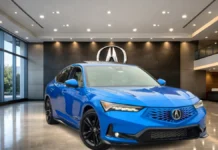
The current gas Integra starts around $33,000 and climbs to about $52,000 for the Type S. The ZDX, Acura’s current EV, starts considerably higher.
The RSX will likely slot between them. Given its standard dual-motor setup and new platform, expect the RSX to start in the mid-$50,000 range. A fully loaded version could touch $65,000 or more.
For the Integra EV, Acura faces a choice. They could position it as the entry-level electric model, potentially starting around $48,000 to $52,000. Or they could go upscale and compete with cars like the BMW i4. My bet? They’ll keep the Integra relatively accessible to draw younger buyers into the brand, then upsell them to RSX or ZDX later.
That’s what I’d do if I were in their product planning meetings. The Integra name carries affordability connotations. Stray too far from that, and loyalists will push back.
The 2026 Tax Credit Reality Check
Here’s something many EV shoppers overlook: the rules just changed — significantly.
If you’re planning to buy any EV in 2026 — including a potential Acura — you need to understand the new landscape. The federal clean vehicle tax credit framework shifted dramatically in mid-2025.
Under the One Big Beautiful Bill Act enacted in July 2025, all clean vehicle tax credits were eliminated for purchases after September 30, 2025. That means new EVs bought after that date no longer qualify for the $7,500 federal tax credit.
However — and this is important — there’s still a path to savings if you’re willing to consider used vehicles.
Starting in 2026, the Used Clean Vehicle Credit becomes more accessible. Buyers can receive up to $4,000 or 30% of the vehicle price (whichever is lower) on qualifying used EVs. The vehicle must be at least two years old, cost $25,000 or less, and be purchased from a licensed dealer.
Income limits apply: $75,000 for single filers and $150,000 for joint filers. Here’s the best part — dealers can now apply the credit at the point of sale, meaning you don’t have to wait until tax season.
What does this mean for Acura shoppers? If you buy a new Integra EV in 2027 or 2028, don’t expect a federal tax credit — that incentive is gone. But if you’re willing to buy a used EV — perhaps a two-year-old ZDX or eventually a used RSX — you could still save thousands.
State-level incentives may still apply, so check your local regulations. Some states offer rebates independent of federal policy.
Tax credit eligibility rules continue to evolve, so buyers should always confirm the latest requirements through official IRS guidance before making a purchase decision.
Acura EV Lineup 2025-2026: Filling Out the Portfolio
The Acura EV lineup 2025-2026 is taking shape faster than many expected.
Right now, the ZDX sits at the top. It’s Acura’s first EV, developed with GM, and available in both standard and Type S trims. It’s a solid effort, but it’s transitional—built on someone else’s architecture.
The RSX arriving late 2026 represents the real beginning of Acura’s electric identity. It’s the first Honda-developed platform, the first with ASIMO OS, and the first built at the Ohio EV Hub. This is the template.
After RSX, expect the Integra EV to follow. Beyond that, Acura will likely electrify the MDX and RDX crossovers. Those are their volume sellers. Don’t be surprised if the TLX sedan eventually goes electric too—though with TLX reportedly being discontinued after 2025, its future is uncertain.
Acura sold about 150,000 vehicles in the US recently. They need EVs to maintain that momentum as electrification accelerates.
Real-World Considerations Before You Buy
Let me offer some practical advice based on years of driving and reviewing EVs.
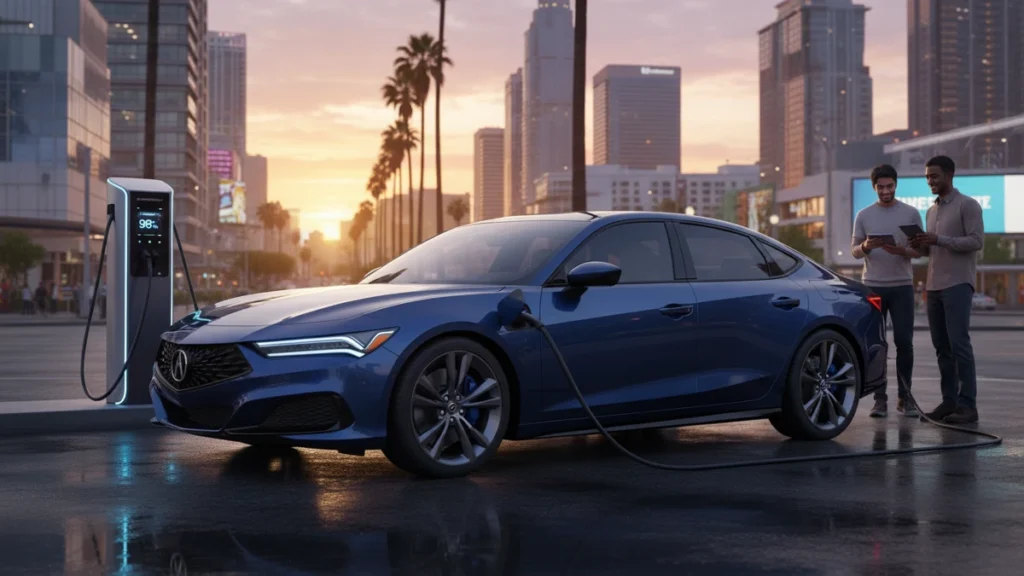
Charging infrastructure matters more than range. Every manufacturer quotes optimistic range figures. What actually matters is whether you can charge conveniently. If you don’t have a home charger, think twice before committing to any EV. Public charging remains spotty in many regions.
First-year growing pains are real. The RSX launches with ASIMO OS and a brand-new platform. Version 1.0 of any technology has bugs. If you value reliability above cutting-edge features, consider waiting a year after launch. Let early adopters find the issues.
Depreciation hits EVs hard. The used EV market offers incredible deals because depreciation curves are steep. If you’re not obsessed with having the latest model, buying a two or three-year-old EV saves serious money—especially with the new used credit.
Resale value uncertainty. With federal credits gone, new EV prices may face downward pressure. That’s good for buyers but bad for resale. Factor that into your financial planning.
Alternatives Worth Considering
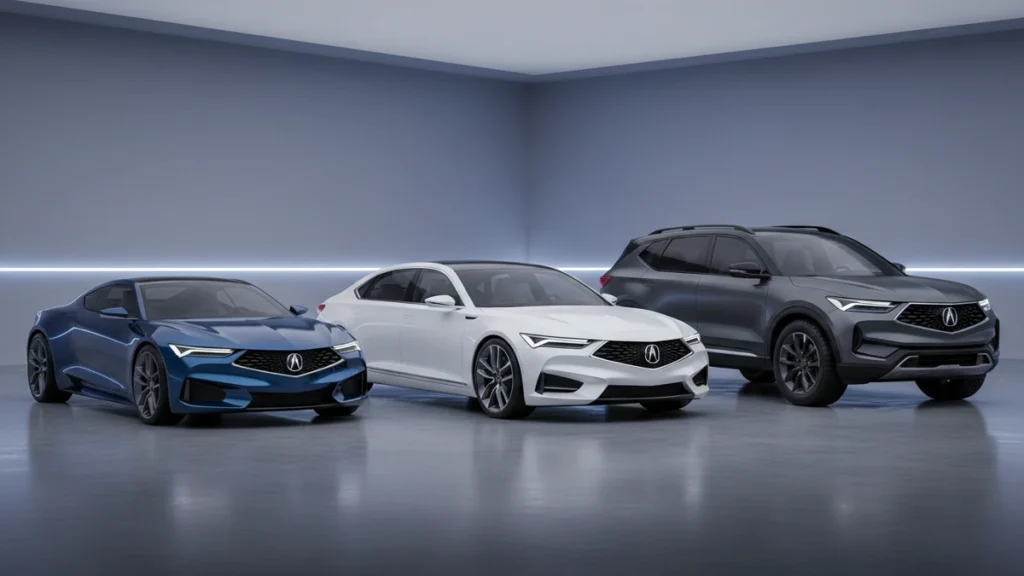
Maybe you can’t wait until 2027 or 2028 for the Integra EV. What else should you consider?
Tesla Model 3 remains the benchmark. The Highland refresh improved ride quality and interior materials. Supercharger access is a genuine advantage.
BMW i4 drives like a real BMW. If handling matters to you, test this one. It’s more expensive but feels premium.
Hyundai Ioniq 6 offers sleek styling and rapid charging. Hyundai’s EVs have impressed me consistently.
Acura ZDX is available now if you want to stay in the family. It’s larger and more expensive than the Integra EV will be, but it’s on dealer lots today.
Used Integra Type S—hear me out. If you love the Integra name and want performance, the current gas Type S is phenomenal. It holds value well and delivers driving joy that some EVs lack. Sometimes the right car isn’t electric.
Final Thoughts: Patience Pays
The Acura Integra EV is coming, but not as quickly as some hoped. The RSX arrives late 2026. The Integra EV likely follows a year or two later.
Pricing should start around $50,000, though inflation and feature content could push it higher. Federal tax credits for new EVs are gone, but used EV credits offer an alternative path to savings.
Acura’s electric future looks genuinely exciting. The RSX prototype shows they’re taking design and performance seriously. The ASIMO OS could finally fix the software problems that plague many EVs. And building in Ohio means supply chain stability that competitors envy.
If you’re shopping for an EV today, consider the alternatives. If your heart is set on an Integra EV, set a reminder for late 2026 and start watching for official announcements. The wait will be worth it—assuming Acura delivers on the promise of that stunning prototype.
I’ll be first in line to drive it when it arrives. And when I do, I’ll tell you exactly how it measures up. No corporate spin. Just honest impressions from someone who’s been doing this long enough to know the difference between hype and reality.
Acura Integra EV Release Date — FAQs
Acura has confirmed a 2025 launch window for the Integra EV in the U.S.; individual trim availability will continue rolling out through 2025 and into early 2026.
No. A phased rollout is expected: core trims at initial launch (late 2025), followed by performance- or range-focused variants throughout 2026.
Official pricing has not yet been fully announced. Industry estimates suggest base models will start in the low-to-mid $40,000s, with higher trims and tech/performance packages pushing into the $50,000s and above.
he Integra EV will serve as a key compact/hatchback offering alongside larger Acura EVs planned for 2025–2026, helping expand Acura’s accessible electric portfolio.
Tax credit eligibility in 2026 will depend on final assembly location, battery sourcing, and applicable IRS rules at that time. Prospective buyers should verify tax credit eligibility for 2026 at the time of purchase.
Acura has not released final specifications. However, buyers can expect multiple battery and power configurations, with EPA-estimated ranges likely falling in the 200–300+ mile range for higher trims, based on current segment trends.
Detailed specifications and final pricing typically become available 1–3 months before U.S. deliveries begin. Monitor announcements from late 2024 through mid-2025 for confirmed details.
Acura may open reservations closer to the official pricing and specification announcements. Interested buyers should sign up for updates on Acura’s website or through local dealerships.
For authoritative updates, follow Acura press releases, reputable automotive media outlets, and dealership communications. Additionally, consult official IRS guidance for final tax credit eligibility details.