







Contents
- Overview
- What Is the Premium Platform Electric (PPE)?
- Understanding 800V Architecture
- Performance Engineering — How PPE Translates to Driving Dynamics
- Thermal Management — The Hidden Performance Multiplier
- Comparing PPE to Audi’s Legacy Combustion Platforms
- How PPE Positions the A6 e-tron Against German Rivals
- Scalability and Future-Proof Engineering
- Ownership Impact — What 800V Means in Daily Use
- The Bigger Picture — PPE as Audi’s Long-Term Electric Strategy
- Final Thought
Overview
For years, most electric vehicles were essentially conversions—gasoline platforms reengineered to accept batteries and motors. It worked, but it was never ideal. Floor tunnels, compromised proportions, uneven weight distribution—those were the tradeoffs of adapting internal combustion architecture to an electric future.
That transitional era is now over.
With the 2027 Audi A6 Sportback e-tron, Audi moves fully into purpose-built territory through its Premium Platform Electric (PPE). This is not a modified sedan with batteries tucked underneath; it’s a clean-sheet EV architecture engineered around performance, efficiency, and long-term scalability. At the center of it all sits an advanced 800-volt electrical system—the true enabler of faster charging, improved thermal stability, sharper driving dynamics, and measurable ownership advantages.
In this deep dive, we’ll break down exactly how the Audi PPE platform 800V architecture benefits translate into real-world gains for American drivers. For complete specs, trims, and release timing, see our full guide: 2027 Audi A6 Sportback e-tron: Range, Specs, and US Release Date.
What Is the Premium Platform Electric (PPE)?
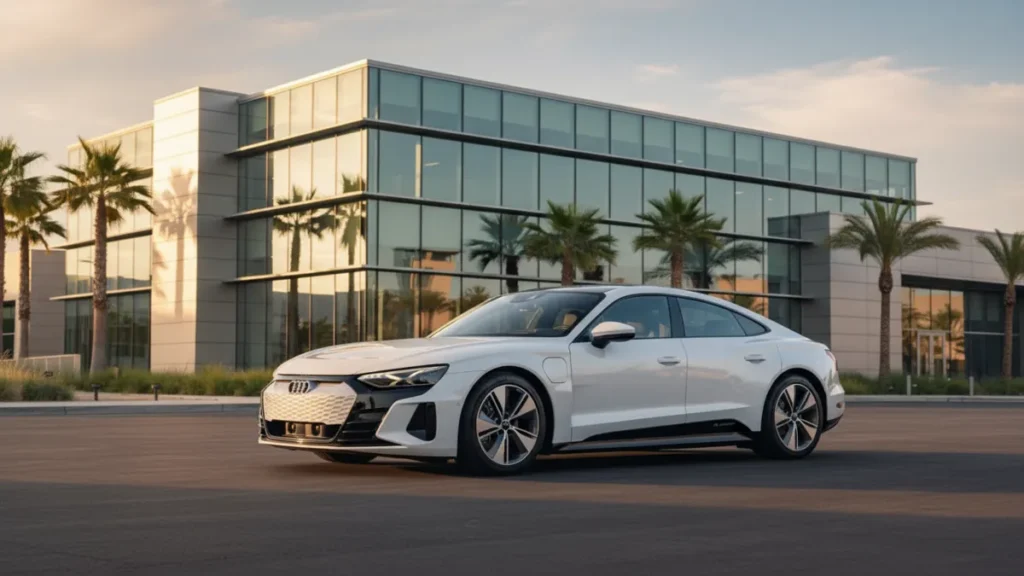
A Clean-Sheet EV Architecture
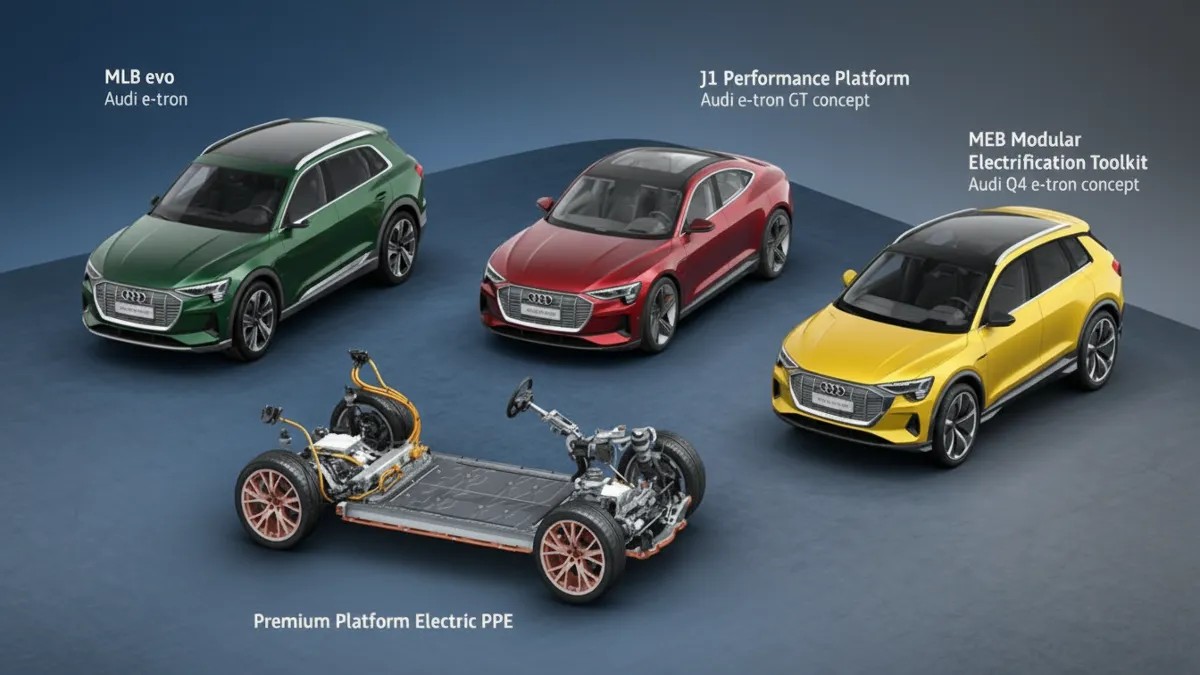
The Premium Platform Electric is the result of a joint development effort between Audi and Porsche. While collaboration across the Volkswagen Group is nothing new, PPE represents something more deliberate: a dedicated EV architecture designed from the ground up for premium electric vehicles.
Unlike earlier Audi EVs that shared elements with combustion-era platforms, PPE was engineered exclusively for battery-electric propulsion. There’s no driveshaft tunnel to work around. No compromise between exhaust routing and battery packaging. Every structural component—from the floor pan to the subframes—was designed with high-voltage components in mind.
The platform is also modular. It can underpin sedans, Sportbacks, crossovers, and SUVs with varying wheelbases and motor configurations. That flexibility allows Audi to scale PPE across multiple segments without diluting its engineering integrity.
Why PPE Matters for the A6 e-tron
For the A6 e-tron specifically, PPE enables several structural advantages that would have been difficult—or impossible—on legacy MLB-based combustion platforms.
First, battery placement. The lithium-ion pack sits flat within the wheelbase, integrated into the floor structure. That positioning lowers the center of gravity significantly compared to a traditional gasoline A6. The result is not just better balance, but improved cornering stability and reduced pitch under braking.
Second, rigidity. PPE’s skateboard layout contributes to torsional stiffness improvements over prior A6 generations. A stiffer structure enhances ride refinement, steering precision, and crash performance—all without adding unnecessary mass.
Third, packaging efficiency. Because the platform was designed around electric propulsion, designers can push the wheels closer to the corners. The A6 e-tron benefits from a longer wheelbase and shorter overhangs, translating into increased interior space while maintaining executive-sedan proportions.
This isn’t theoretical engineering. These structural decisions directly influence how the car charges, handles, and performs on American highways.
Understanding 800V Architecture
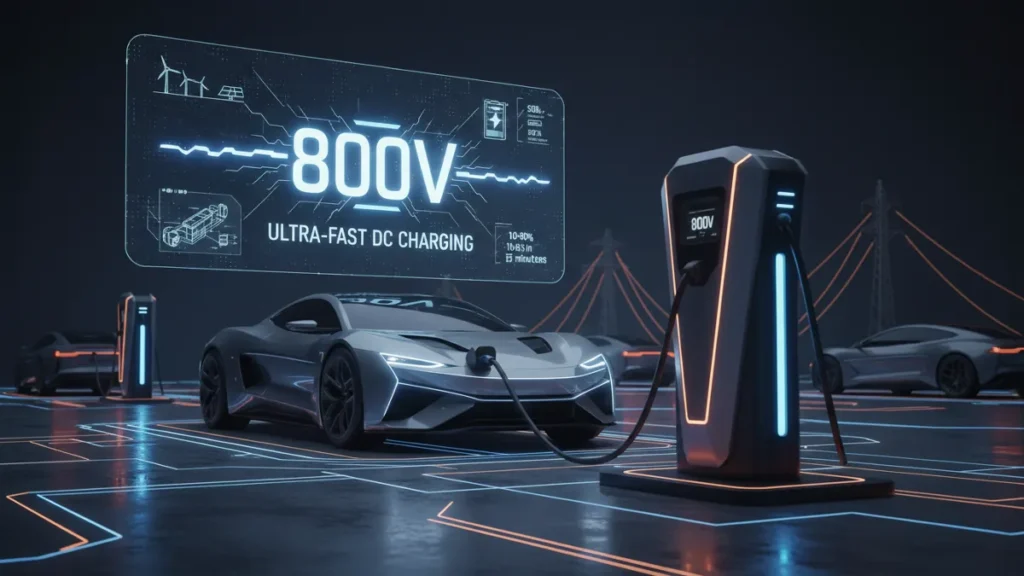
400V vs 800V Systems Explained
Most early EVs operated on 400-volt electrical systems. That standard worked, but it required higher electrical current to deliver substantial power. Higher current generates more heat, and more heat demands more cooling. It’s a cycle of inefficiency.
An 800-volt system, like the one used in the A6 e-tron, doubles the voltage while reducing current for the same power output. Lower current means reduced resistive losses and less thermal buildup in cables and components.
There’s another subtle benefit: thinner cabling. Reduced current allows engineers to use lighter wiring, trimming weight and improving overall efficiency. It may sound minor, but in EV engineering, incremental gains compound quickly.
Real-World Charging Benefits
For American drivers, the most tangible benefit of an 800V system is charging speed.
Higher voltage enables ultra-fast DC charging capability at compatible high-power stations. Under optimal conditions, the A6 e-tron can recover substantial range in the time it takes to grab coffee. More importantly, 800V systems tend to maintain higher charging rates deeper into the session. Instead of peaking briefly and tapering aggressively, the charging curve remains more stable. The U.S. Department of Energy explains how higher voltage systems reduce current load and thermal stress during DC fast charging.
That consistency matters on road trips. Charging from 10 to 80 percent becomes more predictable, reducing downtime and minimizing range anxiety—particularly across long interstate corridors.
In practical terms, the Audi PPE platform 800V architecture benefits aren’t about headline numbers alone. They’re about usable speed.
Efficiency and Energy Flow Optimization
Beyond charging, 800V architecture improves overall drivetrain efficiency.
Lower resistance losses mean more of the battery’s stored energy reaches the motors. Advanced inverters operate more efficiently at higher voltages, reducing waste heat. The system also integrates seamlessly with regenerative braking strategies, allowing smoother energy recapture without abrupt transitions.
On a long highway drive, that efficiency translates into more consistent range. Around town, it improves stop-and-go regeneration feel. Over years of ownership, it contributes to lower energy costs.
Performance Engineering — How PPE Translates to Driving Dynamics
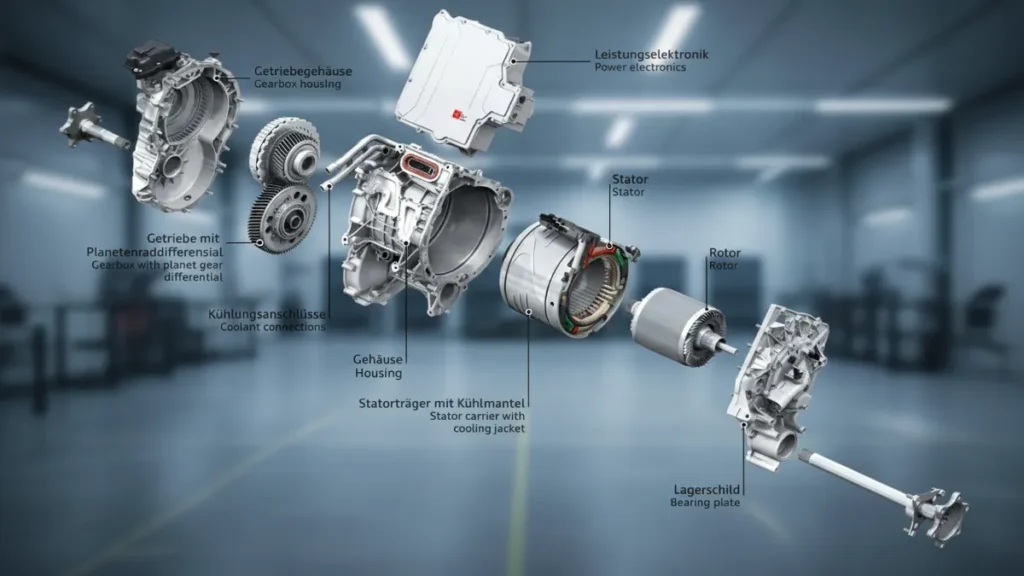
Motor Configuration and Power Delivery
PPE supports multiple motor layouts, but the A6 e-tron emphasizes a rear-biased philosophy—even in dual-motor configurations.
In single-motor variants, the rear axle handles propulsion, delivering balanced handling characteristics reminiscent of traditional sport sedans. In dual-motor models, Audi’s quattro system adds a front motor for traction and performance, without compromising agility.
Because electric motors deliver peak torque instantly, the system can adjust torque distribution in milliseconds. Torque vectoring happens almost invisibly, enhancing corner exit stability and wet-weather confidence.
Acceleration and Responsiveness
Electric acceleration differs fundamentally from turbocharged combustion engines. There’s no boost lag. No gear hunting. Just immediate, linear thrust.
The stability of the 800V electrical system supports sustained high-output performance without rapid heat saturation. Launch control systems can deploy full torque repeatedly with reduced risk of thermal limitation compared to earlier EV architectures.
The result is acceleration that feels controlled rather than explosive—refined, repeatable, and executive in character.
Weight Distribution and Chassis Balance
Battery placement inside the wheelbase is one of PPE’s defining strengths. With mass centralized and mounted low, the A6 e-tron approaches near 50:50 weight distribution.
Compared to legacy A6 combustion models, body roll is reduced. The lower center of gravity improves turn-in response, while the rigid platform enhances suspension tuning precision.
On winding roads, the sedan feels planted. On highways, it tracks confidently at speed. The difference isn’t just the absence of an engine—it’s the integration of structure, electronics, and high-voltage efficiency into one cohesive system.
Thermal Management — The Hidden Performance Multiplier
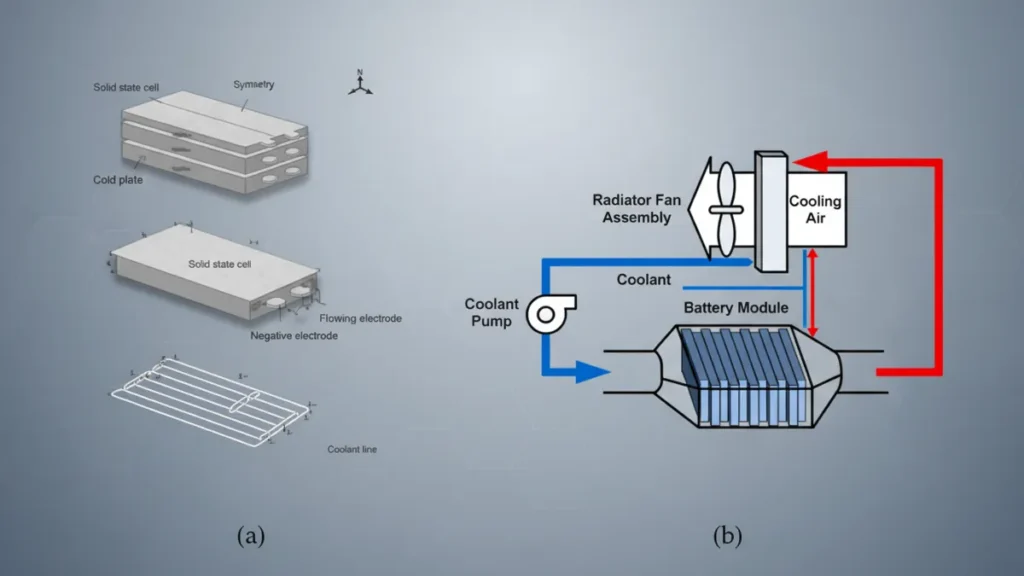
When discussing Audi PPE platform 800V architecture benefits, charging speed usually dominates the conversation. But voltage alone doesn’t guarantee repeatable performance. What separates a well-engineered EV from a spec-sheet standout is thermal control. In the 2027 Audi A6 Sportback e-tron, thermal management isn’t an afterthought—it’s foundational to how the platform sustains power, protects battery longevity, and delivers consistent performance across climates.
Heat is the invisible limiter in any high-performance EV. Manage it correctly, and you unlock durability and efficiency. Ignore it, and performance tapers quickly under load.
Advanced Cooling Circuit Architecture
Dedicated Battery Cooling Loop:
The PPE architecture incorporates a dedicated liquid-cooling loop for the high-voltage battery. This is more sophisticated than a shared system adapted from combustion-era thinking. The battery pack uses strategically placed cooling channels between modules, allowing precise temperature regulation at the cell level.
Why does that matter? Because lithium-ion batteries operate most efficiently within a narrow temperature window. Too cold, and output drops. Too hot, and long-term degradation accelerates. PPE’s thermal mapping constantly monitors and adjusts coolant flow to maintain optimal operating conditions.
This level of thermal precision supports both high-speed charging and sustained highway cruising without triggering aggressive power reduction.
Motor and Inverter Thermal Separation:
In traditional ICE vehicles, engine heat permeates the entire powertrain bay. PPE flips that logic. The electric motors and inverters operate within their own thermally managed zones, separated from the battery’s cooling circuit.
This separation improves efficiency and prevents heat stacking during spirited driving. If the rear motor is working hard on a mountain pass or during rapid acceleration, its heat load doesn’t directly compromise battery temperature stability.
For American drivers who experience diverse conditions—from Arizona heat to Midwest winters—that layered cooling architecture ensures consistent behavior across environments.
Charging Stability Under Load
Sustained High-Speed Charging Sessions
High-voltage architecture enables rapid DC fast charging—but only if thermal systems can sustain it. PPE’s cooling design allows the A6 e-tron to maintain higher charging rates deeper into the session, rather than peaking briefly and tapering sharply.
In real-world terms, that means more usable range recovered during a 20-minute highway stop. It also means less time waiting for thermal conditions to normalize before charging resumes at higher power levels.
The system can even precondition the battery before arrival at a fast-charging station, optimizing internal temperature for maximum intake speed.
Heat Mitigation During Aggressive Driving
Repeated hard acceleration generates significant heat in motors and inverters. Without proper thermal headroom, performance can become inconsistent.
PPE’s architecture is designed to delay that onset. Separate cooling circuits, efficient heat exchangers, and intelligent software management allow the system to sustain performance longer before limiting output.
For drivers who expect executive-sedan composure combined with athletic responsiveness, this matters. Performance isn’t just about peak numbers—it’s about repeatability.
Climate Efficiency Improvements
Heat Pump Integration
Cold weather remains one of the biggest range challenges for EV owners in northern states. PPE integrates a high-efficiency heat pump system that reclaims waste heat from drivetrain components and redistributes it to warm the cabin and battery.
Instead of relying solely on resistive heating—which consumes significant energy—the system intelligently harvests and reallocates thermal energy. That approach reduces the energy draw required for cabin comfort.
Reduced Winter Range Degradation
Battery chemistry is sensitive to low temperatures. PPE’s preconditioning strategies, combined with active thermal regulation, help minimize winter range loss compared to earlier EV architectures.
For American buyers in colder regions, this translates into more predictable daily driving range and fewer surprises during sub-freezing commutes.
In practical terms, thermal engineering is what allows the platform’s 800V potential to function reliably—not just impressively.
Comparing PPE to Audi’s Legacy Combustion Platforms
Audi’s previous executive sedans rode on the MLB architecture, a versatile but combustion-centric platform. It was refined, capable, and structurally sound—but fundamentally constrained by the needs of an internal combustion engine.
PPE marks a structural reset.
Structural Evolution from MLB to PPE
ICE Packaging Compromises
On MLB-based models, engineers had to account for engine placement, transmission housing, exhaust routing, and fuel tank positioning. Even hybrid adaptations required compromises.
PPE eliminates those constraints entirely. There’s no need for an engine bay sized for a V6. No space reserved for a longitudinal driveshaft connecting front and rear axles.
The result is architectural freedom.
Driveshaft Tunnel Elimination
One of the most noticeable changes inside the A6 e-tron is the absence of a central driveshaft tunnel. That structural feature—necessary in traditional all-wheel-drive sedans—disappears in a skateboard-style EV platform.
The flat floor improves rear passenger comfort and enhances perceived spaciousness. It also simplifies interior design, allowing a more open center console layout.
Increased Cabin and Cargo Space
With wheels pushed outward and mechanical complexity reduced, PPE allows for better packaging efficiency. The longer wheelbase translates into improved legroom without expanding overall vehicle length excessively.
Cargo capacity also benefits from the absence of bulky drivetrain components. While the A6 e-tron remains a sleek executive sedan, it leverages its EV architecture to maximize interior usability.
NVH (Noise, Vibration, Harshness) Gains
Electric Silence Advantages
Electric propulsion naturally eliminates engine noise, but PPE goes further. Without combustion-related vibration and mechanical oscillation from a multi-speed transmission, the cabin environment becomes inherently calmer.
Engineers can then focus on aerodynamic refinement and road-noise insulation rather than masking engine harmonics.
Reduced Drivetrain Vibration
The rigidity of the PPE structure contributes to improved vibration isolation. Electric motors produce smoother rotational forces compared to piston engines, and the absence of gear shifts eliminates torque interruption.
The driving experience feels more linear, more refined—closer to a luxury EV benchmark than a modified gasoline sedan.
Maintenance and Long-Term Reliability
Fewer Moving Parts
Internal combustion engines rely on hundreds of moving components: pistons, camshafts, valves, fuel injectors, turbochargers. Electric drivetrains simplify that dramatically.
The PPE platform’s dual-motor setup contains significantly fewer wear components, reducing potential failure points over time.
Reduced Mechanical Complexity
There’s no oil system for the engine. No exhaust system. No transmission with multiple gears. Routine maintenance shifts from mechanical upkeep to software optimization and periodic inspections.
Over a typical ownership cycle, that mechanical simplicity can translate into lower long-term service requirements.
How PPE Positions the A6 e-tron Against German Rivals
In the premium executive EV segment, platform architecture is the defining differentiator. Not all competitors operate on 800V systems. Some continue to rely on 400V architectures that, while capable, often require higher current and heavier thermal management to achieve similar performance metrics.
PPE’s 800V system gives the A6 e-tron a charging-speed advantage at compatible high-power stations, particularly during sustained 10–80% sessions. That consistency matters more than peak numbers.
Efficiency benchmarks also benefit. Lower electrical resistance and advanced inverter technology contribute to competitive real-world range figures within the executive sedan category.
Strategically, PPE is more than a one-off solution. It serves as a scalable foundation for future premium electric models from Audi. That long-term adaptability positions the A6 e-tron not just as a transitional EV, but as a cornerstone in Audi’s next-generation lineup.
In a segment defined by technological evolution, architecture determines longevity. PPE signals that Audi is engineering not just for today’s range and charging expectations—but for the demands of the next decade.
Scalability and Future-Proof Engineering
One of the quiet strengths of the Audi PPE platform isn’t just how it performs today—it’s how deliberately it’s engineered for tomorrow. In a market where battery chemistry, charging infrastructure, and software expectations are evolving rapidly, long-term adaptability matters as much as horsepower or range.
Software-Defined Architecture
Modern premium EVs are no longer static machines. They’re software-driven ecosystems.
PPE was designed as a software-defined architecture from the outset. That means core vehicle functions—from energy management to driver-assistance calibration—can be refined over time through over-the-air updates. Instead of locking performance characteristics at delivery, Audi can optimize charging curves, thermal strategies, and even drivetrain responsiveness remotely.
Battery management system (BMS) adaptability is especially important. As cell chemistry evolves or charging networks expand, the BMS can be recalibrated to improve efficiency, adjust thermal thresholds, or enhance long-term durability. That flexibility extends usable life and helps prevent the platform from feeling outdated five years into ownership.
For American buyers who tend to keep executive sedans longer than leases suggest, that’s a meaningful advantage.
Next-Generation Battery Compatibility
Higher Energy Density Cell Readiness
Battery technology is improving incrementally but consistently. PPE was engineered with modularity in mind, allowing it to accommodate future higher energy-density cells without requiring a complete structural redesign.
In practical terms, that opens the door to extended range variants down the line. As packaging improves and weight decreases, the same footprint can potentially deliver more usable miles.
Audi isn’t simply designing for today’s chemistry—it’s leaving room for tomorrow’s.
Potential for Performance Variants
Scalability also applies to performance. The platform can support dual-motor and potentially higher-output configurations without structural compromise. The 800V system provides the electrical backbone necessary for increased power delivery while maintaining thermal stability.
For enthusiasts watching the premium EV segment evolve, PPE’s headroom suggests that more aggressive variants aren’t just possible—they’re structurally supported.
Residual Value and Platform Longevity
Dedicated EV platforms tend to retain value better than transitional architectures for one simple reason: they age more gracefully.
Vehicles built on adapted combustion platforms often reveal their compromises over time—limited charging capability, thermal inefficiencies, packaging constraints. By contrast, PPE was purpose-built for electric propulsion.
Buyers and secondary-market shoppers increasingly understand the difference. A clean-sheet EV architecture signals engineering depth, long-term parts support, and software evolution potential. Those factors influence depreciation curves more than many consumers realize.
In that sense, PPE isn’t just about performance—it’s about asset resilience.
Ownership Impact — What 800V Means in Daily Use
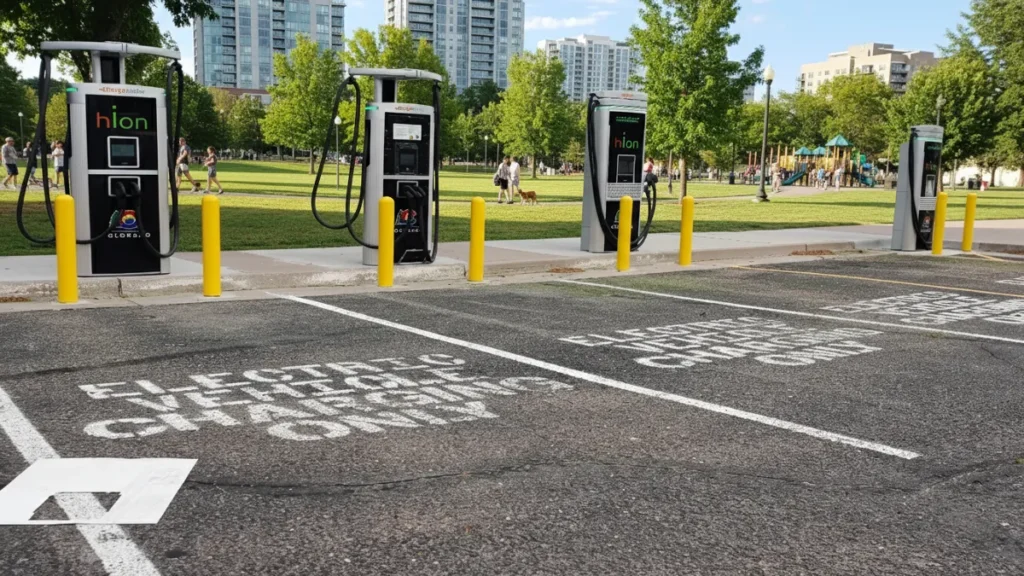
Spec sheets are one thing. Ownership reality is another. The 800V architecture in the 2027 Audi A6 Sportback e-tron shows its value not just at launch events, but on road trips, commutes, and winter mornings.
Faster Road Trip Charging
Reduced Downtime
High-voltage charging capability shortens highway stops when paired with compatible high-power DC stations. Instead of planning around extended breaks, drivers can align charging with natural pauses—coffee, restrooms, quick meals.
That subtle shift changes the psychology of EV ownership. The vehicle adapts to the trip rather than dictating it.
More Efficient Highway Travel Cycles
Because 800V systems sustain higher charging rates deeper into the session, it often makes sense to perform shorter, strategic stops rather than waiting for a slow final 10–20 percent.
On long interstate drives across Texas, California, or the Midwest, that efficiency adds up. Travel becomes smoother, less fragmented.
Lower Energy Consumption
Real-World Efficiency Implications
Higher voltage reduces electrical resistance losses. Combined with optimized inverters and thermal control, the drivetrain converts stored energy into forward motion more efficiently.
On daily commutes, that can mean slightly lower kilowatt-hour consumption per mile. Over tens of thousands of miles, those incremental savings compound.
Improved Cost-Per-Mile Metrics
Electricity costs vary across U.S. regions, but improved efficiency translates directly into lower operating expenses. Even small percentage gains reduce annual energy costs compared to less efficient architectures.
When evaluating total cost of ownership, those differences become tangible—especially as fuel prices fluctuate.
Infrastructure Compatibility in the U.S.
High-Power DC Fast Charging Expansion
The U.S. charging landscape continues to expand, with more high-power stations capable of supporting 800V systems. As infrastructure improves along major travel corridors, vehicles equipped for higher voltage are better positioned to capitalize on those upgrades.
Owning an 800V EV in 2026 and beyond isn’t premature—it’s forward-aligned.
Network Compatibility Considerations
While not every charger currently operates at peak 800V capacity, the system remains backward compatible with lower-voltage infrastructure. That flexibility ensures usability nationwide, even in regions still expanding their networks. Charging standards developed by SAE International continue to define interoperability requirements across U.S. high-power DC networks.
In other words, drivers gain future readiness without sacrificing present-day practicality.
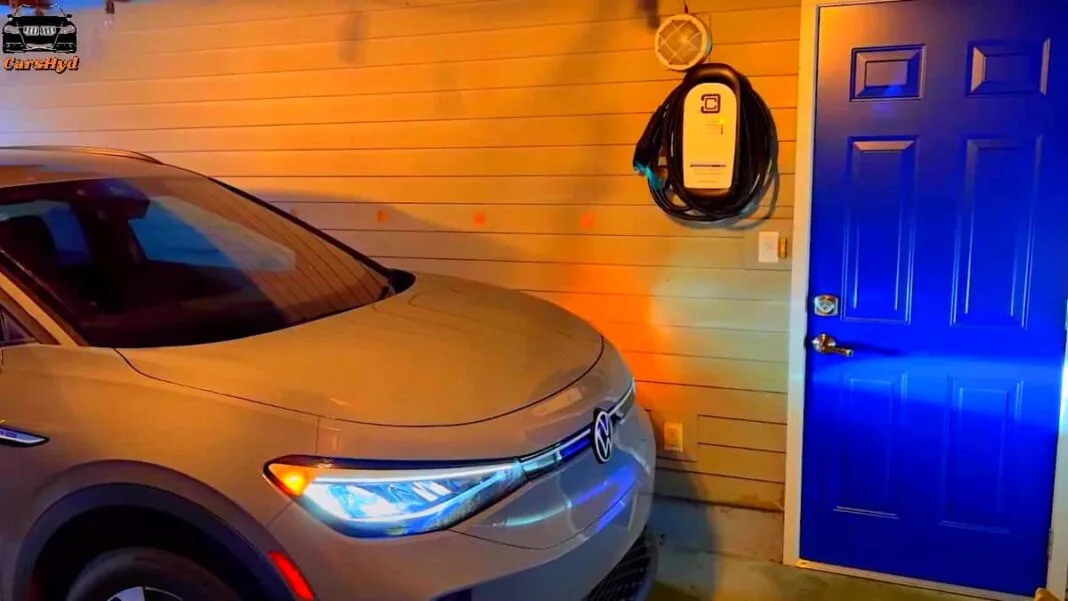
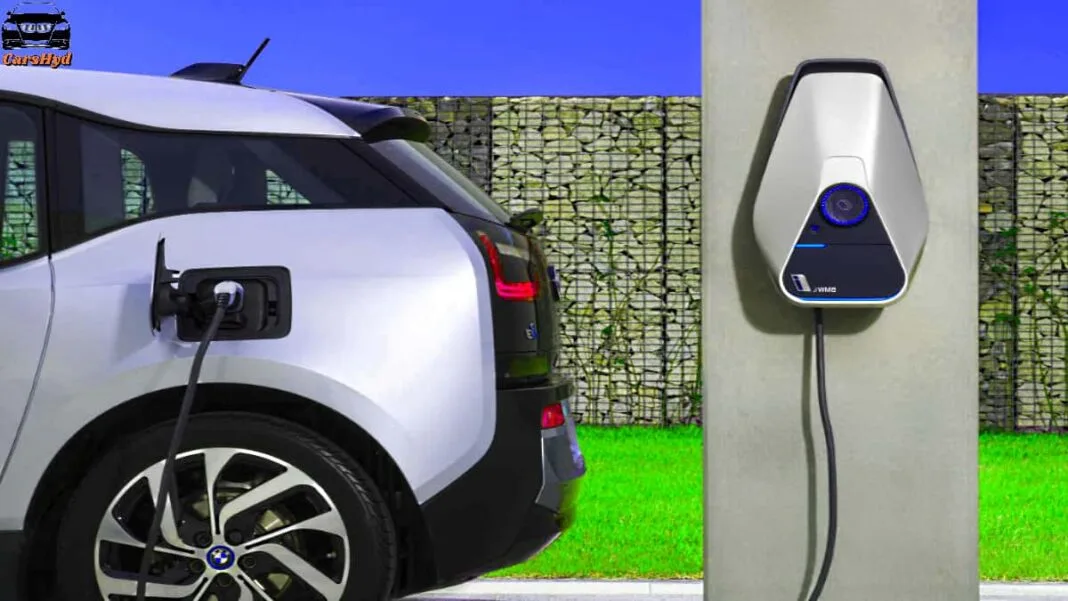
The Bigger Picture — PPE as Audi’s Long-Term Electric Strategy
The PPE platform underpins more than a single sedan. It represents a foundational investment by Audi in scalable premium electrification. According to Audi’s official technical brief published via the Audi MediaCenter, the PPE platform was engineered from day one as a dedicated premium EV architecture rather than a converted combustion structure.
Rather than scattering development across multiple transitional architectures, Audi is consolidating its executive EV strategy around PPE. That coherence allows engineering resources to focus on refinement rather than reinvention.
The move aligns with Audi’s broader electrification roadmap—one centered on software integration, high-voltage efficiency, and premium driving dynamics. Within the executive EV segment, 800V architecture is rapidly becoming the benchmark rather than the exception.
For American buyers evaluating long-term value, that matters. Platforms define product cycles. And PPE signals that Audi is thinking in decades, not model years.
Final Thought
The Audi PPE platform 800V architecture benefits extend well beyond faster charging headlines. They shape how the vehicle is structured, how it manages heat, how it delivers power, and how it holds value over time.
From its purpose-built chassis to its advanced thermal management and software-defined adaptability, PPE represents a decisive shift away from compromise. It integrates structural rigidity, high-voltage efficiency, and scalable engineering into a cohesive foundation for the executive EV era.
For drivers, that translates into quicker road trips, lower operating costs, improved balance on the road, and confidence that the vehicle won’t feel technologically outdated in a few years.
PPE isn’t just a feature—it’s a framework. And it’s redefining what an electric executive sedan should be.
→ Explore full range estimates, trims, and release timing in our in-depth guide: 2027 Audi A6 Sportback e-tron: Range, Specs, and US Release Date