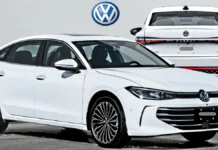


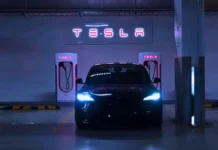

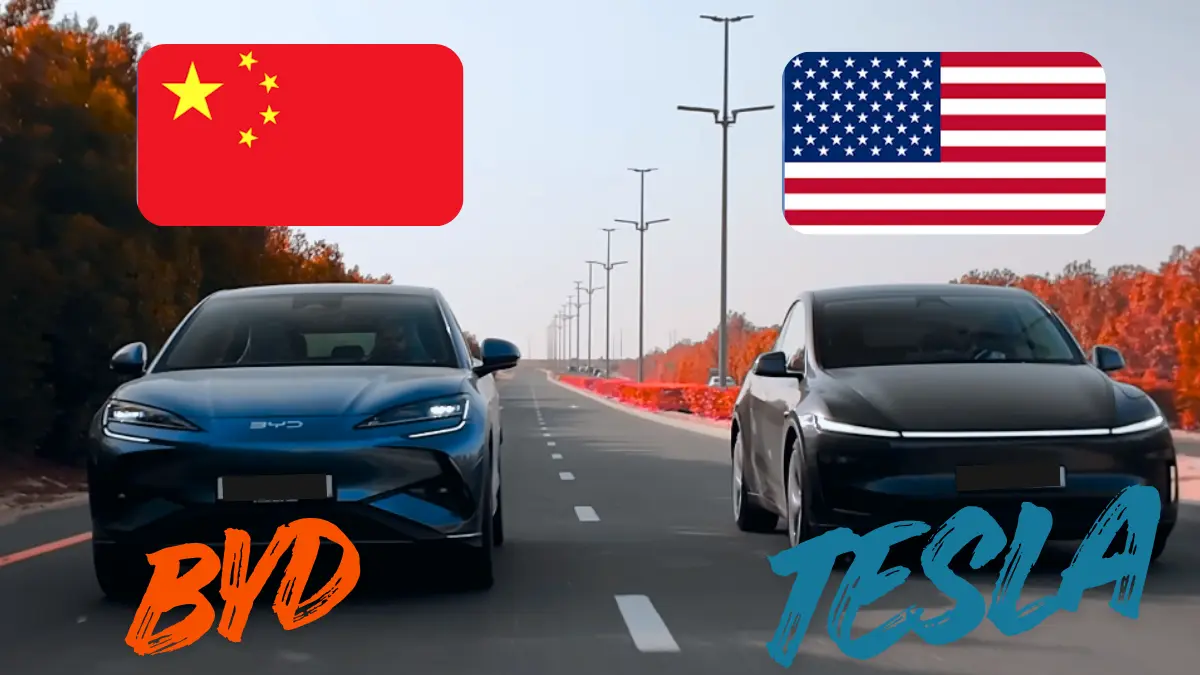
When U.S. buyers ask, “Is BYD better than Tesla?”, they mean more than just brand names. They mean reliability, cost, tech, real-world performance, resale value, and future proofing. In the U.S. market, the battle between BYD (Chinese EV manufacturer) and Tesla (U.S. EV manufacturer) is intensifying. This article explores how they compare—and whether BYD really trumps Tesla for U.S. buyers.
Contents
- Market Position & Sales Trends
- Product Portfolio & Model Mix
- Technology & Battery Innovation
- Reliability, Quality & Safety
- Cost, Value & U.S. Buyer Considerations
- SWOT Summary: BYD vs Tesla
- Final Verdict: Is BYD Better Than Tesla?
- What U.S. Buyers Should Do
- Model-by-Model Comparison: Tesla Model 3 vs BYD Sea
- Final Thought
- FAQs
Market Position & Sales Trends
Understanding “better” begins with scale and momentum.
- In 2024, Tesla delivered about 1.79 million BEVs globally.
- In the same year, BYD delivered around 1.76 million BEVs but sold many more vehicles overall when plug-in hybrids (PHEVs) are included.
- For the first three quarters of 2025, BYD’s pure-electric vehicle sales reached about 1.605 million units compared to Tesla’s ~1.218 million units—a lead of roughly 388,000 vehicles.
- Global research firm Counterpoint Research forecasts BYD to end 2025 as the global BEV market leader with about 15.7 % market share.
What this means for U.S. buyers: While Tesla still dominates the U.S. and global EV narrative, BYD’s rapid growth and broad product mix signal it is a serious contender. If you’re asking “Is BYD better than Tesla?” you should factor in the brand momentum.
Product Portfolio & Model Mix
A brand is only as good as its cars.
Tesla highlights:
- Focuses purely on battery-electric vehicles (BEVs).
- Popular models: Tesla Model 3, Model Y, upcoming next-gen models.
- Strong brand name in U.S., with broad charging infrastructure via its Supercharger network.
BYD highlights:
- Offers both BEVs and PHEVs. This gives flexibility.
- Example: BYD Seal (also known as “SEAL”) uses the company’s Blade Battery (LFP-based) for improved safety.
- Price-competitive models. According to analysts, BYD builds more affordable EVs than many of its rivals. Nasdaq
Implication for comparison:
The breadth of BYD’s model range gives it an edge in offering more price points and tech options. If you want “which electric-car brand is better?” this is relevant.
Technology & Battery Innovation
Tech and batteries are central to EV reliability and future value.
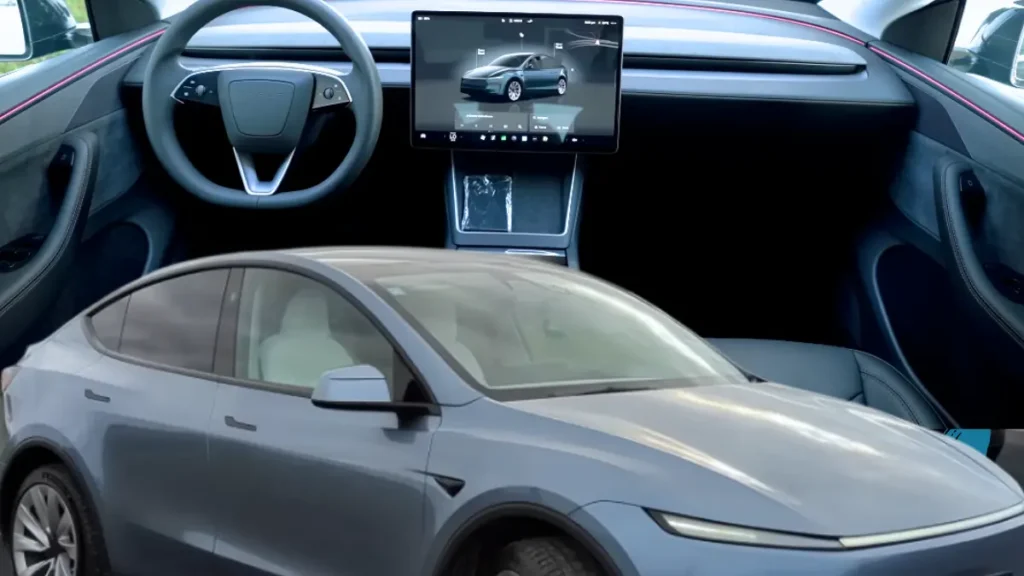
Tesla’s strong points:
- Extensive Supercharger network in U.S., strong brand recognition.
- Advanced driver assistance tech via its Full Self Driving (FSD) software suite (still controversial and under regulation).
- High-performance models and strong resale value in many markets.
BYD’s innovation angle:
- The Blade Battery (LFP chemistry) offers improved thermal safety and durability.
- BYD’s fast-charging tech: according to Counterpoint, BYD’s system can deliver around 400 km of range in just 5 minutes (on the right infrastructure), compared to Tesla’s ~275 km in 10 minutes.
- Vertical integration: BYD controls key elements of its supply chain (batteries, modules, vehicle assembly) which can improve reliability and cost control.
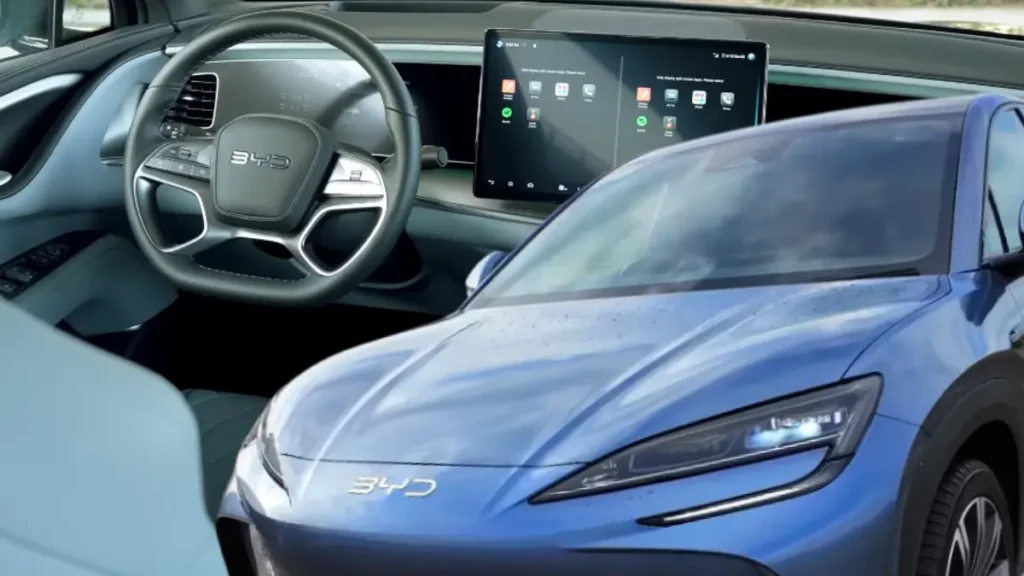
Takeaway: While Tesla remains a strong technology brand, BYD is closing gaps (and in some cases leap-frogging) in battery and charging innovation. For U.S. buyers wanting high tech and solid value, BYD’s strides matter in the “BYD vs Tesla electric cars” comparison.
Reliability, Quality & Safety
This is a key concern when you ask “Is BYD better than Tesla?”
Reliability factors to consider:
- Battery degradation over time.
- Software updates and comfort features.
- Service network and parts availability.
- Safety ratings (e.g., by NHTSA in U.S.).
- Real-world feedback from owners.
Tesla:
- Has a large service network in the U.S. and known brand reputation.
- Some reliability concerns around early models, software bugs, and hardware issues (documented by consumer reports and forums).
- With FSD and other advanced tech, complexity increases risk of software-related issues.
BYD:
- As a newer entrant in U.S. market (with broader global scale though), its service network in U.S. may still be maturing.
- The Blade Battery gives a potential reliability edge in battery safety and longevity.
- Strong growth and global scale give confidence, but U.S.-specific data is still less abundant than Tesla’s.
Verdict: If your priority is proven service presence and brand familiarity in the U.S., Tesla might feel safer. If you are comfortable with a newer entrant and focus on battery safety and value, BYD could be a solid choice.
Cost, Value & U.S. Buyer Considerations
For U.S. buyers the “Is BYD better than Tesla?” question often comes down to cost and value.
Purchase price and incentives:
- Tesla’s EVs often command a premium price, partly due to brand and performance.
- BYD presents models at more aggressive price points globally; whether U.S. pricing will mirror that is still emerging.
Ownership cost & resale value:
- Tesla tends to hold strong resale value, supported by brand strength and demand.
- BYD, as a newer global brand in U.S., may face uncertain resale trends; however, lower cost of entry helps lower financial risk.
Charging & infrastructure:
- Tesla has head-start advantage in U.S. Supercharger coverage.
- BYD’s charging speed improvements are promising but depend on infrastructure roll-out.
Reliability and maintenance:
- Tesla’s larger U.S. presence gives service advantage.
- BYD’s longer term reliability in U.S. remains to be proven fully.
Bottom line for U.S. buyers:
- If you value brand familiarity, service network, resale value, Tesla remains hard to beat.
- If you value cost-effective EV, next-gen battery tech, innovation and are comfortable with a newer brand, BYD offers strong potential.
SWOT Summary: BYD vs Tesla
Here’s a compact comparison to help your buyer’s guide.
BYD – Strengths:
- Strong global growth and momentum.
- Innovative battery (Blade Battery) and fast-charging tech.
- Broader model mix (BEV + PHEV), offering more pricing flexibility.
- Aggressive value positioning.
BYD – Weaknesses:
- Service network in U.S. still developing.
- Less long-term ownership data in U.S. market.
- Brand still building recognition among U.S. buyers.
Tesla – Strengths:
- Strong brand, large U.S. presence.
- Extensive Supercharger network and service infrastructure.
- Proven track-record among U.S. EV buyers.
- Higher resale values.
Tesla – Weaknesses:
- Ageing model architecture in some cases, rising competition.
- More expensive purchase price for equivalent value.
- Some reliability/quality concerns reported.
- Challenged growth in some markets recently.
Final Verdict: Is BYD Better Than Tesla?
So, is BYD better than Tesla? The short answer: It depends on your priorities.
For many U.S. buyers, Tesla still hits the mark: trusted brand, wide service network, good resale value. But if you ask whether BYD is becoming better (or at least a very strong alternative), the answer is yes — particularly when:
- You prioritise value, innovation and battery tech.
- You are open to a brand still ramping U.S. presence.
- You are okay focusing more on the vehicle’s specifications and less on legacy brand prestige.
In other words: BYD may not yet outrank Tesla across all metrics for U.S. buyers today—but it is certainly closing the gap and in specific areas (battery safety, cost value, future tech) it may already be “better” for certain buyers.
What U.S. Buyers Should Do
If you’re in the market, here are actionable steps:
- Compare specific model specs: BYD’s Blade Battery, charging rates vs Tesla’s Supercharger ecosystem.
- Check service coverage in your region for BYD (and Tesla).
- Consider total cost of ownership: purchase price, incentives, charging infrastructure, resale value.
- Investigate ownership reviews: early reliability feedback for BYD in U.S., Tesla forum complaints.
- Factor in future tech: how important are features like FSD (Tesla) or BYD’s fast charging and vertical integration for you.
Model-by-Model Comparison: Tesla Model 3 vs BYD Sea
| Specification | Tesla Model 3 (“Long Range” approx) | BYD Seal (approx) |
|---|---|---|
| Range | ~346 mi (EPA est) for Long Range variant. (Tesla) | ~355 mi (~570 km WLTP) for RWD; Performance 520 km for AWD. (Zecar) |
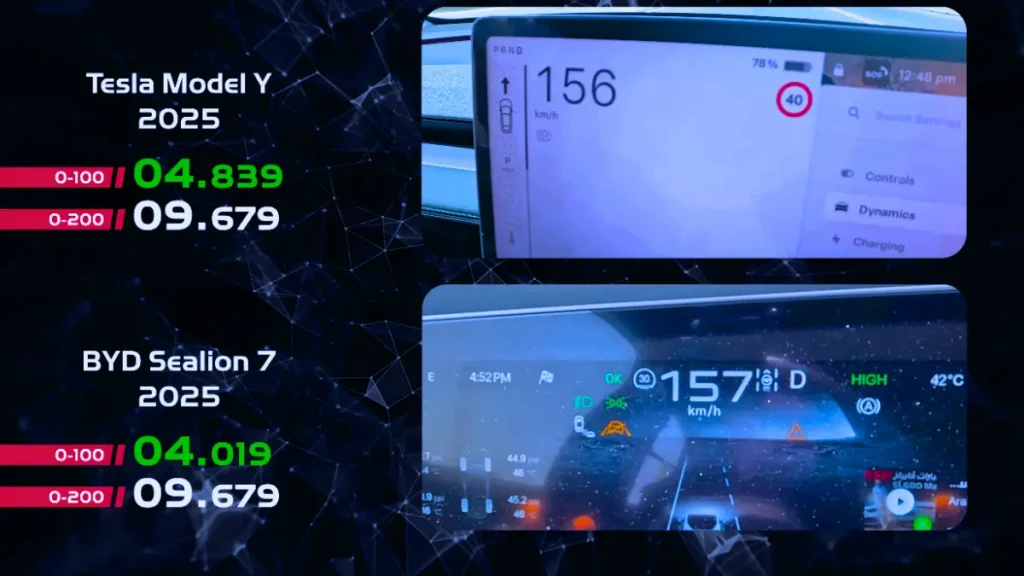
| 0-100 km/h (0-60 mph) Acceleration | ~4.2 s (for AWD variant) (Tesla) | ~3.8 s for top AWD model. (Zecar) |
| Battery Technology | NMC/NCA chemistry (higher energy density) (eepower.com) | LFP Blade Battery (safer, lower cost) (eepower.com) |
| Charging Speed / Infrastructure | Tesla Supercharger network strong in U.S.; ~185-282 miles added in 15 mins cited. (Tesla) | BYD claims very fast charging in some markets; e.g., large global claim of “400 km in 5 minutes” in China. (AP News) |
| Price / U.S. Availability | Strong U.S. availability and brand presence; service network mature. | BYD U.S. presence still emerging; service infrastructure less proven in U.S. |
| Safety & Service Network | Established network in U.S.; known brand. | Battery safety strong (Blade Battery); service network still developing in U.S. |
| Value Proposition | Premium brand, high resale value. | Potentially better value, strong tech for cost. |
Final Thought
In the U.S. electric-car landscape, the question—Is BYD better than Tesla?—is not settled in absolute terms. Tesla still leads in brand strength and U.S. infrastructure. However, BYD brings compelling advantages: cutting-edge battery technology, rapid innovation, competitive pricing and global momentum.
For U.S. buyers deciding between BYD vs Tesla electric cars, the right choice comes down to what you value most. If you prioritise strong brand presence and proven track record, Tesla remains the safe bet. But if you prioritise innovation, value, and future-proofing, BYD is no longer just an alternative—it’s a serious contender.
Post You May Find Useful
- BYD Electric Car Review
- BYD Surpasses Tesla in Revenue
- Why the BYD Car is Revolutionizing the U.S. Electric Vehicle Market
- BYD electric car reliable
- is BYD facing problems
FAQs
Q: Is BYD more reliable than Tesla?
A: Not necessarily universally. BYD’s Blade Battery reduces thermal risk and can increase longevity. Tesla has strong real-world data, but some build-quality variability exists. Reliability depends on model, local service access, and usage.
Q: Which has better resale value?
A: Historically Tesla. BYD’s resale value may improve as brand presence grows in the U.S.
Q: Which has better range?
A: Tesla generally provides longer range on comparable models. BYD’s real-world urban range can be very competitive.
Q: Which is safer?
A: Both invest heavily in safety. BYD’s battery chemistry provides a notable safety advantage against fires. Overall crash safety depends on individual model crash-test ratings (NHTSA/IIHS).
Q: Is FSD better than BYD driver aids?
A: Tesla’s FSD offers more advanced features and frequent updates. It’s still a Level 2 system and not fully autonomous. BYD focuses on robust driver aids with fewer high-risk claims.