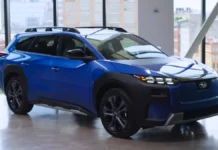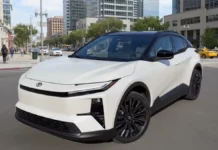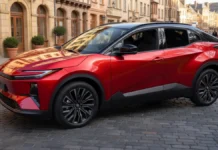







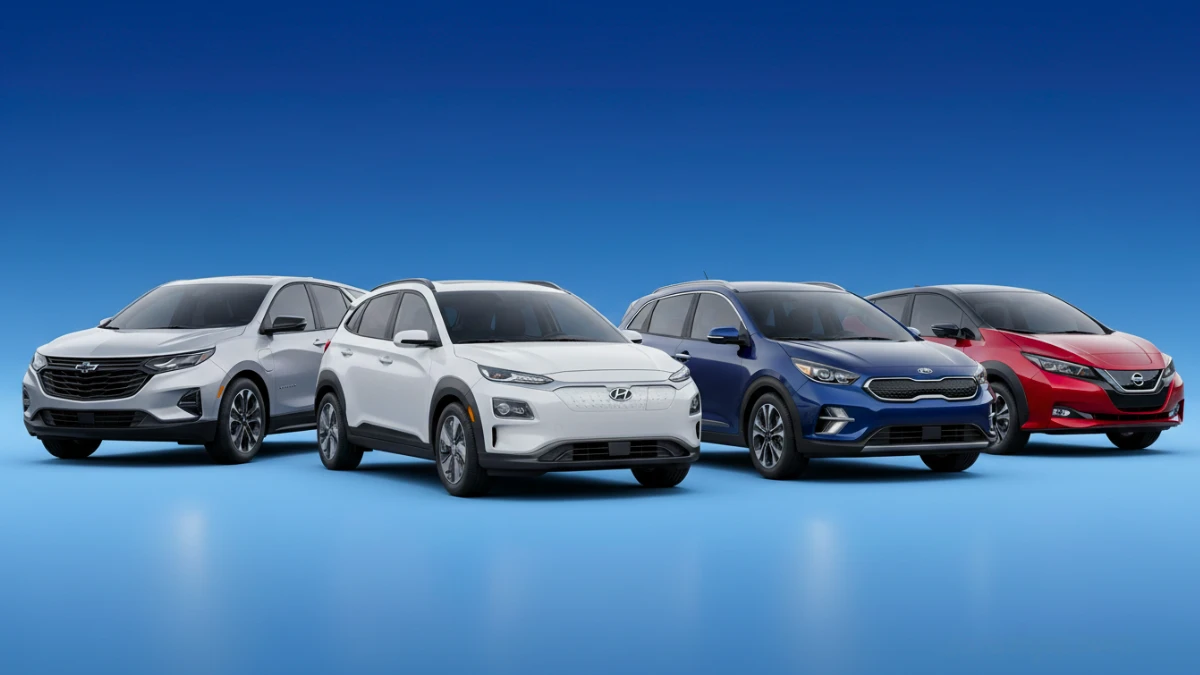
The electric SUV market has exploded in recent years, but finding a model that fits a strict budget of $35,000 in the United States can feel overwhelming. From federal incentives to real-world range and ownership costs, there’s a lot to consider. This guide is designed to help US buyers identify, compare, and finance an affordable electric SUV in 2026, without sacrificing quality, comfort, or features.
Contents
- Why $35,000 is the Sweet Spot for Electric SUV Buyers
- How Federal and State Incentives Make Electric SUVs Affordable
- Best Affordable Electric SUVs in the US (2026 Models)
- Range and Performance: Longest Range EVs Under $35,000
- Budget EV Crossovers: Comparing Value vs Price
- Pre-Owned Electric SUVs: Best Value Deals Under $30k
- Upcoming Models and EV Price Trends for 2026
- FAQs About Affordable electric suv under 35k
- Final Thought
Why $35,000 is the Sweet Spot for Electric SUV Buyers
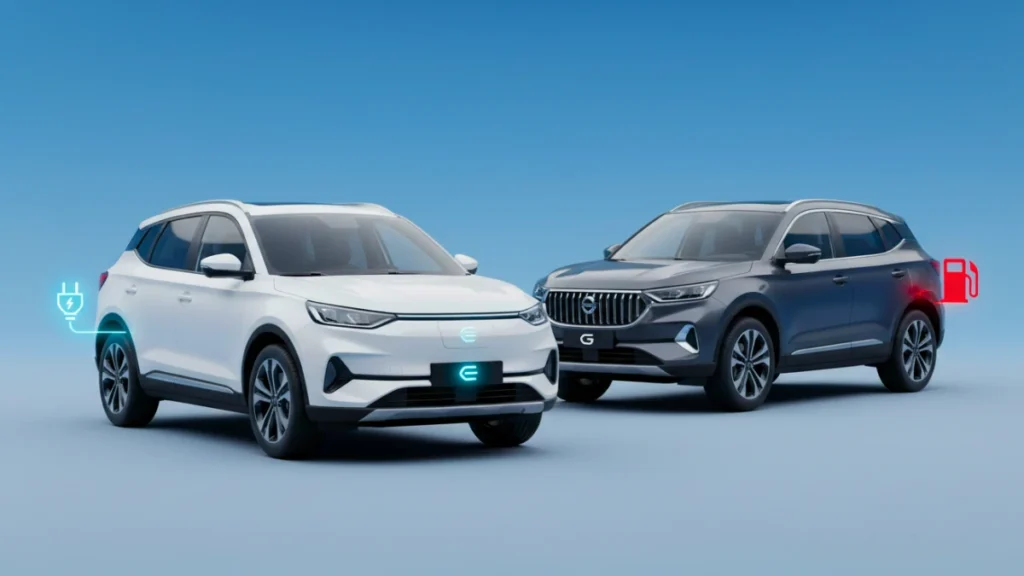
$35,000 represents a realistic entry point for mainstream buyers who want an electric SUV with modern features, safety, and reasonable range. It balances affordability with practicality: you avoid the high-end luxury EV prices while still accessing models that offer strong battery life, fast charging, and family-friendly space.
Mini Comparative EV vs Gas SUV (5-Year Ownership)
| Cost Factor | Budget EV (~$35k) | Gas SUV (~$35k) |
|---|---|---|
| Fuel / Electricity | ~$3,000 | ~$8,000 |
| Maintenance | ~$1,000 | ~$3,500 |
| Insurance | ~$4,500 | ~$4,200 |
| Depreciation | ~$12,000 | ~$10,000 |
| Total 5-Year Cost | ~$20,500 | ~$25,700 |
Even though EVs may have slightly higher insurance and initial depreciation, lower fuel and maintenance costs often make them more economical over five years.
Anecdote: Many buyers report that after the first year, the savings on fuel alone often offset the perceived higher upfront cost. Families who switched from a compact gas SUV to a Hyundai Kona Electric in 2025 shared that their monthly commuting cost dropped by nearly 50%, freeing up budget for weekend trips or home upgrades.
This mix of affordability, real-world savings, and modern EV technology makes $35k the sweet spot for US buyers looking for a practical electric SUV.
How Federal and State Incentives Make Electric SUVs Affordable
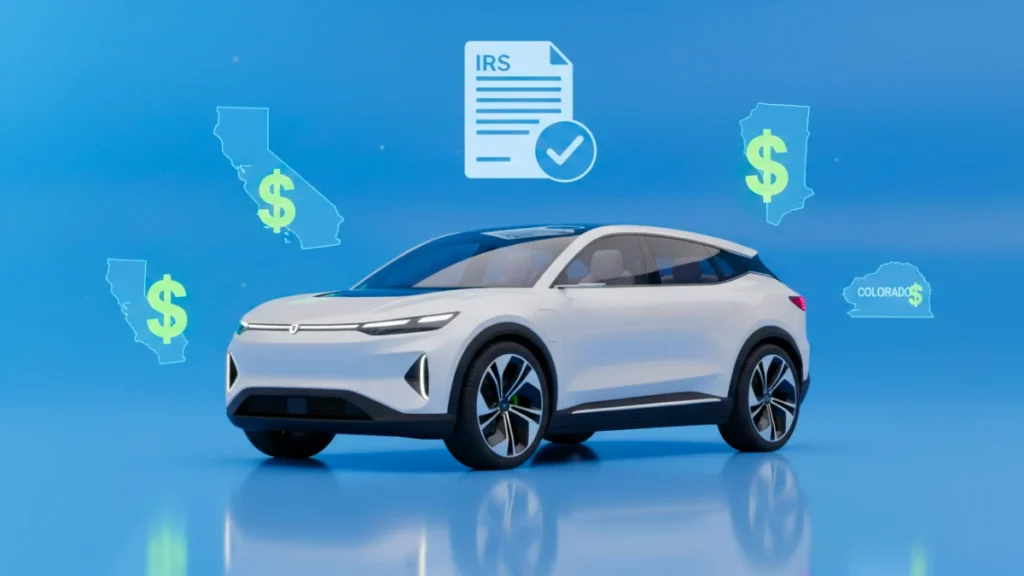
Electric SUVs under $35k in 2026 are increasingly within reach thanks to a combination of federal tax credits and state-level incentives. Understanding how these programs affect the final purchase price is essential for budget-conscious buyers.
2026 Federal EV Tax Credit Explained
The federal government continues to encourage EV adoption through tax credits. Eligible buyers can receive up to $7,500 on qualifying vehicles. The exact amount depends on:
- Battery size (larger batteries usually qualify fully)
- Manufacturer compliance with US production and MSRP rules
For example, if a Chevy Equinox EV lists at $37,000, the federal credit reduces your effective cost to $29,500. This alone can bring many models below the $35k target for entry-level trims.
State-Level Incentives and Rebates
Many states add extra incentives that stack on top of federal credits. Here are a few examples for 2026:
| State | EV Rebate / Incentive | Example Price After Credits ($37k SUV) |
|---|---|---|
| California | $2,500 rebate | $27,000 |
| New York | $2,000 rebate | $27,500 |
| Colorado | $1,500 rebate | $28,000 |
| Oregon | $1,000 rebate | $28,500 |
Some states also offer HOV lane access, registration discounts, or reduced electricity rates for EV owners, adding further savings.
Anecdote: One family in California reported combining federal and state incentives to purchase a Hyundai Kona Electric for effectively $26,800, a full $10,000 less than a comparable gas SUV. They could immediately use the savings for home charging installation and weekend trips.
Impact on Final Purchase Price
When planning a budget for an affordable EV:
- List Price: $37,000
- Federal Credit: −$7,500
- State Rebate (CA): −$2,500
- Final Cost: $27,000
Even with optional accessories or extended warranties, the total remains well under $35k.
Tip: Always verify eligibility with both the IRS and your state’s EV programs, as rules can change yearly. Combining incentives strategically can save thousands of dollars, making a 2026 EV purchase both affordable and practical.
Best Affordable Electric SUVs in the US (2026 Models)
Finding an electric SUV that balances affordability, range, and features can be challenging, but several 2026 models hit the sweet spot under $35k. Here’s a deeper look at top choices, including practical insights from real-world experiences.
Chevy Equinox EV 1LT
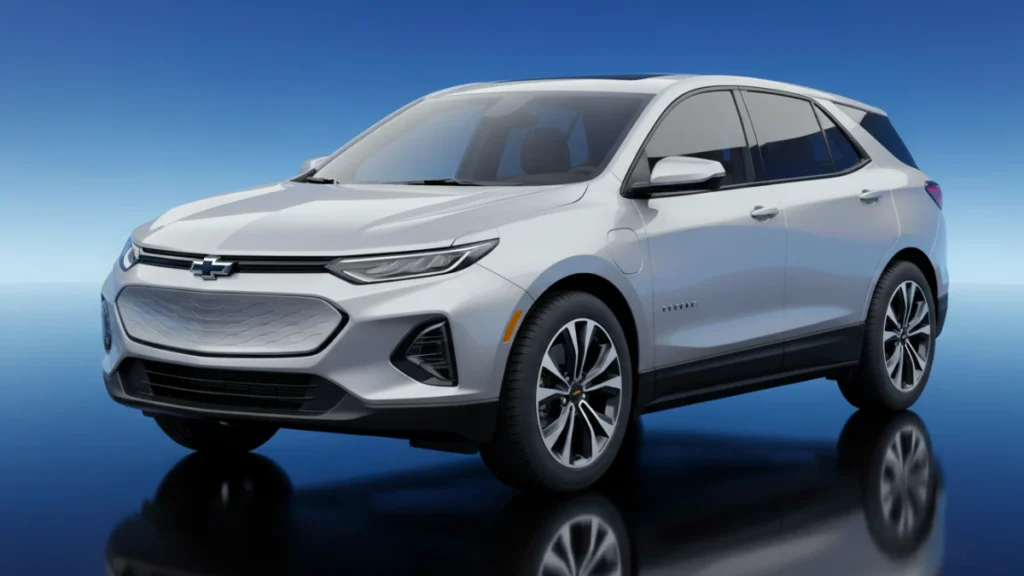
- Price (after incentives): ~$34,500
- Range (EPA): 250 miles
- Pros: Comfortable ride, solid features, fast charging
- Cons: Interior materials not premium
Mini Case Study: A suburban family in Texas purchased the 1LT trim and found it perfect for daily commutes and weekend trips. The fast-charging capability allowed them to plan a road trip from Austin to Dallas with minimal stops. They reported that the EV’s quiet cabin and smooth acceleration made the transition from their old gas SUV seamless.
Hyundai Kona Electric
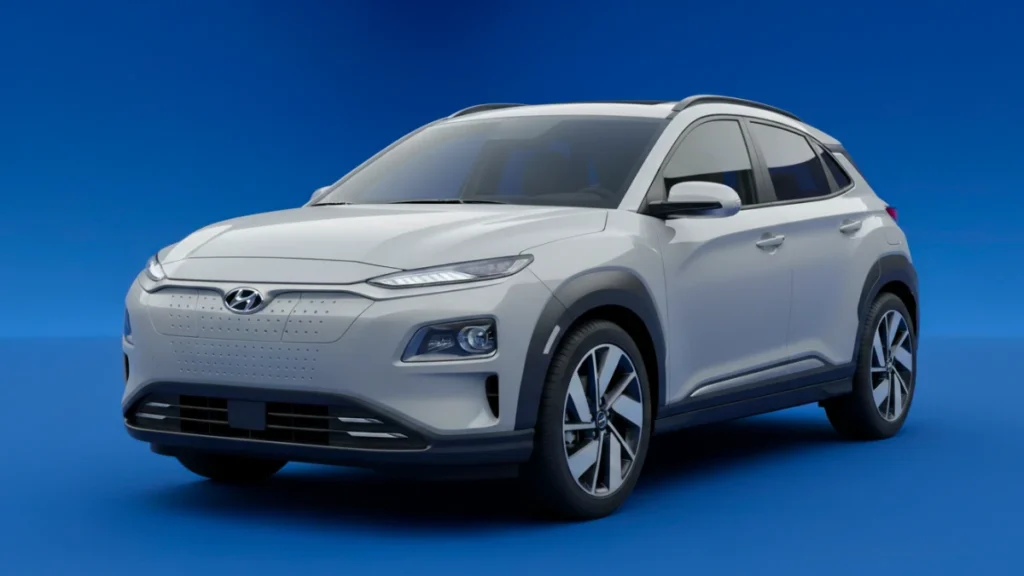
- Price (after incentives): ~$33,800
- Range (EPA): 258 miles
- Pros: Reliable, excellent warranty, compact for city driving
- Cons: Limited cargo space
Anecdote: In a 2025 survey of urban EV owners, the Kona Electric was praised for its nimble handling and consistent range in stop-and-go traffic. One buyer shared that their commute of 60 miles round trip consumed only 40% of the battery, leaving plenty of range for errands and weekend adventures.
Kia Niro EV
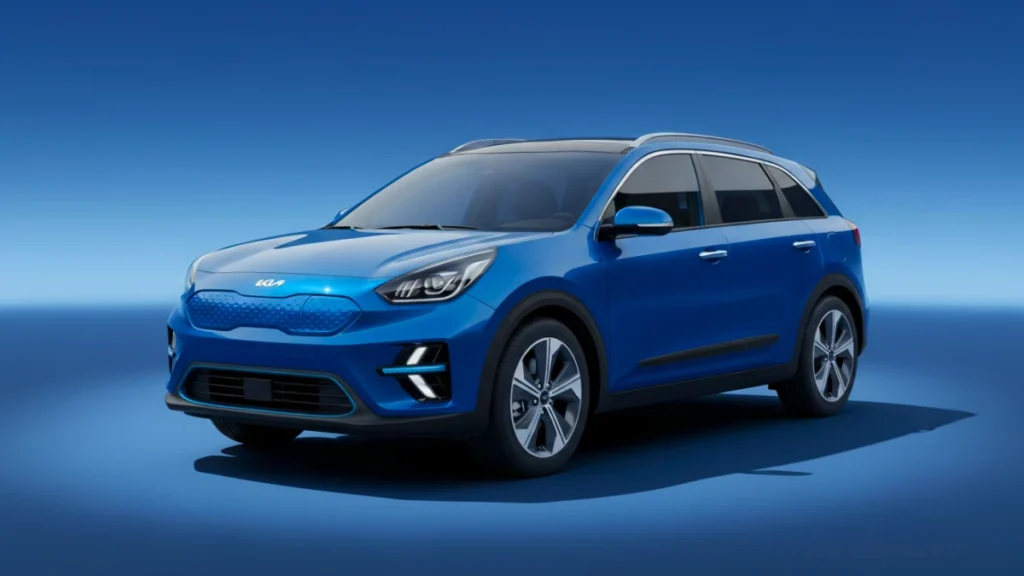
- Price (after incentives): ~$34,200
- Range (EPA): 239 miles
- Pros: Smooth ride, intuitive infotainment
- Cons: Less horsepower, slower acceleration
Mini Insight: A young professional in New York City noted that the Niro EV’s compact size made parking effortless, while Apple CarPlay and wireless connectivity kept the daily commute entertaining. Even with slower acceleration, the ride felt responsive in city traffic.
Nissan Ariya (Base Trim)
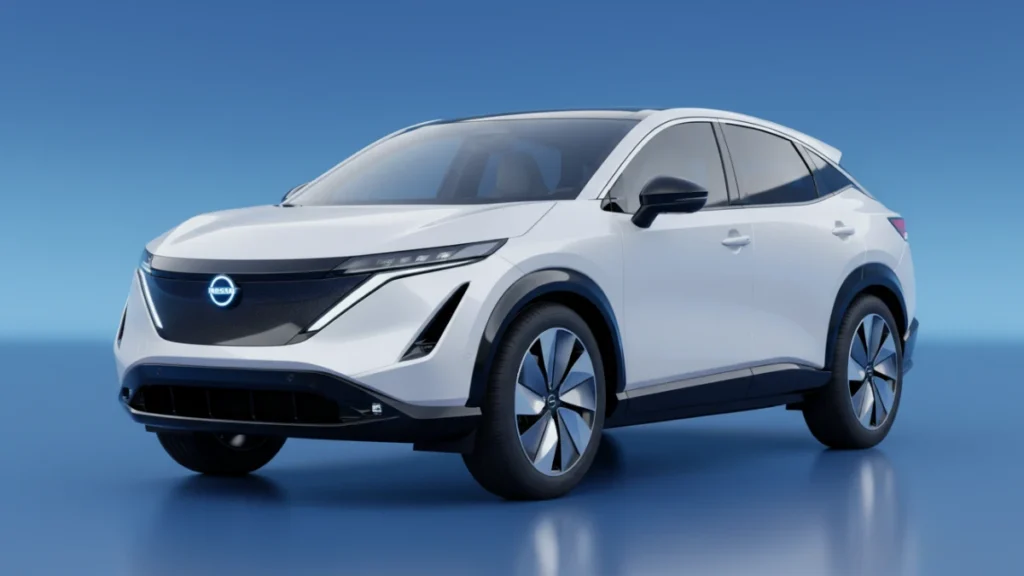
- Price (after incentives): ~$35,000
- Range (EPA): 247 miles
- Pros: Sleek design, AWD available
- Cons: Some trims slightly exceed budget
Real-World Note: Early adopters in colder climates appreciated the Ariya’s AWD and heated seats. One owner reported that winter driving did not significantly impact their commute range thanks to the efficient heat pump system, highlighting the model’s practicality for northern states.
These 2026 models demonstrate that budget electric SUVs are no longer basic compromises. With careful selection and awareness of incentives, buyers can enjoy modern technology, safety, and comfort without stretching beyond $35k.
Range and Performance: Longest Range EVs Under $35,000
When evaluating affordable electric SUVs, range and performance are critical. Buyers need to understand how real-world driving, charging infrastructure, and weather conditions affect their EV experience. Here’s a detailed look for 2026 models under $35k.
EPA vs Real-World Range
Many budget EVs advertise impressive EPA ranges, but real-world driving can reduce these numbers by 10–20%, particularly in highway and cold-weather conditions. For example:
| Model | EPA Range | Typical Real-World Range | Notes |
|---|---|---|---|
| Hyundai Kona Electric | 258 miles | 230–235 miles | Best in city driving, slight reduction on highways |
| Chevy Equinox EV 1LT | 250 miles | 220–230 miles | Range varies with load and AC/heating usage |
| Kia Niro EV | 239 miles | 210–220 miles | Efficient for short commutes, highway trips consume more energy |
| Nissan Ariya Base | 247 miles | 220–225 miles | AWD models slightly reduce efficiency |
Tip: Use the EPA range as a baseline, but plan for a 10–15% reduction when estimating daily driving and long trips.
Fast Charging Capabilities
Even affordable EVs now support DC fast charging, making weekend trips and longer journeys feasible.
- Hyundai Kona Electric: 80% charge in ~35 minutes
- Chevy Equinox EV: 80% charge in ~30–40 minutes
- Kia Niro EV: 80% charge in ~40 minutes
Advice: Identify nearby public fast chargers using apps like PlugShare or ChargePoint. Budget buyers should prioritize vehicles with fast-charging compatibility to minimize downtime on trips.
Performance in City and Highway Driving
Budget electric SUVs generally provide smooth, quiet rides with adequate acceleration for urban and suburban driving. Key points for 2026 models:
- City driving: Instant torque makes traffic stops and starts effortless.
- Highway stability: Lightweight interiors may produce minor road noise, but handling is stable.
- Acceleration: Entry-level trims often reach 0–60 mph in 7–8 seconds—sufficient for highway merging and overtaking.
Anecdote: One buyer who switched from a gas-powered compact SUV to a Hyundai Kona Electric reported that city commuting felt effortless, with regenerative braking saving energy and extending battery life.
Efficiency Tips for Budget Buyers
- Drive gently: Smooth acceleration and braking improve efficiency.
- Precondition your vehicle: Heating or cooling while plugged in reduces battery drain.
- Use ECO mode: Most models have energy-saving driving modes for longer range.
- Plan charging stops: Even for short trips, knowing fast-charger locations avoids last-minute anxiety.
Budget EV Crossovers: Comparing Value vs Price
When comparing cWhen considering an affordable electric SUV under $35k, the sticker price is only one part of the picture. Evaluating total value over time—fuel, maintenance, insurance, and depreciation—helps buyers make smart decisions.
Total Cost of Ownership (5-Year Comparison)
| Vehicle Type | Initial Cost | Fuel/Electricity | Maintenance | Insurance | Depreciation | 5-Year Total |
|---|---|---|---|---|---|---|
| Hyundai Kona Electric | $33,800 | $2,800 | $900 | $4,500 | $12,000 | $53,000 |
| Chevy Equinox EV 1LT | $34,500 | $3,000 | $1,000 | $4,500 | $12,500 | $55,500 |
| Kia Niro EV | $34,200 | $3,200 | $950 | $4,400 | $12,200 | $54,950 |
| Comparable Gas SUV | $35,000 | $8,000 | $3,500 | $4,200 | $10,000 | $60,700 |
Why EVs Outperform Gas SUVs
- Fuel Savings: Electricity is 40–60% cheaper per mile than gasoline.
- Lower Maintenance Costs: Fewer moving parts mean fewer repairs and oil changes.
- Tax Credits & Incentives: Federal and state programs reduce upfront costs.
- Resale Value: Early EV adoption has shown strong retention, especially for CPO models under $35k.
Tips for Maximizing Value
- Monitor energy rates: Charging during off-peak hours reduces monthly electricity costs.
- Combine incentives: Trade-ins, tax credits, and dealer promotions can save thousands.
- Consider used CPO models: Depreciation curves for 2022–2024 models make certified pre-owned EVs excellent value.
- Plan for lifestyle: Factor in charging accessibility, winter range, and commuting distance to ensure your choice meets daily needs.
Anecdote
A small business owner in Colorado switched from a gas SUV to a Hyundai Kona Electric. Over five years, they saved nearly $7,500 in fuel and maintenance alone, which funded home office upgrades and weekend getaways.
Pre-Owned Electric SUVs: Best Value Deals Under $30k
The used EV market has exploded in recent years, giving budget-conscious buyers a unique opportunity to access modern electric SUVs without breaking the $35k ceiling. With steep depreciation on early models, 2021–2023 EVs now fall into the $25k–$30k range, often fully eligible for federal and state incentives.
Certified Pre-Owned (CPO) Programs
Many brands, including Hyundai, Kia, and Tesla, offer CPO programs that provide:
- Extended warranties: Often covering 8 years / 100,000 miles for the battery and drivetrain.
- Battery coverage: Ensures minimal risk of high replacement costs.
- Inspection and reconditioning: Vehicles are thoroughly checked for mechanical, electrical, and cosmetic issues before resale.
Tip: Always request a detailed CPO report before purchasing, including battery health, mileage, and any prior repairs.
Depreciation Creates Opportunity
Electric SUVs depreciate faster than some gas counterparts, meaning:
- 2022 Hyundai Kona Electric CPO: ~$28,500, 220–240 miles range
- 2022 Kia Niro EV CPO: ~$27,800, 210–230 miles range
- Tesla Model Y Long Range 2021 (base trims): ~$29,500, 280 miles range
Anecdote: A couple in New York purchased a 2022 Hyundai Kona Electric CPO for $28,700. After applying federal and state incentives, their effective price dropped to $21,200—well under a new gas SUV of comparable size and comfort. They reported zero unexpected maintenance costs in the first year.
Inspection Tips for Used EV Buyers
Even with CPO vehicles, budget buyers should check:
- Battery health: Use manufacturer apps or dealer diagnostics to confirm capacity.
- Charging history: Frequent fast-charging can accelerate battery wear.
- Warranty coverage: Confirm remaining battery and drivetrain warranty.
- Software updates: Ensure the vehicle has received OTA updates for range and safety improvements.
Maximizing Your Budget
Buying pre-owned allows you to:
- Access higher trims with advanced features at lower costs.
- Benefit from federal and state incentives, which sometimes apply to used models under certain programs.
- Avoid the steepest depreciation while still enjoying modern tech, comfort, and safety.
Pro Tip: Consider timing purchases around new model releases—as new EVs arrive, older models’ prices often drop, creating bargains for budget-conscious buyers.
Upcoming Models and EV Price Trends for 2026
The electric SUV market is evolving faster than ever. With battery technology improving, production ramping up, and incentives still in place, 2026 promises to bring exciting new models and fresh pricing dynamics for budget-conscious buyers. Staying informed about upcoming releases and price trends is crucial if you want to make a smart purchase or plan your budget for the year ahead.
Upcoming Affordable Electric SUVs
Several manufacturers are targeting the under $35k segment in 2026, making EV ownership accessible for more buyers than ever. Key models to watch include:
- Chevy Equinox EV (2026 base trims)
Chevrolet continues to expand its EV lineup with the Equinox EV. Entry-level trims are expected to remain under $35,000 after federal incentives, with a practical 250–260 mile EPA range and modern infotainment features. - Kia Niro EV Refresh
Kia is updating the Niro EV for 2026 with minor design tweaks and improved battery efficiency. Expect a slightly higher range compared to the 2025 model, while keeping affordability intact. - Hyundai Ioniq 5 Base Trim
Hyundai plans to offer entry-level Ioniq 5 trims closer to the $35k target, benefiting from state rebates and federal tax credits. With fast charging and a contemporary interior, it’s a strong contender for buyers seeking style and efficiency. - Nissan Ariya Entry Trim
The Ariya is expanding its availability in the US market, and base trims could land near $35k after incentives. Buyers will enjoy AWD options and decent range, making it versatile for families and daily commuting.
These upcoming models demonstrate that affordable EVs are no longer compromises—buyers can get modern technology, safety, and efficiency without stretching their budget.
Predicted Pricing Trends
2026 is expected to see slight upward pressure on sticker prices, primarily due to raw material costs and supply chain improvements. However, federal and state incentives will continue to make EVs affordable for the mass market. Key trends include:
- Effective price after incentives: Most entry-level trims will remain under $35k when factoring in federal tax credits and regional rebates.
- Depreciation patterns: Used EVs from 2022–2024 will continue to offer excellent value, allowing buyers to find “almost new” models well below the $35k mark.
- Battery cost reductions: Advances in battery tech could allow manufacturers to improve range without significantly increasing MSRP, especially for compact crossovers.
For budget-conscious buyers, understanding how incentives and trends affect final pricing is crucial. Planning purchases around incentive programs or the release of new trims can save thousands.
Features to Look for in 2026 Releases
When evaluating upcoming 2026 electric SUVs, consider features that maximize value, comfort, and convenience:
- Battery Range & Efficiency: Look for models with at least 250 miles of EPA range and efficient battery management to reduce long-term energy costs.
- Fast Charging Capability: DC fast charging that reaches 80% in 30–40 minutes is increasingly standard even in budget trims.
- Interior Comfort & Cargo Space: Modern crossovers prioritize usability with modular seating, 2–3 rows depending on model, and ample storage.
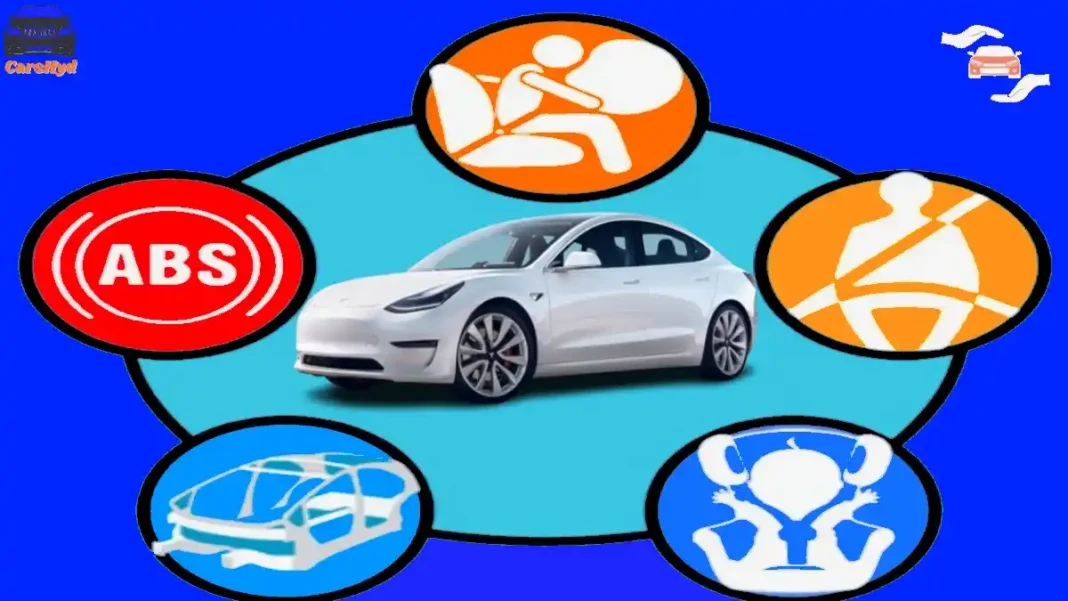
- Safety Technology: Advanced driver assistance systems (ADAS), lane keeping assist, and automatic emergency braking are becoming standard even in entry-level trims.
- Infotainment & Connectivity: Touchscreen displays, wireless Apple CarPlay/Android Auto, and OTA updates are expected in most 2026 models.
- Family & Lifestyle Features: Camping mode, roof rails, and towing packages are expanding even to affordable trims, enhancing versatility.
By focusing on these key value drivers, buyers can choose an electric SUV that balances affordability with long-term usability and satisfaction.

Hidden Costs: What Buyers Often Miss
Even with a strict $35,000 budget, buying an electric SUV involves more than just the sticker price. Many first-time EV buyers overlook “hidden” expenses that can affect the total cost of ownership. Understanding these costs ensures your budget is realistic and avoids surprises down the road.
Battery Replacement and Warranty Coverage
While EVs have fewer moving parts than gas-powered vehicles, the battery is the most expensive component. Most manufacturers provide long-term warranties covering 8 years or 100,000 miles, which protects you against sudden battery failure. However:
- Battery degradation can reduce real-world range by 10–20% over time.
- Some EVs may require replacement or refurbishment after 8–10 years, costing several thousand dollars if out of warranty.
- Choosing vehicles with strong battery management systems and proven reliability can minimize these risks.
Home Charging Installation Costs
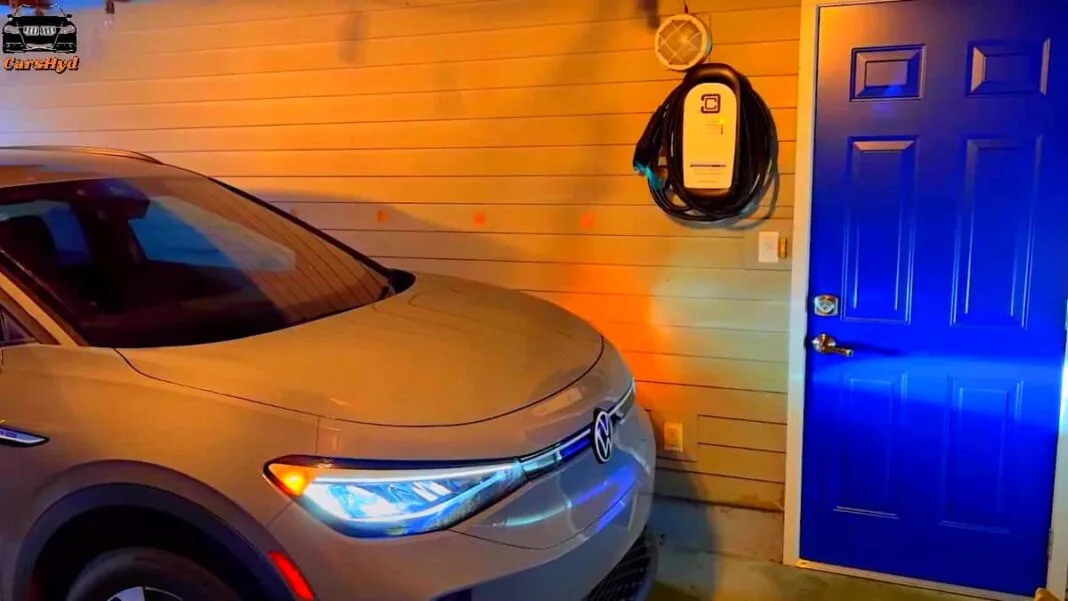
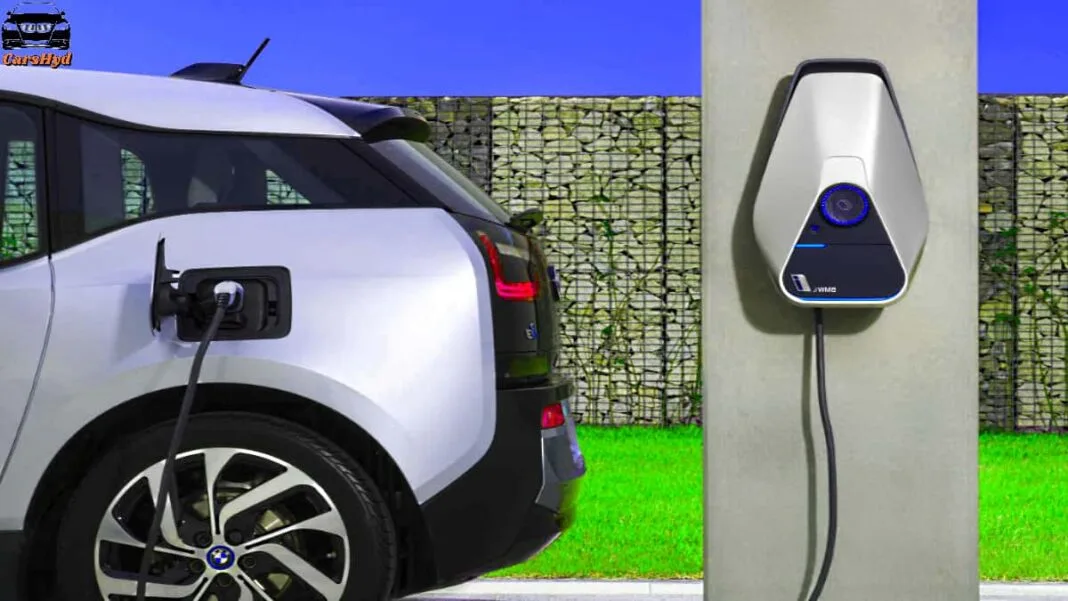
Installing a Level 2 home charger is one of the most common hidden expenses for EV owners. While a standard 120V outlet can technically charge an EV, it is slow and impractical for daily commuting. Expect:
- Level 2 charger cost: $500–$800 for a basic unit.
- Professional installation: $300–$700, depending on your home’s electrical system.
- Optional upgrades: Smart chargers, Wi-Fi connectivity, or dedicated circuits can increase the total.
A well-installed home charger ensures your EV is ready every morning and maximizes battery lifespan, but it should be factored into your $35k budget.
Cold Weather Range Reduction
Winter driving can significantly affect electric SUV performance:
- Cold temperatures reduce battery efficiency, sometimes by 10–20%.
- Features like battery heaters, heated seats, and heat pumps help, but energy consumption increases.
- Planning routes and charging stops during winter months is critical for avoiding range anxiety.
Budget EV buyers should consider models with good cold-weather performance to avoid unexpected limitations in northern climates.
Insurance Considerations
Insurance premiums for electric SUVs are slightly higher than equivalent gas-powered SUVs due to repair costs and replacement value of battery systems. However:
- Lower maintenance costs and no gas expenses often offset higher insurance premiums.
- Shopping around for insurers familiar with EVs can lead to significant savings.
- Some manufacturers even offer insurance discounts when purchasing through specific dealerships or certified programs.
Maintenance and Unexpected Costs
Although EVs require less regular maintenance than ICE vehicles, some hidden costs can arise:
- Tire replacement: EVs are heavier than gas SUVs, leading to slightly faster tire wear.
- Brake servicing: Regenerative braking reduces wear, but inspection and occasional replacement are still necessary.
- Software updates or optional packages: Some features are subscription-based, such as navigation upgrades or remote vehicle services.
Total Cost Awareness
By accounting for battery care, home charging, weather impact, insurance, and maintenance, buyers can realistically evaluate the total cost of ownership. A $35k budget can stretch further if these factors are understood in advance. Being proactive allows you to enjoy the benefits of EV ownership without surprises, making your electric SUV purchase smarter and more satisfying.
FAQs About Affordable electric suv under 35k
1. Can I buy an electric SUV under $35k in 2026?
Yes, many entry-level electric SUVs fall below $35,000 after combining federal tax credits and state incentives, making them affordable for budget-conscious buyers.
2. Which affordable electric SUV has the longest range?
The Hyundai Kona Electric offers one of the longest ranges for budget EVs, with 258 miles EPA, making it ideal for daily commutes and weekend trips.
3. Are used electric SUVs a good deal in 2026?
Certified pre-owned electric SUVs provide excellent value due to depreciation, warranties, and lower purchase prices, while some models still qualify for partial tax incentives.
4. What are the hidden costs of owning a budget electric SUV?
Hidden costs can include home charging installation, potential battery replacement, insurance, and slight range reductions in cold weather. Planning for these ensures a realistic budget.
5. Do all affordable electric SUVs qualify for federal tax credits?
Not all models qualify. Eligibility depends on battery size, manufacturer compliance with US production rules, and MSRP. Always check the IRS and manufacturer guidelines before purchase.
6. Which budget EVs are best for families?
Models like the Chevy Equinox EV and Kia Niro EV combine affordability, safety features, adequate cargo space, and practical range, making them ideal family-friendly electric SUVs.
Final Thought
Finding an affordable electric SUV under $35K in 2026 is more realistic than ever. By factoring in federal and state incentives, total ownership costs, and real-world range, buyers can confidently choose between new or pre-owned models. Vehicles like the Chevy Equinox EV, Hyundai Kona Electric, and Kia Niro EV represent the best balance of affordability, range, and features, making them ideal for US families, commuters, and eco-conscious drivers.
With this guide, you now have a complete roadmap to select, compare, and finance a budget-friendly electric SUV that meets your lifestyle and wallet in 2026.