







Last Updated: August 2026 | Reviewed for 2026 NHTSA & IIHS Safety Standards
Table of contents
Modern car safety
Car safety has come a long way over the past few decades, evolving from simple lap belts to sophisticated advanced driver-assistance systems (ADAS) that intervene before a crash even becomes inevitable. As vehicle engineering accelerates alongside electric architecture and software-defined platforms, modern automobiles rely on a dense ecosystem of sensors, radar units, and camera arrays. Explore our comprehensive hub on advanced automotive technologies to see how these hardware and software layers work together across modern platforms.
This comprehensive guide breaks down essential car safety features, evaluating how active radar monitoring, structural passive protection, and updated crash-test criteria influence vehicle selection. Whether you are analyzing technical specifications or shopping for a new family vehicle, understanding these systems ensures you prioritize features that deliver meaningful protection on today’s highways.
Overview of Car Safety Features
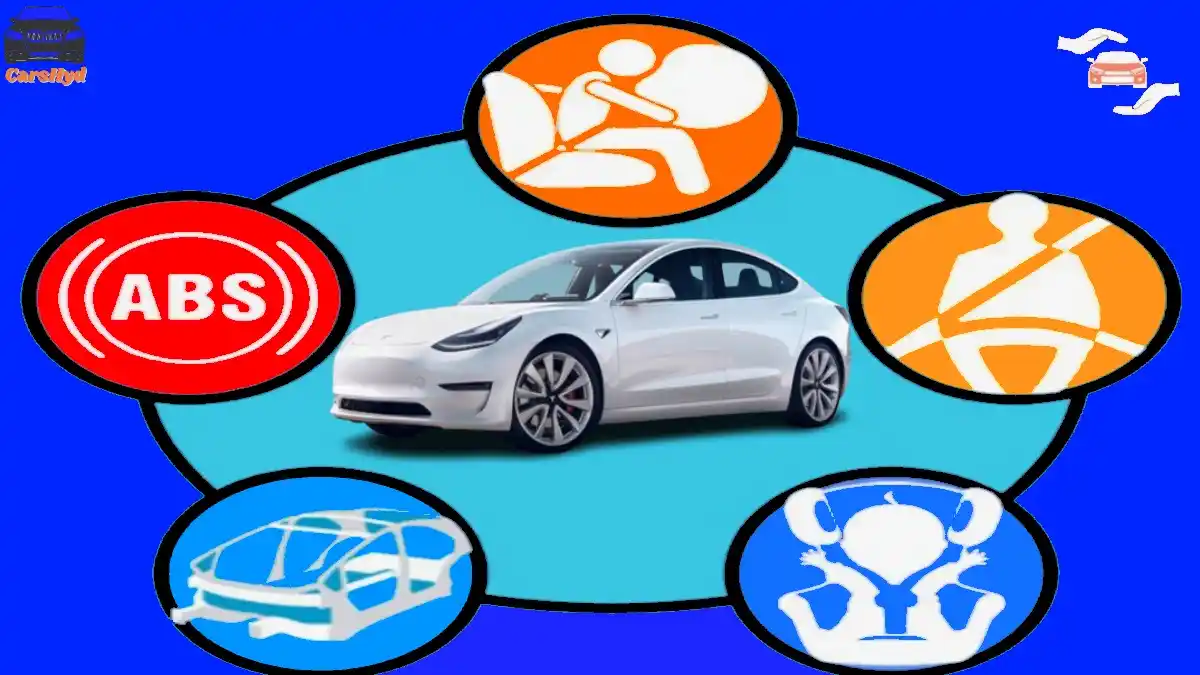
Automotive safety equipment is divided into two fundamental operational categories: active safety systems and passive safety systems. Active safety systems operate continuously to prevent loss of control or mitigate collision forces, while passive safety systems deploy instantly during an impact to safeguard human occupants.
What Are Active Safety Systems?
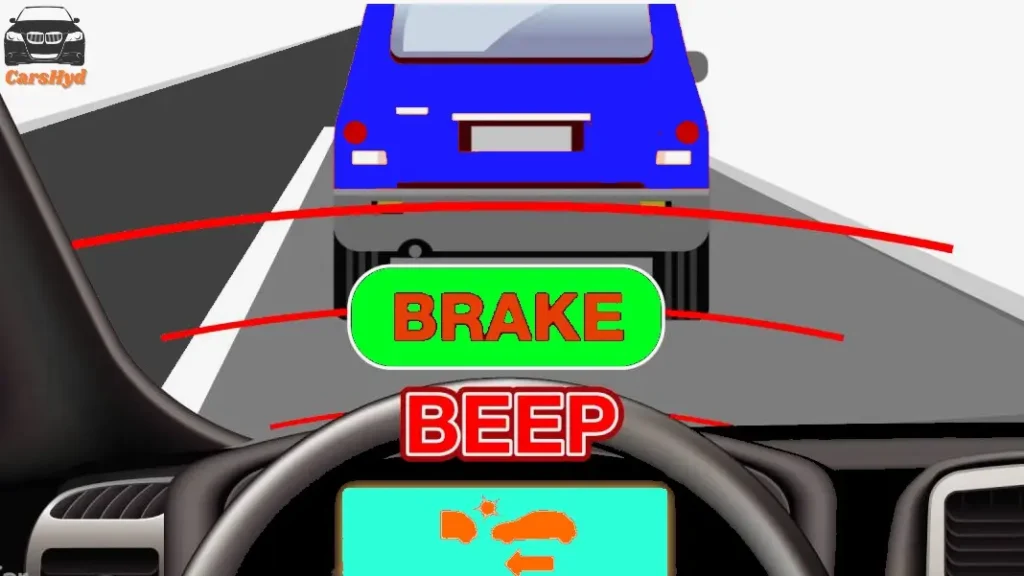
Active safety features continuously scan surrounding traffic, road surface conditions, and driver inputs. Using short-range millimeter-wave radar, optical camera vision, and wheel-speed telemetry, these components issue immediate cabin alerts or initiate autonomous braking and steering adjustments. Core active systems include:
- Anti-lock Braking System (ABS): Rapidly pulses brake line pressure during panic stops to prevent wheel lockup and preserve steering authority.
- Electronic Stability Control (ESC): Corrects oversteer and understeer by applying targeted braking force to individual wheels.
- Traction Control System (TCS): Restricts engine torque or manages brake drag on slipping driven wheels during acceleration.
Passive Safety Systems
When physical impact becomes unavoidable, passive safety systems absorb kinetic energy and manage occupant deceleration. Primary passive components include:
- Supplemental Restraint Airbags: Rapidly inflating gas cushions designed to prevent direct head and chest contact with structural cabin hardpoints.
- Pyrotechnic Seat Belts: Pre-tensioners and load-limiters that instantly cinch webbing tight before managing chest load expansion.
- Engineered Crumple Zones: Dedicated metallic frame structures built to deform progressively, dissipating impact energy away from the passenger compartment.
Evaluating both system classifications provides a complete picture of how a vehicle performs during everyday commuting and extreme emergency scenarios.
Key Active Car Safety Features
Anti-lock Braking System (ABS)
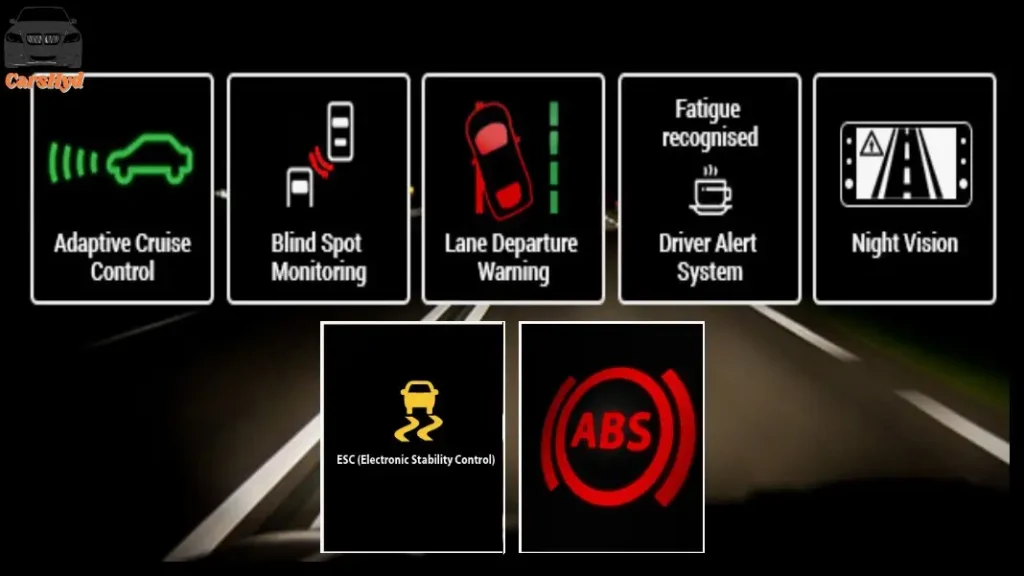
The Anti-lock Braking System (ABS) serves as the foundational architecture for modern chassis management. By monitoring wheel speed sensors dozens of times per second, ABS modulates hydraulic pressure whenever lockup is detected. This prevents skidding on wet asphalt, loose gravel, or icy roads, allowing drivers to steer around obstacles while maintaining maximum braking force. Standardized across all U.S. passenger vehicles since 2013, ABS operates as the baseline for traction control and stability management systems.
Electronic Stability Control (ESC)
Electronic Stability Control (ESC) utilizes yaw-rate sensors, steering-angle monitors, and lateral acceleration tracking to ensure the vehicle responds accurately to driver steering inputs. If the car begins sliding sideways or spinning out during abrupt evasive maneuvers, ESC applies hydraulic braking to specific wheels within milliseconds.
Federal mandates have required standard ESC on all light passenger vehicles since model year 2012. Long-term crash statistics compiled by the National Highway Traffic Safety Administration (NHTSA) demonstrate that functional ESC reduces single-vehicle fatal rollover crashes by nearly 49%, making it one of the most effective safety developments in automotive history.
Forward Collision Warning (FCW)
Forward Collision Warning (FCW) tracks distance and closure rates to vehicles ahead using optical windshield cameras or front bumper radar modules. When closing speeds indicate an imminent rear-end impact, FCW issues flashing dashboard graphics, audible chimes, or haptic brake pulsing to alert the driver. Modern FCW systems feature adjustable sensitivity settings and integrate pedestrian and cyclist detection capabilities calibrated for urban driving.
Automatic Emergency Braking (AEB)
Automatic Emergency Braking (AEB) automatically initiates full hydraulic pressure if FCW alerts go unheeded. Federal regulations finalized by the NHTSA mandate that virtually all new passenger cars and light trucks sold in the U.S. feature standard high-speed AEB capability. Under these updated safety standards, systems must operate at speeds up to 62 mph and successfully detect pedestrians in daytime and low-light night conditions, significantly lowering urban pedestrian fatality risks.
Lane Departure Warning (LDW) and Lane Keeping Assist (LKA)
Lane Departure Warning (LDW) reads painted lane markers to identify unintended lane drift. If a turn signal is not engaged, the system alerts the driver via acoustic alerts or steering wheel vibrations. When paired with Lane Keeping Assist (LKA) or Lane Centering Control, electric power-steering actuators apply gentle torque corrections to keep the vehicle centered in its lane.
These features help mitigate highway accidents caused by driver fatigue, distraction, or momentary disorientation during long interstate drives.
Adaptive Cruise Control (ACC)
Adaptive Cruise Control (ACC) expands upon conventional cruise control by dynamically adjusting vehicle speed relative to preceding traffic. Utilizing long-range radar or multi-camera stereoscopic vision, ACC maintains pre-selected follow distances. Advanced Stop-and-Go variants can bring the vehicle to a full halt in dense traffic jams and automatically resume acceleration once traffic moves, minimizing driver stress during daily commutes.
Blind Spot Monitoring (BSM)
Blind Spot Monitoring (BSM) employs rear bumper radar sensors to detect traffic positioned in hard-to-see quarters along the vehicle’s sides. Visual icons light up in the side mirrors when vehicles enter these zones, flashing rapidly if the driver activates a turn signal toward an occupied lane. Many systems incorporate Rear Cross-Traffic Alert (RCTA) with automatic braking, which scans perpendicular traffic when backing out of driveways or blind parking stalls.
Traffic Sign Recognition (TSR)
Traffic Sign Recognition (TSR) utilizes optical camera processing to identify posted speed limits, stop signs, and entry restrictions. The detected speed limits are displayed on the instrument cluster or head-up display (HUD). In markets adhering to European GSR2 safety mandates, TSR connects directly to Intelligent Speed Assist (ISA) prompts to ensure drivers remain aware of changing speed zones.
Key Passive Car Safety Features
Airbags
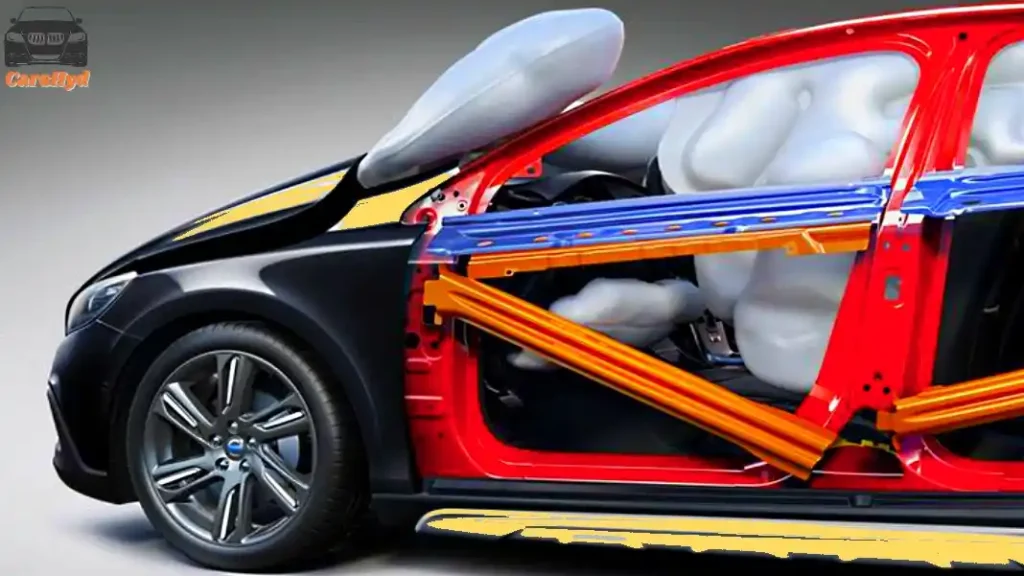
Airbag architecture extends far beyond simple steering wheel installation. Contemporary luxury and mainstream passenger vehicles feature up to ten distinct airbag deployment locations. These include dual-stage frontal driver and passenger units, front-seat knee airbags, seat-mounted side thorax cushions, side-curtain airbags protecting outboard passengers, and front-center airbags designed to prevent head-to-head contact between front occupants during severe side impacts.
Seat Belts
Three-point seat belts remain the single most effective passive safety device in automotive history. Modern seat belt systems use pyrotechnic pre-tensioners linked to crash sensors. Upon impact, the pre-tensioner fires a small charge to reel in slack instantly, locking occupants against the seat back before force loads transfer. Integrated load limiters then yield slightly in a controlled manner to lower peak pressure across the chest, reducing rib fracture risks.
Crumple Zones
Crumple zones use tailored steel alloys and stamped aluminum structural beams designed to collapse progressively during severe frontal or rear impacts. By controlling structural deformation, these zones extend the duration of kinetic deceleration during a collision, dramatically lowering G-forces transmitted directly into the passenger cabin.
Reinforced Passenger Cabins
Surrounding the interior cabin is an ultra-high-strength steel safety cage. Utilizing hot-stamped boron steel across the A-pillars, B-pillars, roof rails, and side sills, this safety cell preserves survival space during rollovers and offset impacts. On modern electric vehicles, the floor-mounted battery housing doubles as an integrated structural reinforcement, increasing torsional rigidity and side-impact protection.
How Car Safety Features Are Rated
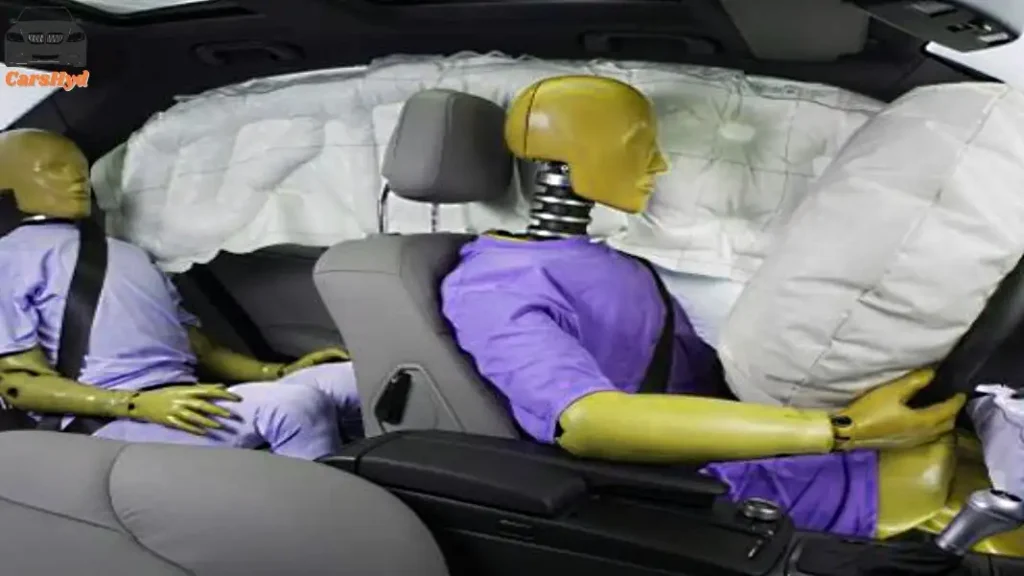
Crash Test Ratings
Independent safety ratings allow buyers to compare physical crash performance across competing models. In North America, structural evaluation is governed by two major bodies:
- NHTSA 5-Star Safety Ratings: Evaluates vehicles using frontal barrier impacts, side barrier crashes, side pole impacts, and static/dynamic rollover resistance calculations.
- IIHS Evaluations: Conducts rigorous testing scored on a scale of Poor, Marginal, Acceptable, or Good. Tests include the demanding small-overlap frontal crash, updated side-impact testing with heavier barrier carts, and nighttime pedestrian AEB performance.
The Importance of IIHS Top Safety Pick+
Earning an Insurance Institute for Highway Safety (IIHS) Top Safety Pick+ award requires outstanding performance across all primary structural crash tests. Additionally, awarded vehicles must offer standard high-performing headlights (rating Acceptable or Good across all trim levels) and pass demanding rear-seat occupant crash test criteria alongside nighttime pedestrian crash avoidance evaluations.
The Role of Safety Ratings in Car Insurance
Vehicle safety ratings directly impact annual auto insurance premiums. Insurers calculate rates based on historic personal injury claims and structural repair costs. Models equipped with comprehensive ADAS packages and top-tier crash scores typically qualify for lower liability and comprehensive coverage rates, offsetting initial equipment costs over time.
Emerging Car Safety Technologies
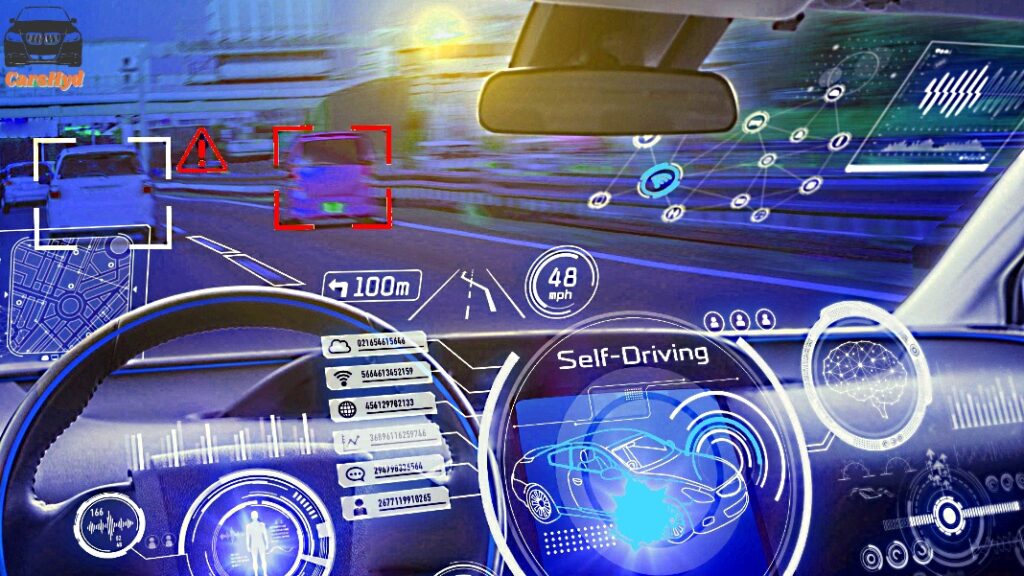
Autonomous Driving Technology
Autonomous driving technology continues to progress from level-2 hand-on systems to true Level-3 conditional automation. Advanced suites like Mercedes-Benz Drive Pilot, GM Super Cruise, and Ford BlueCruise utilize high-definition LiDAR mapping, optical vision camera arrays, and radar redundancy to manage highway steering, lane changes, and speed control autonomously under specific driving conditions.
Vehicle-to-Everything (V2X) Communication
Vehicle-to-Everything (V2X) technology enables direct wireless data transfer between moving automobiles, roadside infrastructure, traffic signals, and vulnerable pedestrians via cellular C-V2X protocols. By broadcasting real-time position, velocity, and emergency braking status, V2X alerts drivers to hidden intersection hazards, approaching emergency vehicles, or sudden slowdowns around blind curves well before physical line-of-sight visual contact occurs.
Predictive Safety Systems & Driver Monitoring
Modern cabin monitoring systems employ interior infrared steering-column cameras to track driver eye gaze, blink rates, and head positioning. If signs of fatigue, drowsiness, or手机 (mobile device) distraction are detected, the system issues visual and acoustic alerts. In addition, Child Presence Detection (CPD) radar systems monitor interior cabin cabin movement to prevent accidental heatstroke incidents.
Frequently Asked Questions (FAQ)
What is the difference between active and passive car safety features?
Active safety features (such as Automatic Emergency Braking, ABS, and Lane Keeping Assist) operate continuously to help drivers avoid accidents entirely. Passive safety features (such as airbags, seat belt pre-tensioners, and frame crumple zones) activate during an actual crash to protect passengers from physical injury.
Are advanced safety features like AEB mandatory on new cars?
Yes, regulatory frameworks in major automotive markets enforce standard AEB equipment. In the United States, NHTSA regulations mandate standard high-speed AEB with pedestrian detection capabilities across all new light passenger vehicles.
Which safety rating is more important: NHTSA or IIHS?
Both testing organizations provide valuable safety insights. NHTSA focuses heavily on government-mandated crash tests and rollover probability ratings on a 5-star scale. The IIHS uses stricter independent testing criteria, including small-overlap frontal impacts, updated heavy-barrier side tests, headlight effectiveness, and night-time pedestrian collision testing.
Do active safety systems lower my car insurance costs?
In most cases, yes. Insurance providers often offer discounts for vehicles equipped with factory-installed ADAS features like Automatic Emergency Braking, Blind Spot Monitoring, and Lane Departure Warning, as these technologies lower crash frequency and severity.
Conclusion
Modern car safety features combine active collision-avoidance systems with high-strength structural engineering to deliver unprecedented levels of vehicle protection. From mandatory Automatic Emergency Braking and stability control to emerging V2X networks and interior driver monitoring, today’s automotive market offers technologies capable of preventing accidents before they occur.
When selecting your next vehicle, balance physical crash-test scores from the NHTSA and IIHS with active ADAS technology packages. Understanding how these features operate ensures you select a vehicle built to protect you and your passengers under all driving conditions.
Still Interested in Buying a Car with Top Safety Features?
If you are evaluating prospective vehicles equipped with modern car safety features, take time to review official crash testing scores and request complete ADAS demonstrations during test drives. Prioritizing comprehensive safety packages ensures long-term security and driving confidence every time you hit the road. Explore our full breakdown of safety equipment options to make an informed decision on your next vehicle purchase.