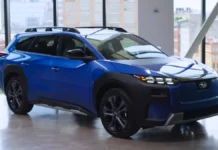





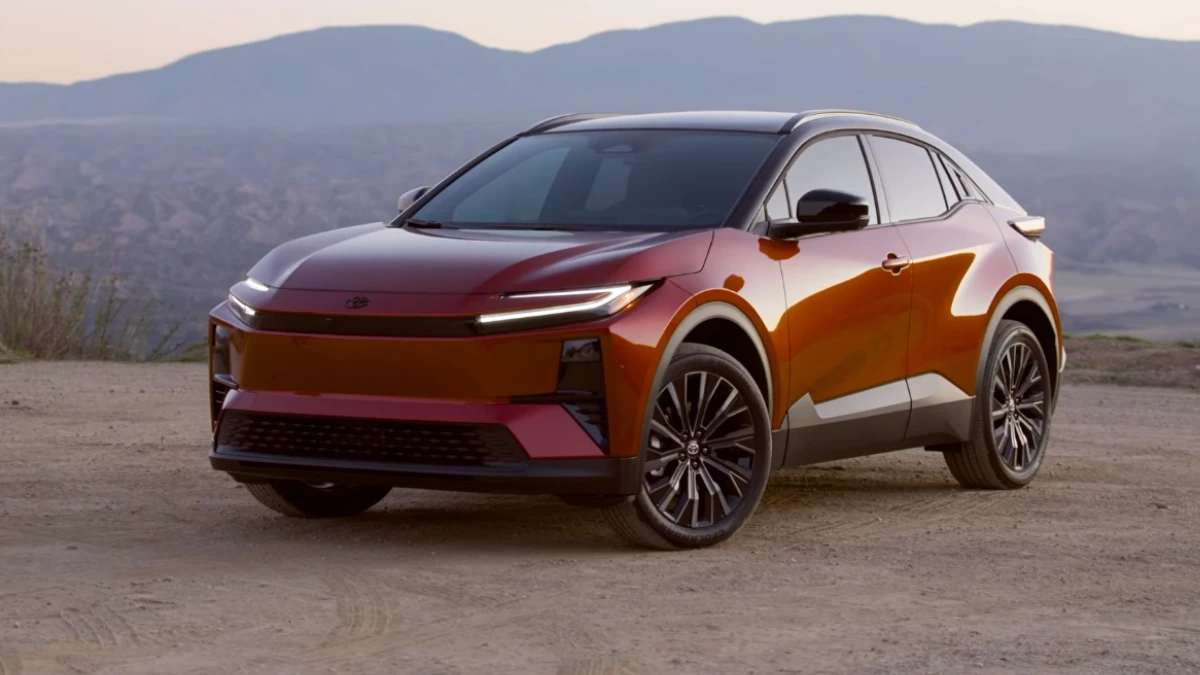
The compact SUV segment keeps evolving, and Toyota is stepping back into the spotlight with a bold return. The 2026 Toyota C-HR is no longer a gasoline or hybrid crossover in the U.S. market. It has been completely reborn as a fully electric vehicle.
For buyers watching the shift toward electrification, this matters. The new C-HR isn’t a mild update — it’s a strategic move. Toyota is positioning it as a stylish, performance-oriented compact EV designed for city drivers, commuters, and small families who want efficiency without sacrificing personality.
Here’s what you actually need to know.
Contents
A Clean-Sheet Electric Strategy
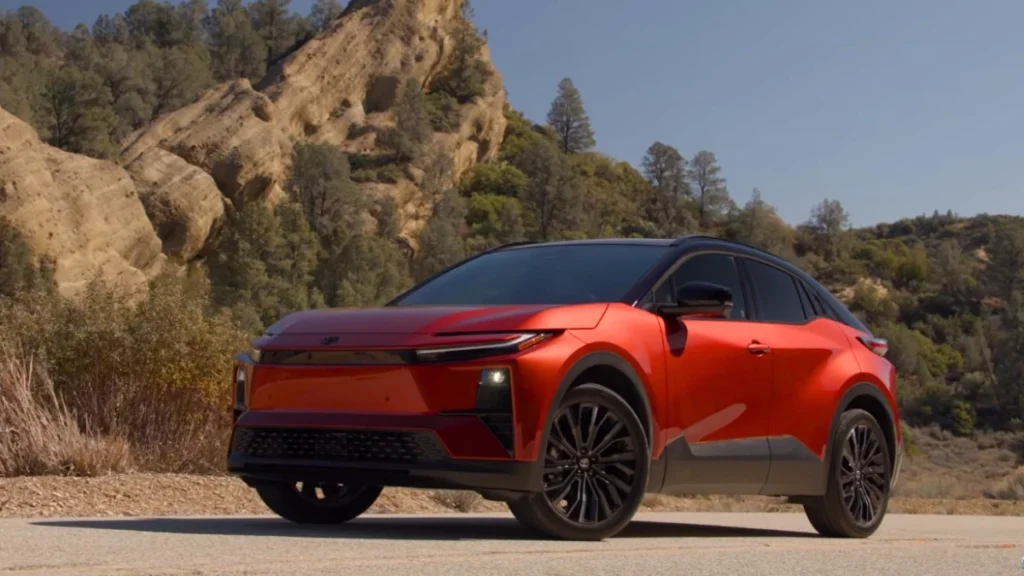
The 2026 C-HR isn’t a conversion of an existing gas model. It’s engineered as a battery-electric vehicle from the ground up. That distinction matters. Purpose-built EVs typically offer better interior packaging, improved weight distribution, and enhanced driving dynamics compared to adapted platforms.
Toyota’s dedicated EV architecture places the battery pack beneath the floor, lowering the center of gravity and improving structural rigidity. The result is a vehicle that feels planted, balanced, and composed, especially during cornering or high-speed lane changes.
This is not simply a compliance EV. It’s a statement that Toyota intends to compete seriously in compact electrification.
Confirmed Release Date
Toyota has confirmed, according to Toyota’s official 2026 C-HR EV press release, that the model will arrive in U.S. dealerships in March 2026.
This early-year launch places it directly in the growing compact electric SUV segment, competing for buyers who are comparing range, performance, charging access, and technology before making the switch to electric.
Starting Price
The 2026 C-HR EV starts at approximately $37,000 MSRP.
Higher trims with upgraded interior materials, larger wheels, and advanced driver-assist features will push pricing toward the upper $30,000 range.
This pricing positions the C-HR below many larger electric SUVs while offering more performance than entry-level electric crossovers.
Powertrain & Performance
The 2026 C-HR is 100% battery electric — there is no hybrid version for the U.S. market.
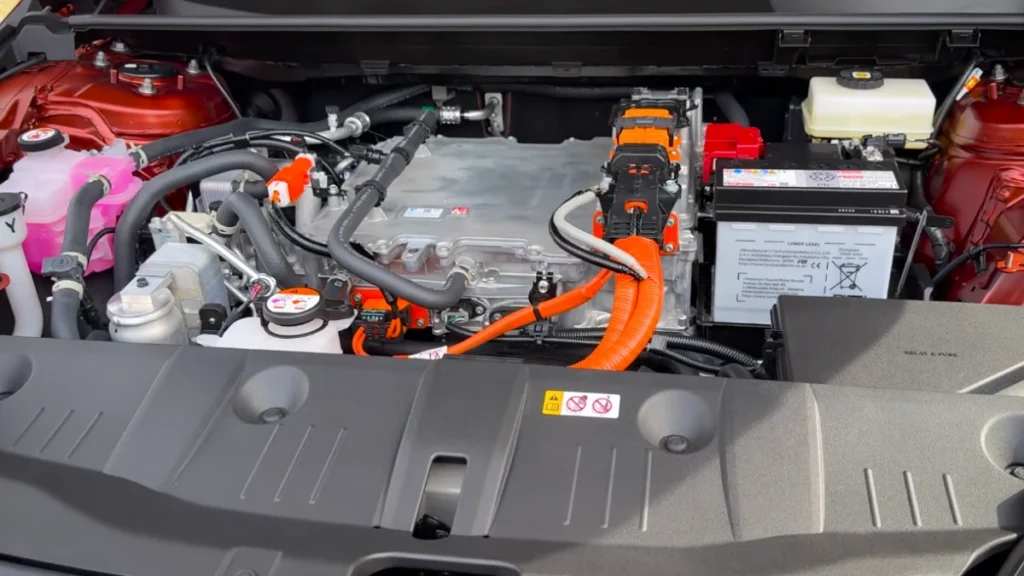
It features:
- Dual-motor all-wheel drive (standard)
- 338 combined horsepower
- 74.7-kWh lithium-ion battery pack
- EPA-estimated range of up to 287 miles (SE trim)
Acceleration is strong and immediate thanks to electric torque delivery. The low center of gravity from the underfloor battery improves stability and cornering, giving the C-HR a more planted feel compared to traditional compact SUVs.
Drivers can also adjust regenerative braking levels using steering-wheel paddles, allowing for smoother one-pedal-style driving in urban environments.
Driving Experience: What It Feels Like on the Road
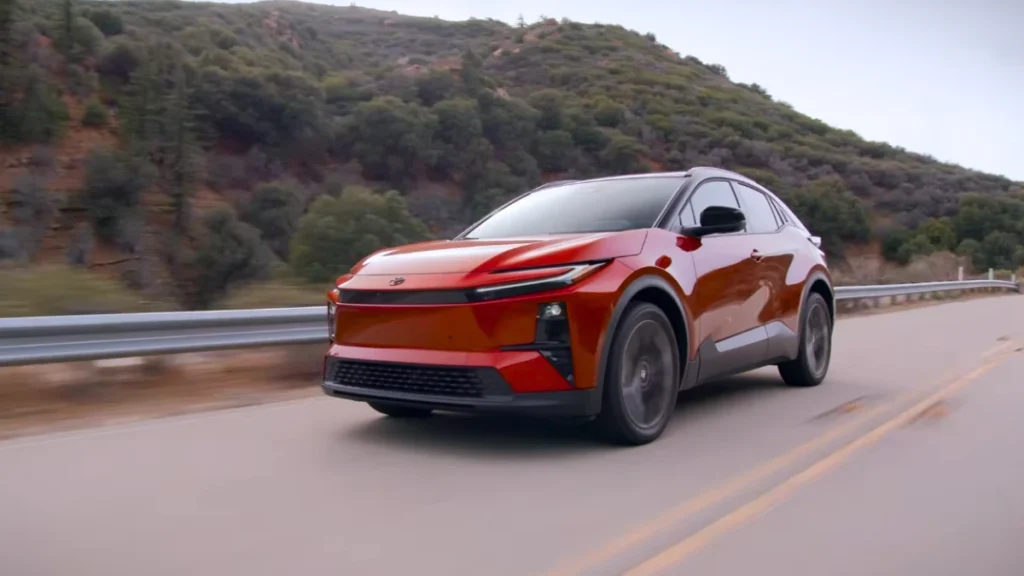
One of the biggest advantages of a purpose-built EV platform is balance. With the battery mounted low in the chassis, body roll is reduced compared to taller gasoline crossovers.
Steering response is precise without feeling overly artificial. Regenerative braking paddles behind the steering wheel allow drivers to adjust energy recovery levels, offering near one-pedal driving in city traffic.
The ride quality is tuned for comfort rather than aggression. Road imperfections are absorbed cleanly, and cabin noise is noticeably reduced compared to combustion models.
For commuters who spend significant time in traffic, the quiet electric drivetrain makes daily driving far less fatiguing.
Battery & Range: Practical for Daily Use?
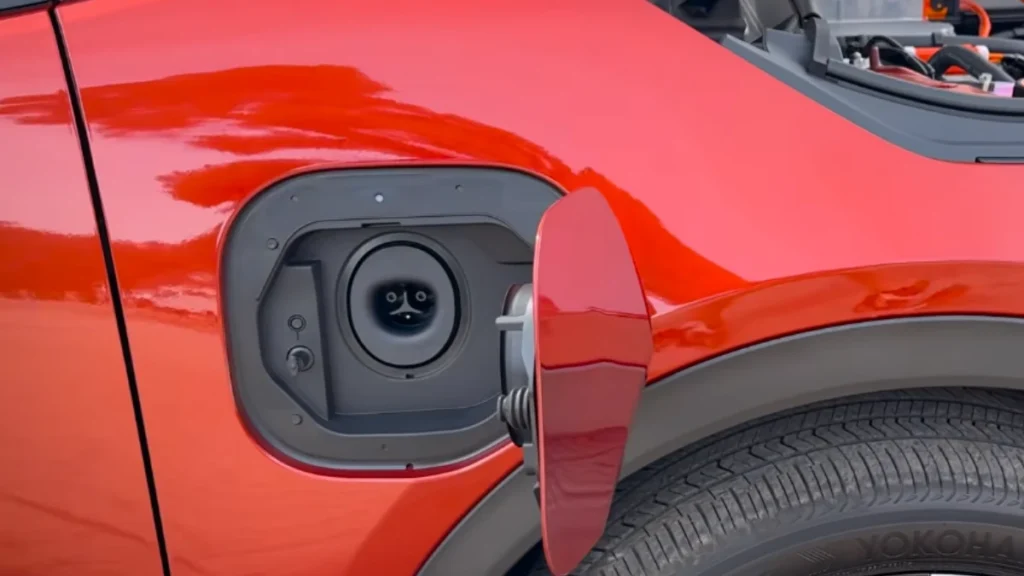
The 74.7-kWh battery provides up to 287 miles of EPA-estimated range, aligned with current EPA electric vehicle range ratings standards.
For most American drivers, daily commutes average less than 40 miles. That means many owners could drive an entire workweek without charging, depending on usage patterns.
Cold weather and aggressive driving will naturally impact range, as with any EV. However, the C-HR’s battery capacity places it competitively within the compact electric SUV category.
Charging & Infrastructure
The vehicle uses the North American Charging Standard (NACS), expanding compatibility across major U.S. charging networks.
DC fast charging allows the battery to go from 10% to 80% in roughly 30 minutes under optimal conditions.
It also supports:
- Level 1 home charging (120V)
- Level 2 charging (240V)
For daily commuters, overnight Level 2 charging at home will be the most practical solution.
Trims & Grades
Toyota offers two primary trims:
SE (Base Trim)
Despite being the entry version, the SE is well equipped:
- 14-inch touchscreen
- Toyota Audio Multimedia system
- Wireless Apple CarPlay & Android Auto
- Dual wireless phone chargers
- Heated front seats
- Power liftgate
- 18-inch wheels
- Toyota Safety Sense 3.0
XSE (Premium Trim)
The XSE adds:
- 20-inch wheels
- SofTex and synthetic suede seating
- Driver memory settings
- Panoramic View Monitor
- Lane Change Assist
- Two-tone paint options
Both trims share the same dual-motor AWD system and battery pack.
Exterior Design
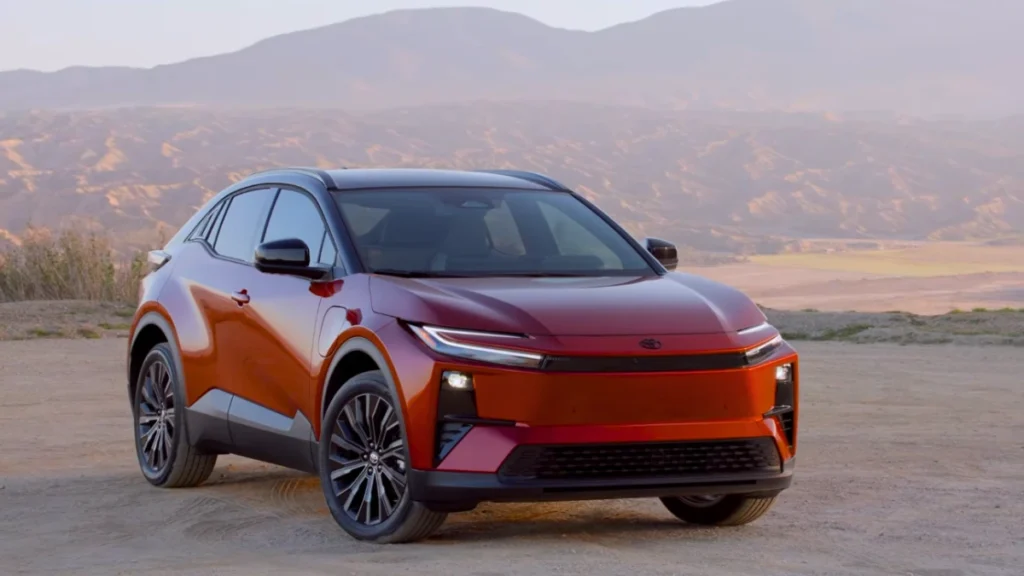
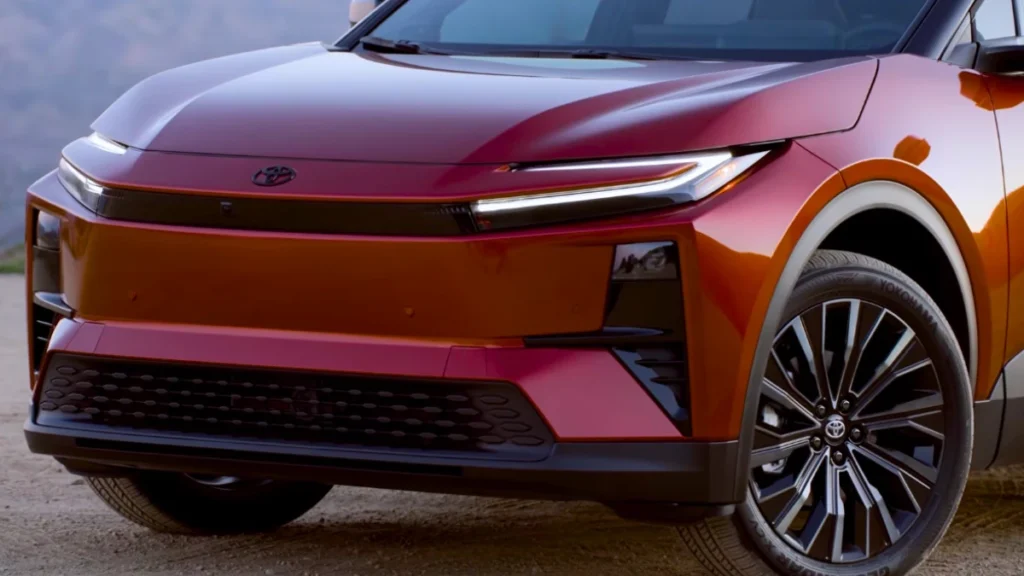
The new C-HR adopts a coupe-inspired SUV profile while maintaining practical proportions.
Dimensions:
- Length: 177.9 inches
- Width: 73.6 inches
- Height: 63.8 inches
The front fascia features Toyota’s hammerhead design language, sharp LED lighting, and aerodynamic sculpting. The stance is athletic but not exaggerated — modern without trying too hard.
It looks distinct in traffic, which has always been part of the C-HR’s identity.
Interior Design: Modern but Functional
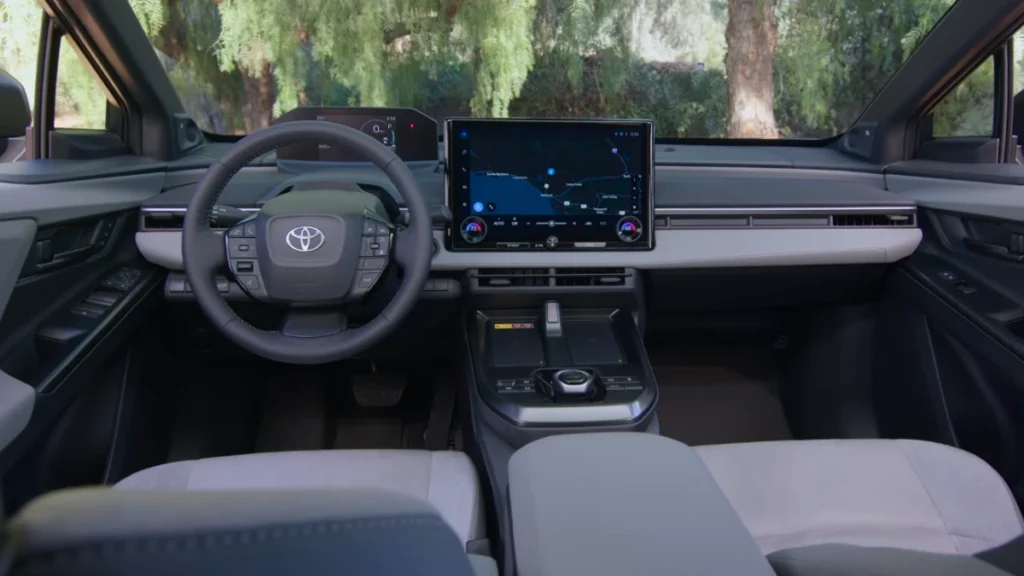
Inside, the 2026 C-HR EV embraces a minimalist, tech-forward layout without becoming overwhelming.
The 14-inch touchscreen is the centerpiece of the dashboard. It is large, crisp, and responsive. Wireless smartphone integration ensures most drivers will rely on Apple CarPlay or Android Auto, minimizing learning curves.
Material quality has improved compared to the previous generation. Soft-touch surfaces are more prevalent, and the overall fit and finish feel tighter.
The flat floor enabled by the EV platform increases rear passenger comfort. Storage compartments are thoughtfully positioned, and cargo capacity is competitive for the segment.
Technology & Connectivity
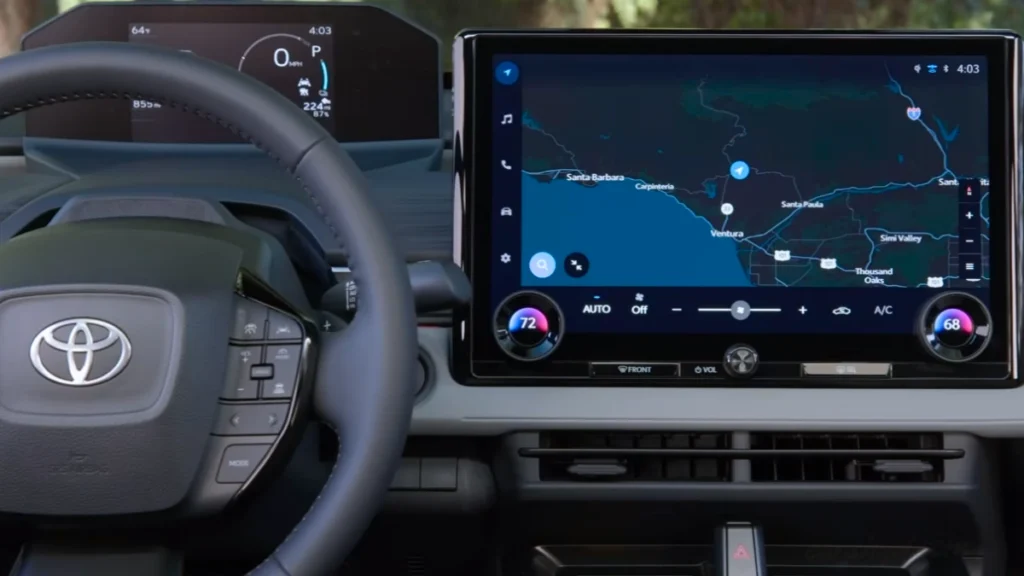
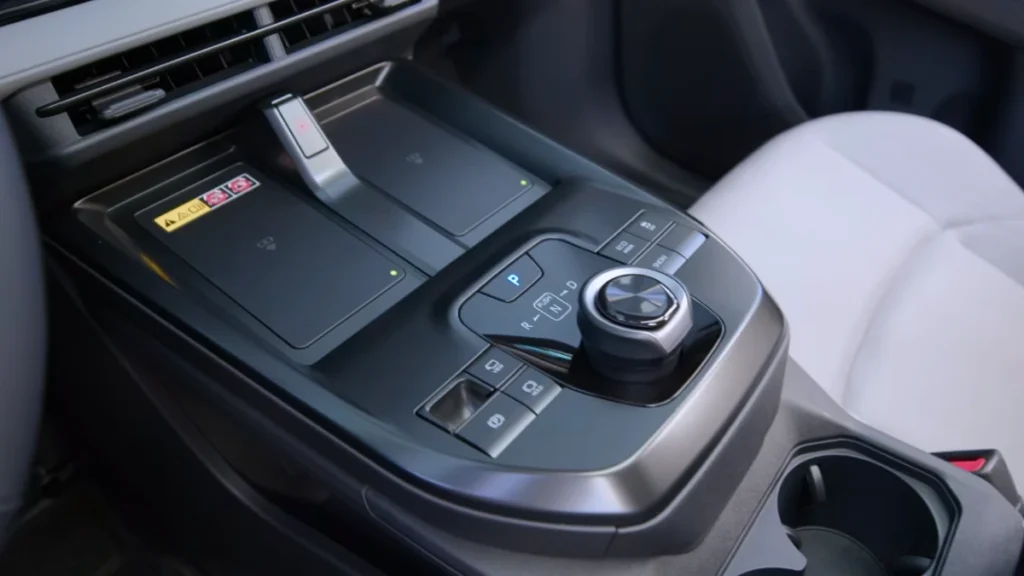
Beyond the infotainment screen, the C-HR EV includes:
- Digital instrument cluster
- Multiple USB-C charging ports
- Over-the-air software update capability
- Connected navigation and remote vehicle functions
Toyota’s multimedia interface has evolved significantly in recent years, offering smoother graphics and faster response times than older systems.
Safety & Driver Assistance
The C-HR comes standard with Toyota Safety Sense 3.0 technology, including:
- Adaptive cruise control
- Lane tracing assist
- Pre-collision system with pedestrian detection
- Automatic high beams
- Blind-spot monitoring
- Rear cross-traffic alert
Additional features like Traffic Jam Assist and Safe Exit Alert enhance urban safety.
Toyota continues to emphasize reliability and driver confidence, even as it transitions deeper into electric vehicles.
Main Competitors
The 2026 C-HR EV enters a competitive segment alongside:
However, the C-HR differentiates itself with standard dual-motor AWD and higher horsepower compared to many compact EV rivals.
Ownership Considerations
Electric vehicles often reduce long-term maintenance costs due to fewer moving parts. There are no oil changes, fewer brake replacements thanks to regenerative braking, and simplified drivetrain components.
Insurance costs and electricity pricing will vary by region. However, for urban and suburban drivers, the long-term operational savings can be meaningful compared to gasoline SUVs.
Toyota’s reputation for reliability may also reassure buyers transitioning to EV ownership for the first time.
Buyers should verify eligibility under current Federal EV tax credit guidelines before purchase.
Is It Worth Waiting For?
If you are planning to move to a compact electric SUV in 2026, the C-HR deserves serious consideration.
It delivers:
- Strong performance (338 hp)
- Competitive range (up to 287 miles)
- Fast charging capability
- Modern technology
- Distinctive styling
Most importantly, it marks Toyota’s shift from cautious electrification to a more confident EV strategy in the U.S. market.
Final Verdict
The 2026 Toyota C-HR EV represents more than a redesign. It represents a strategic shift.
With 338 horsepower, nearly 300 miles of range, fast charging capability, and a starting price around $37,000, it positions itself as one of the most compelling compact electric SUVs entering the U.S. market in 2026.
It is practical without being boring. Quick without being excessive. Modern without feeling experimental.
For buyers ready to move into electric driving but unwilling to compromise on design or performance, the C-HR EV deserves careful consideration.
FAQs About 2026 Toyota C-HR EV
The 2026 Toyota C-HR sold in the United States is fully electric (BEV). It does not offer a gasoline or hybrid powertrain for the U.S. market.
The EPA-estimated range is up to 287 miles on the SE trim. The XSE trim may offer slightly lower range due to larger wheels.
The C-HR EV produces 338 combined horsepower from its dual-motor all-wheel-drive system.
Yes. All trims come standard with dual-motor all-wheel drive (AWD).
Using DC fast charging, the battery can go from 10% to 80% in about 30 minutes under ideal conditions. Level 2 home charging typically replenishes the battery overnight.
The starting MSRP is approximately $37,000, with higher trims reaching the upper $30,000 range.
Toyota confirms U.S. availability beginning in March 2026.
Key competitors include the Hyundai Kona Electric and other compact electric SUVs in the $35,000–$40,000 range.
Eligibility depends on battery sourcing and federal program requirements at the time of purchase. Buyers should verify current IRS guidelines and dealership qualification details.
While official acceleration figures may vary, estimates suggest 0–60 mph in around 5 seconds, making it one of the quicker compact electric SUVs in its class.