

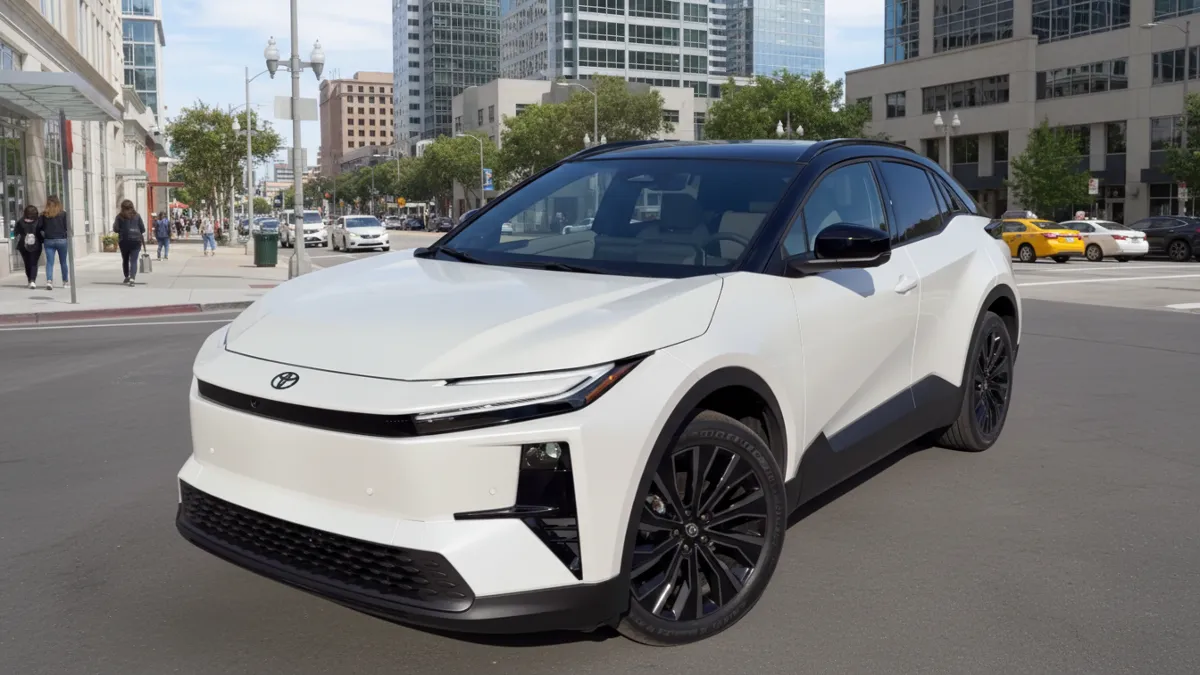
Toyota’s XSE badge has long been associated with sporty styling, upgraded technology, and sharper driving dynamics across the brand’s lineup. From the RAV4 to the Corolla, XSE trims have balanced everyday usability with a sportier edge.
With the shift toward electrification, U.S. buyers are asking a new question: What does the XSE trim mean for Toyota’s upcoming 2026 electric models? If you are researching the brand’s latest lineup, explore our comprehensive Toyota buyer’s guides. This question becomes especially relevant with the return of the Toyota C-HR XSE EV, which we analyzed in our full guide to its U.S. release and expected specifications.
In this article, we break down everything we know and expect, from electric motor output and drivetrain possibilities to interior upgrades, safety features, and pricing strategy.
Contents
- Understanding the XSE Philosophy
- Expected Electric Motor Output
- Drivetrain Options and Handling
- Exterior Styling: Sport Meets Modern EV
- Interior Upgrades for XSE EVs
- Safety and Driver Assistance
- Pricing Expectations
- Expected Range and Charging
- Comparing XSE EVs to Lower Trims
- Who Should Consider XSE Electric Models
- Bottom Line
Understanding the XSE Philosophy
XSE is not just a trim level—it’s a statement. Toyota positions it as a step above base or LE trims, focusing on sport-oriented aesthetics, performance tuning, and enhanced driver experience. In gas-powered models, XSE trims often include larger wheels, firmer suspension calibration, and unique exterior styling. These features appeal to buyers who want more presence and engagement without moving into full sport models like TRD variants.
For EVs, the XSE philosophy translates differently. Electric motors deliver instant torque and linear acceleration, so handling tweaks and software tuning become more important than a traditional engine upgrade. Designers can also use the absence of an internal combustion engine to refine weight distribution, lower the center of gravity, and enhance ride dynamics—all in line with the XSE ethos.
Expected Electric Motor Output
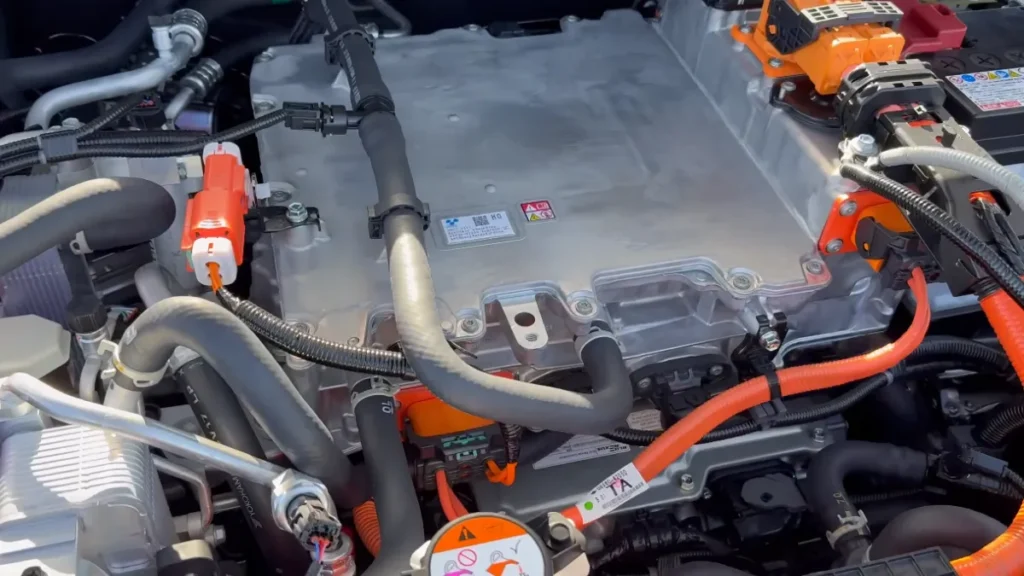
Based on Toyota’s current e-TNGA architecture, 2026 XSE electric models will likely feature multiple powertrain options. Standard trims may include a single-motor front-wheel-drive layout producing approximately 200–215 horsepower. While that may seem modest on paper, electric torque delivery is immediate, giving the XSE a surprisingly brisk feel in urban and highway driving.
For the Toyota XSE trim specifically, dual-motor all-wheel-drive setups are probable. Analysts speculate combined output could reach or exceed 330 horsepower, closely mirroring the higher-performance versions of the Toyota bZ4X. That output would allow 0–60 mph times in the mid- to low-6-second range, offering a spirited driving experience without sacrificing daily usability.
Electric XSE performance tuning will also include regenerative braking mapping, torque vectoring, and adaptive suspension settings. These calibrations aim to deliver a connected, responsive feel, helping the XSE badge retain its sporty credibility even as the drivetrain shifts from gas to electric.
Drivetrain Options and Handling
Single-motor FWD models are likely to remain the entry point for urban buyers focused on affordability and efficiency. The driving experience will still feel lively due to electric torque, but handling characteristics will prioritize comfort over aggressive cornering.
Dual-motor AWD variants, exclusive to Toyota XSE trim or higher, will combine performance with traction confidence in all weather conditions. The added rear motor allows for torque vectoring, improving cornering stability and reducing understeer. Weight distribution will be optimized thanks to battery placement in the floor, lowering the center of gravity and enhancing handling dynamics without sacrificing cabin space.
Toyota engineers have hinted that 2026 XSE electric models could feature slightly stiffer suspension tuning compared to base trims. This aligns with the XSE strategy of blending performance with everyday practicality. Drivers can expect a composed ride over city streets while still feeling connected on winding back roads.
Exterior Styling: Sport Meets Modern EV
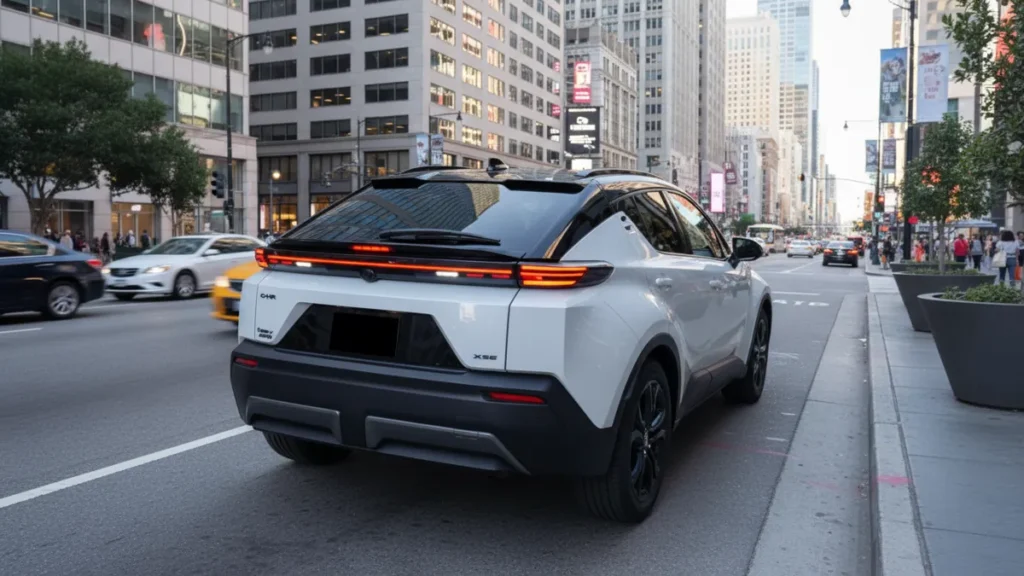
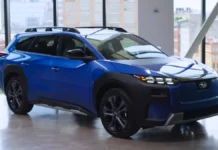
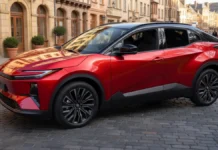
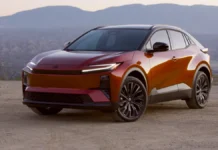
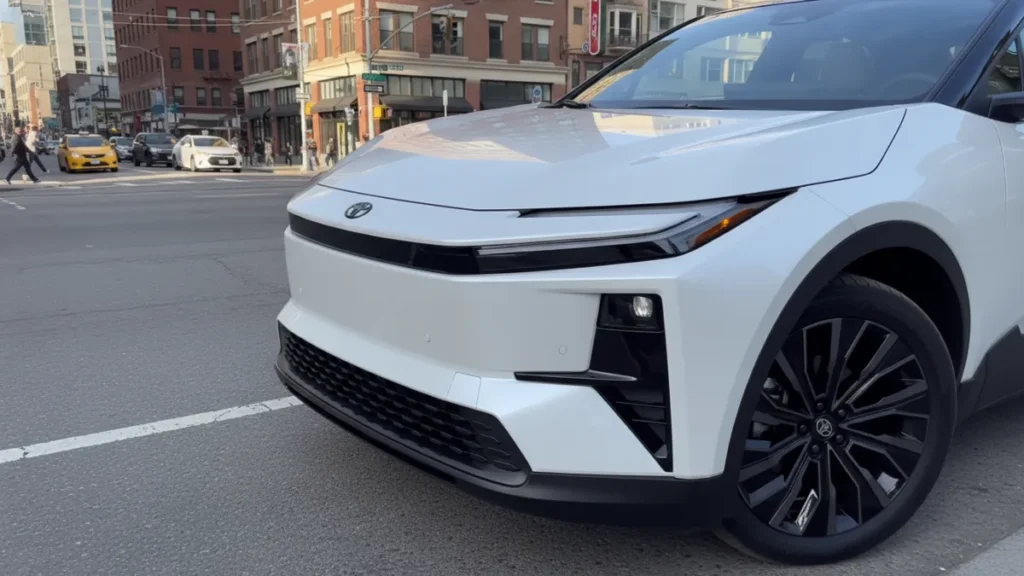
XSE trims have always stood out visually, and the 2026 electric models will be no exception. Expect larger wheels with low-profile tires, blacked-out or contrasting roof options, and signature XSE badging. Aerodynamic improvements will also play a critical role. Sleeker underbody panels, refined air curtains, and sculpted front and rear fascias will enhance both efficiency and aesthetics.
Lighting upgrades are also a hallmark. Thin, high-tech LED daytime running lights, integrated fog lamps, and full-width rear light bars may distinguish the XSE from lower trims. Designers will likely use subtle gloss-black accents instead of heavy chrome, reinforcing the performance-oriented image. In short, XSE trims are expected to look sportier, lower, and more purposeful than base EV versions.
Interior Upgrades for XSE EVs
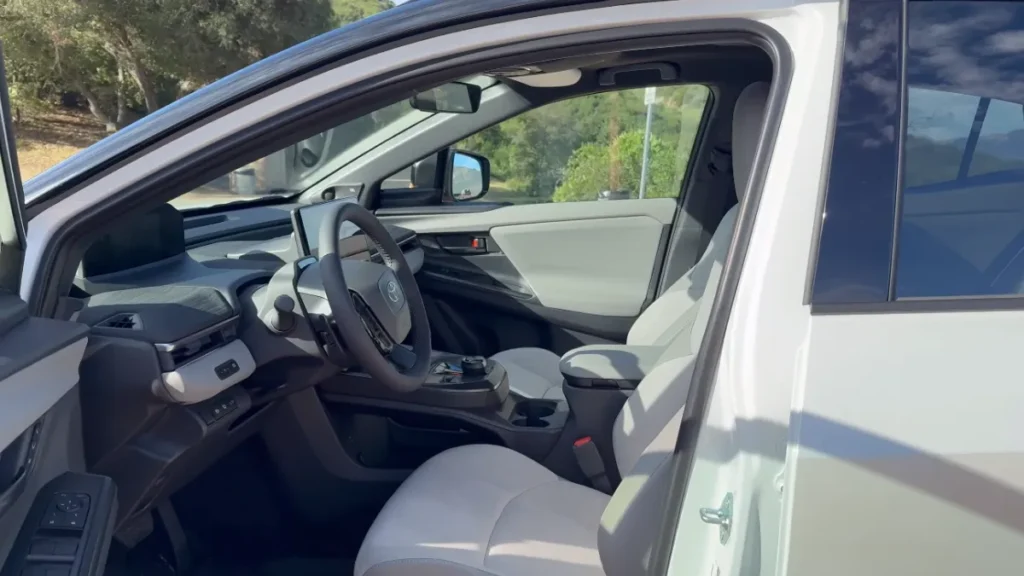
Inside, XSE trims focus on driver engagement and material quality. Expect a slightly angled driver-centric dashboard, premium soft-touch materials, and a flat EV floor that frees up rear passenger space. The absence of a traditional transmission tunnel improves interior openness and makes rear seats more comfortable.
Technology will be central. Large digital displays, likely 12 inches or more, will provide infotainment and instrument cluster functions. Wireless Apple CarPlay and Android Auto integration will be standard, alongside over-the-air software updates that keep EV systems current. Toyota may also include XSE-specific interior accents such as color-stitched seats, metal or piano-black trim, and unique steering wheel designs.
The goal is to create a cabin that feels more engaging than a base EV while remaining accessible to mainstream buyers. Comfort, connectivity, and subtle performance cues combine to reinforce the XSE identity.
Safety and Driver Assistance
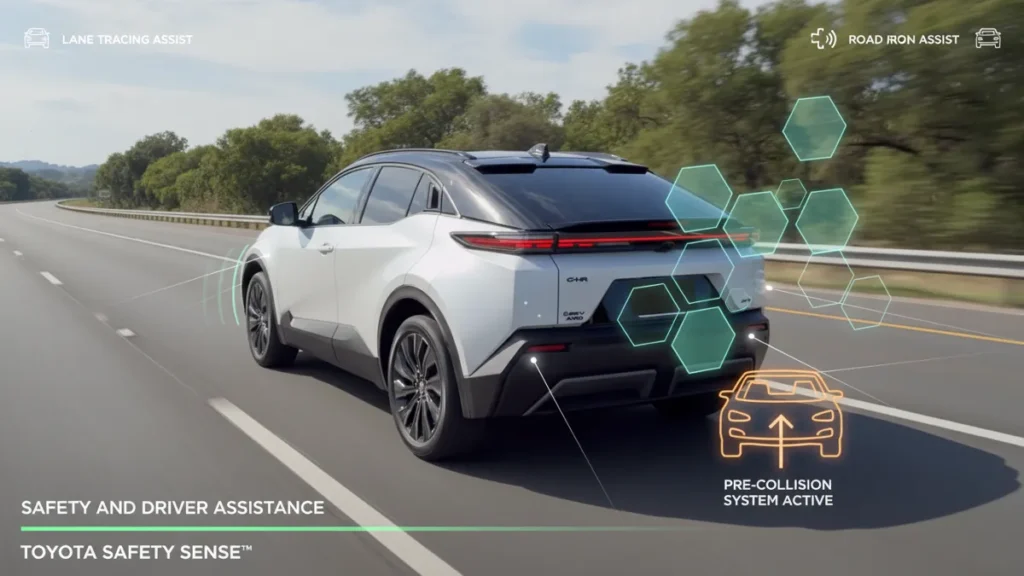
XSE trims are expected to come with the full suite of Toyota Safety Sense 3.0 features. This includes adaptive cruise control, lane centering assist, blind-spot monitoring, and automatic emergency braking. Battery placement within the chassis should improve crash performance and rollover resistance, providing reassurance for family-minded buyers. Final crash ratings will ultimately depend on testing conducted by independent safety organizations such as the Insurance Institute for Highway Safety.
Additional enhancements for XSE trims may include parking assist, a surround-view camera, and enhanced radar sensors for traffic-aware systems. While the exact feature set is unconfirmed, Toyota has historically positioned XSE as a fully loaded trim for safety and convenience.
Pricing Expectations
Toyota C-HR SE
$37,000 Base MSRP
- 287-mile estimated range
- Standard All-Wheel Drive (AWD)
- 14-inch Toyota Audio Multimedia display
- Advanced Toyota Safety Sense suite
Toyota C-HR XSE
$39,000 Base MSRP
- 273-mile estimated range
- 20-inch gunmetal-finished multi-spoke wheels
- Synthetic suede/SofTex®-trimmed seats
- Available fixed-glass panoramic moonroof with power sunshade
With an official starting MSRP of $37,000 for the SE and $39,000 for the XSE, the 2026 Toyota C-HR positions itself competitively within the compact electric SUV segment. The XSE commands a modest premium, justified by its larger wheels, upgraded interior materials, and enhanced styling details. Both SE and XSE trims come standard with All-Wheel Drive (AWD), reinforcing Toyota’s performance-oriented positioning for the C-HR EV lineup.
Federal tax incentives under the Inflation Reduction Act clean vehicle credit guidelines may significantly influence effective cost. Eligibility will depend on North American battery sourcing, potentially lowering the price for buyers in states like California, New York, and Colorado.
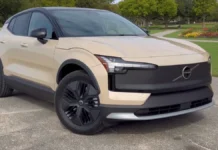
At $39,000, the C-HR XSE remains competitive against rivals such as the Hyundai Kona Electric, Chevrolet Equinox EV, and Volvo EX30, offering a strong balance of sporty styling, technology, and AWD capability.
Expected Range and Charging
Range projections for 2026 XSE electric models place EPA estimates between 240 and 280 miles, depending on pack size and drivetrain configuration. Dual-motor AWD trims may sit slightly lower due to added power consumption, while base FWD models should hit the top end of the range spectrum.
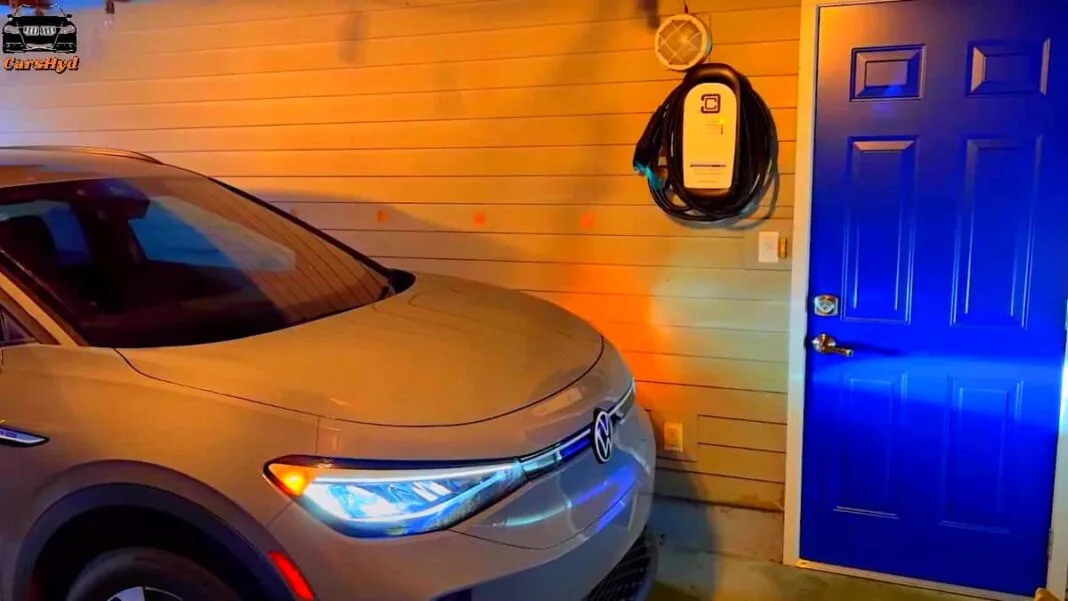
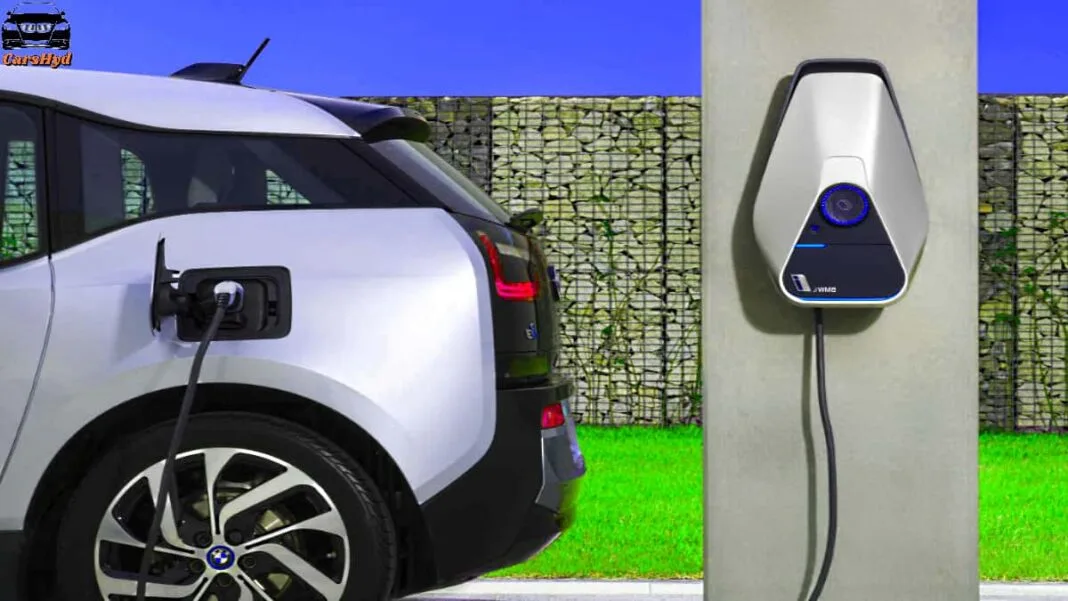
DC fast charging is expected to bring the battery from 10% to 80% in roughly 30–35 minutes, a standard target for compact EVs. Level 2 home charging remains practical overnight, typically replenishing the battery fully within 7–9 hours. Compatibility with the NACS charging standard may also expand long-distance usability through access to Tesla’s Supercharger network via adapters.
Comparing XSE EVs to Lower Trims
Lower trims focus on affordability and efficiency, often sacrificing wheel size, suspension tuning, and interior materials. XSE trims elevate the experience: sharper handling, bolder styling, upgraded tech, and better-equipped cabins.
For buyers seeking performance feel, visual presence, and technology that enhances engagement, the XSE trim is the natural choice. Base trims are likely aimed at entry-level buyers or urban commuters who prioritize cost over sportiness.
Who Should Consider XSE Electric Models
XSE trims are ideal for urban professionals, style-conscious drivers, and first-time EV buyers who want a compact electric SUV with personality. Those seeking responsive acceleration, modern technology, and sport-oriented aesthetics will find Toyota XSE trims appealing.
However, buyers focused on maximum range or family-focused space might look to larger Toyota EVs, such as the bZ4X or upcoming bZ electric crossovers. XSE trims prioritize driving engagement over cargo volume or extreme distance.
Bottom Line
The 2026 Toyota XSE electric models are shaping up to combine Toyota’s reliability, emerging EV technology, and the sporty character the XSE badge promises. Dual-motor AWD variants could deliver 330+ horsepower with instant torque, while FWD versions will still feel lively for daily commuting. Expect sharper styling, upgraded interiors, advanced safety, and tech-forward cabins that keep drivers engaged.
While final specs, range, and pricing remain unconfirmed, the XSE trim is likely to define the upper-tier compact EV segment for Toyota. For broader market comparisons across other makes and models, check out our full collection of car buyer’s guides. Buyers seeking a balance of style, performance, and practicality should keep a close eye on the 2026 XSE electric models, as they may finally deliver the performance-oriented EV Toyota enthusiasts have been waiting for.