




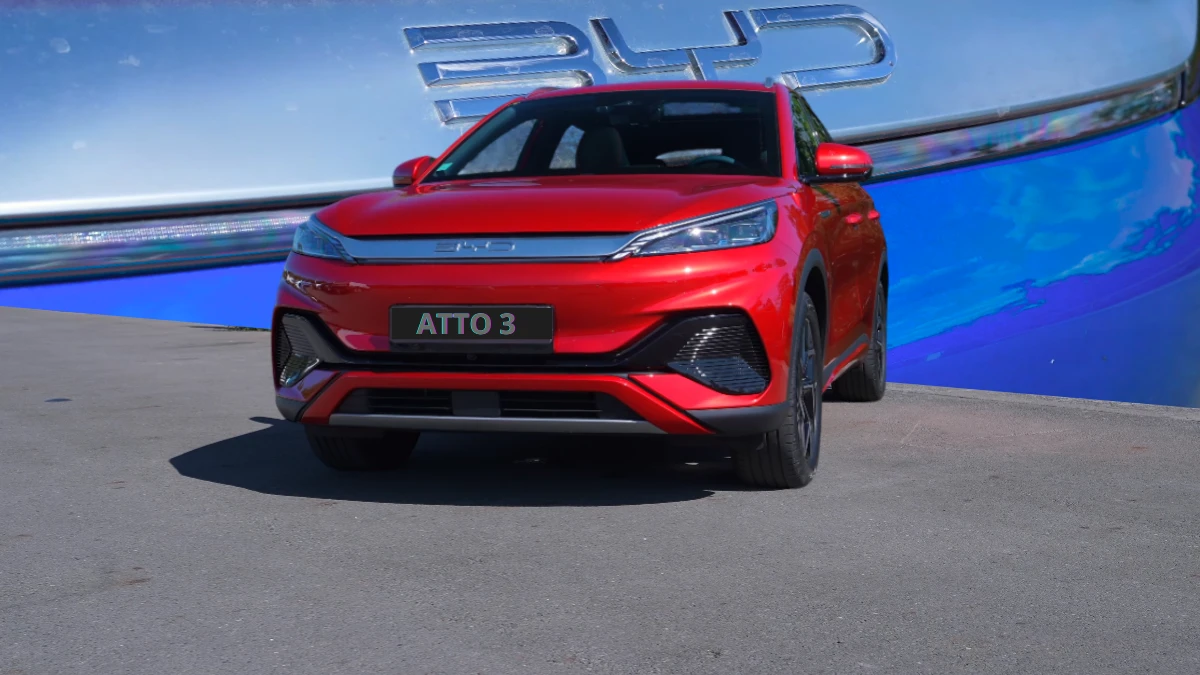
Why 2026 Is a Defining Year for the BYD Atto 3
In the early days of the EV boom, standing out was easy. Competitive pricing, a bold design, or a new battery concept was often enough to attract attention, but by 2026, that era is over.
Today’s electric vehicle market is crowded, mature, and far less forgiving. Buyers are no longer asking what looks interesting on paper; they want to know what still makes sense after a year of ownership, after thousands of miles, and after a few brutal summers.
The BYD Atto 3 sits right in the middle of that reality check. Once praised as a disruptive alternative to established brands, the Atto 3 now faces a different challenge. Updated Tesla Model Ys offer better efficiency and software, Hyundai’s electric lineup feels more refined than ever, and even newer Chinese rivals are beginning to raise the bar.
So the question has changed: is the BYD Atto 3 still a smart buy in 2026, or has it quietly aged out of relevance?
This review looks beyond launch impressions and spec sheets. It focuses on how the Atto 3 actually lives day to day, how it handles heat, software aging, interior wear, charging routines, and the kind of small frustrations or satisfactions that only appear after real ownership.
Not hype, not brand loyalty, just the reality of living with the car in 2026.
What the BYD Atto 3 Represents in 2026
The Atto 3 continues to occupy a very specific position in the market:
- A value-oriented compact electric SUV
- A practical urban and suburban EV
- A safety-focused vehicle built around LFP battery chemistry
- A budget-conscious alternative — not a premium benchmark
In 2026, this positioning matters more than ever. Buyers are increasingly aware that price alone is no longer enough. Ownership satisfaction, software reliability, charging convenience, and long-term usability define value far more than initial cost.
The Atto 3 does not try to be a Tesla. It does not chase performance numbers or gaming-grade infotainment. Instead, it presents itself as a rational EV — one designed to transport people reliably, safely, and affordably.
For some buyers, that philosophy is refreshing. For others, it feels dated.
Daily Driving Experience After Extended Ownership
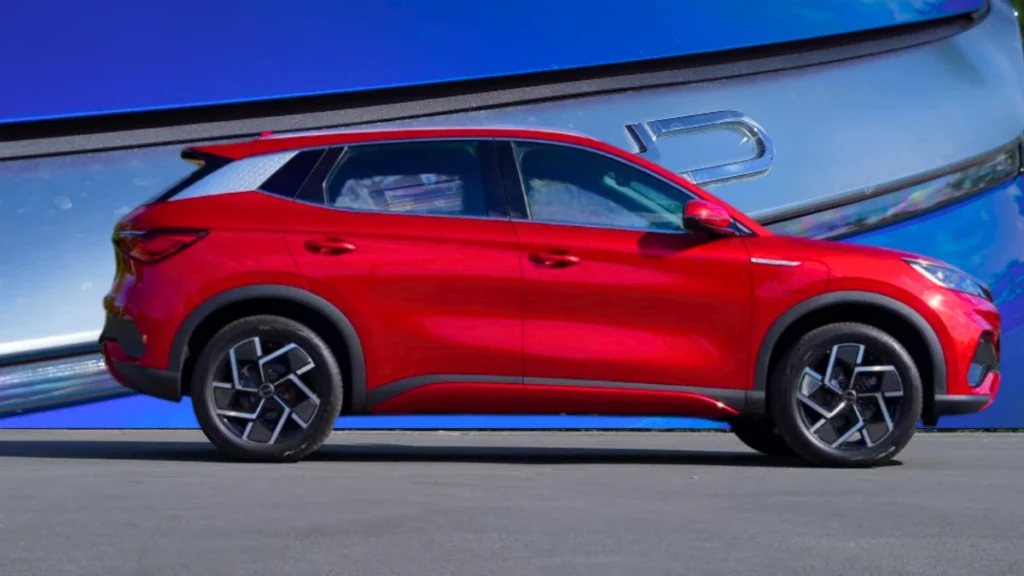
In everyday use, the BYD Atto 3 remains a competent and easy vehicle to live with.
City driving is where the Atto 3 feels most at home. The instant torque delivery, light steering, and compact footprint make it well-suited for urban traffic, parking, and short commutes. Owners consistently describe the driving experience as calm and predictable rather than exciting.
Ride comfort at low to moderate speeds is generally good, absorbing most road imperfections without drama. For drivers transitioning from internal combustion vehicles, the Atto 3 feels immediately familiar and unintimidating.
However, extended highway driving reveals some of the car’s limitations. At higher speeds, road noise becomes more noticeable, and the suspension feels less composed over rough pavement compared to more refined competitors. While it is not uncomfortable, it lacks the polish expected from higher-priced EVs.
This reinforces the Atto 3’s identity: it is optimized for daily practicality, not long-distance cruising.
Real-World Range Performance in Hot Climates
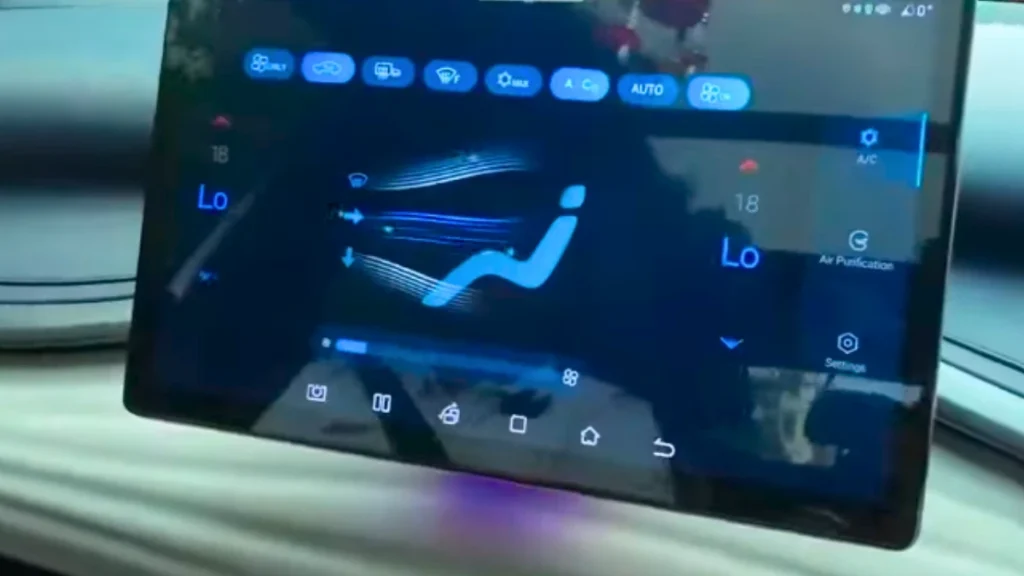
Range remains one of the most critical factors for EV buyers, especially in regions with high ambient temperatures.
The BYD Atto 3 uses Lithium Iron Phosphate chemistry through its proprietary Blade Battery. From a safety and durability standpoint, this is one of its strongest advantages. LFP batteries are inherently more stable, less prone to thermal runaway, and generally more tolerant of frequent charging.
However, efficiency is a separate discussion.
In real-world hot-weather conditions, owners report a noticeable reduction in usable range. Heavy air conditioning use, sustained highway speeds, and elevated battery temperatures combine to produce a range drop of approximately 15 to 20 percent compared to EPA estimates.
Independent summer testing in extreme temperatures confirms these results, especially during highway driving and prolonged HVAC use, as shown in our BYD Atto 3 real range in hot weather analysis.
The vehicle remains usable, and the battery does not exhibit abnormal degradation, but the Atto 3 is clearly not class-leading in efficiency. Competitors such as the Tesla Model Y manage thermal energy more effectively, maintaining stronger highway range consistency.
For city-focused drivers, this limitation is manageable. For those planning frequent long-distance travel in hot climates, it becomes a meaningful drawback.
Technical reviewers highlight the effectiveness and safety of the Atto 3’s Blade battery design, which arranges cells to improve cooling efficiency and reduce risk of thermal runaway, a feature seen as a strength in real-world usage.
Software Experience and the Growing Technology Gap
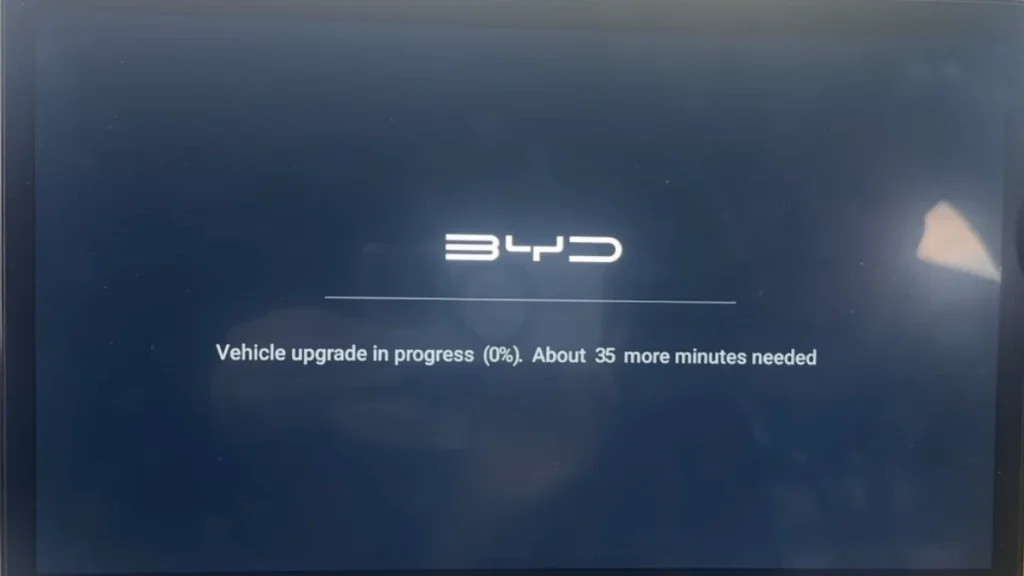
One of the most discussed weaknesses of the BYD Atto 3 in 2026 is its software ecosystem.
The infotainment system functions adequately, but it feels dated compared to rivals. Owners report occasional lag, slower response times, and a user interface that lacks the intuitive polish seen in Tesla or Hyundai systems. Many of these shortcomings only become noticeable after several months of daily use rather than during short test drives, as highlighted in our analysis of BYD Atto 3 problems after one year. Over-the-air updates exist, but they arrive less frequently and tend to deliver incremental improvements rather than transformative upgrades.
This creates what can best be described as a “software-defined gap.”
While the mechanical and electrical components of the Atto 3 remain robust, the digital experience does not evolve at the same pace as the broader EV market. For buyers who treat an EV as a tech platform, this can become frustrating over time.
For buyers coming from traditional gasoline vehicles, the software limitations are far less disruptive. Expectations matter greatly here.
Interior Quality and Long-Term Cabin Durability
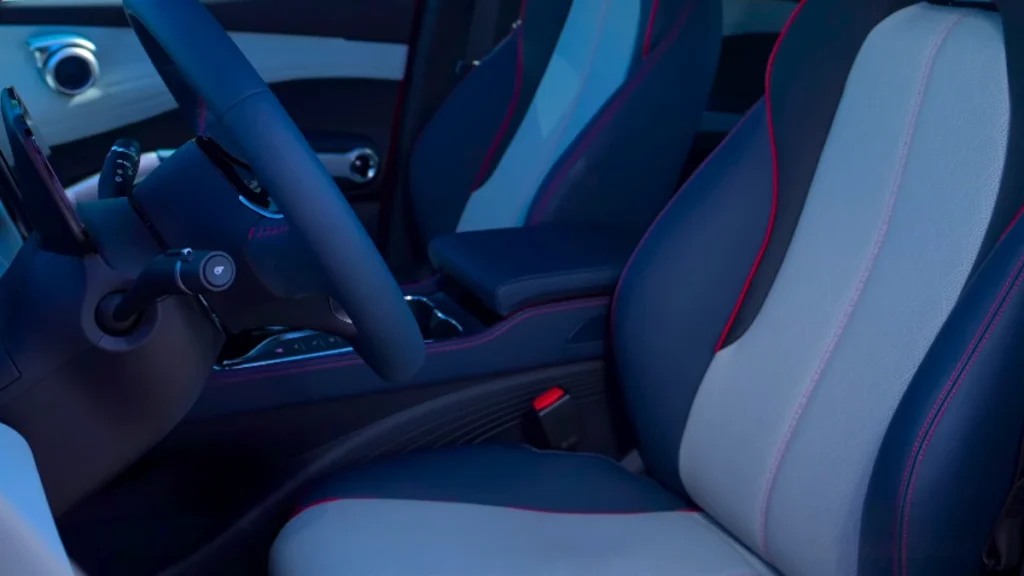
The Atto 3’s interior was one of its most talked-about features at launch, thanks to its bold design elements and unconventional materials.
After extended ownership, opinions become more mixed.
The seats generally hold up well, offering decent comfort for daily driving. However, high-touch surfaces tell a different story. Glossy plastics scratch easily, and some trim elements show wear sooner than expected. The playful interior design, while distinctive, does not age as gracefully as more conservative cabins found in competitors like the Hyundai Kona Electric.
Minor rattles may develop over time, particularly in warmer climates where materials expand and contract more aggressively. These issues are not severe, but they reinforce the impression that the Atto 3 is engineered to meet a price target rather than exceed expectations.
Again, this is not unusual in the value EV segment — but it is noticeable.
Charging Experience and Ownership Practicality
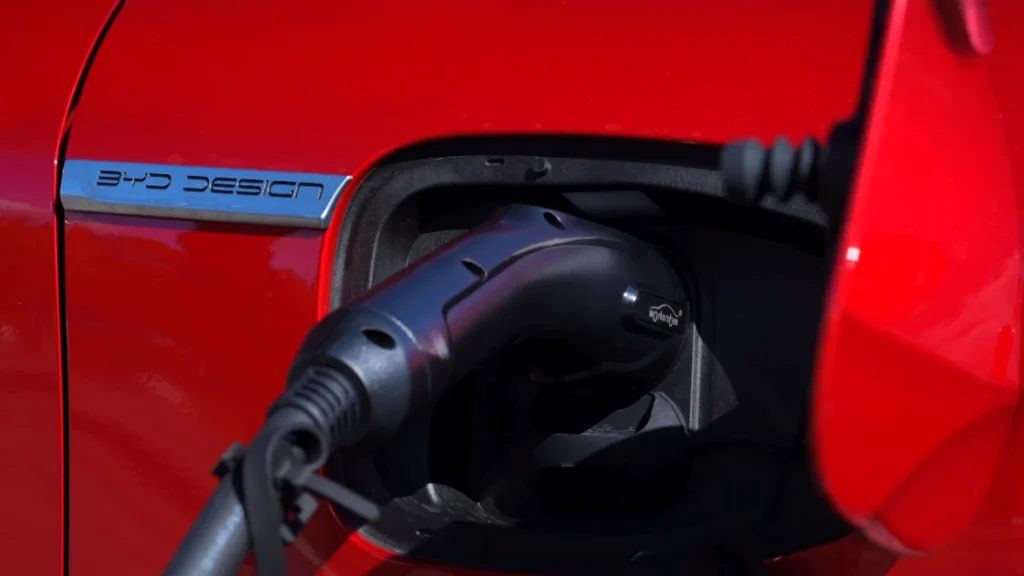
Charging behavior remains one of the Atto 3’s more predictable traits.
The vehicle charges reliably and consistently, with no widespread reports of battery-related failures. The Blade Battery’s safety record continues to inspire confidence, especially among buyers concerned about thermal stability.
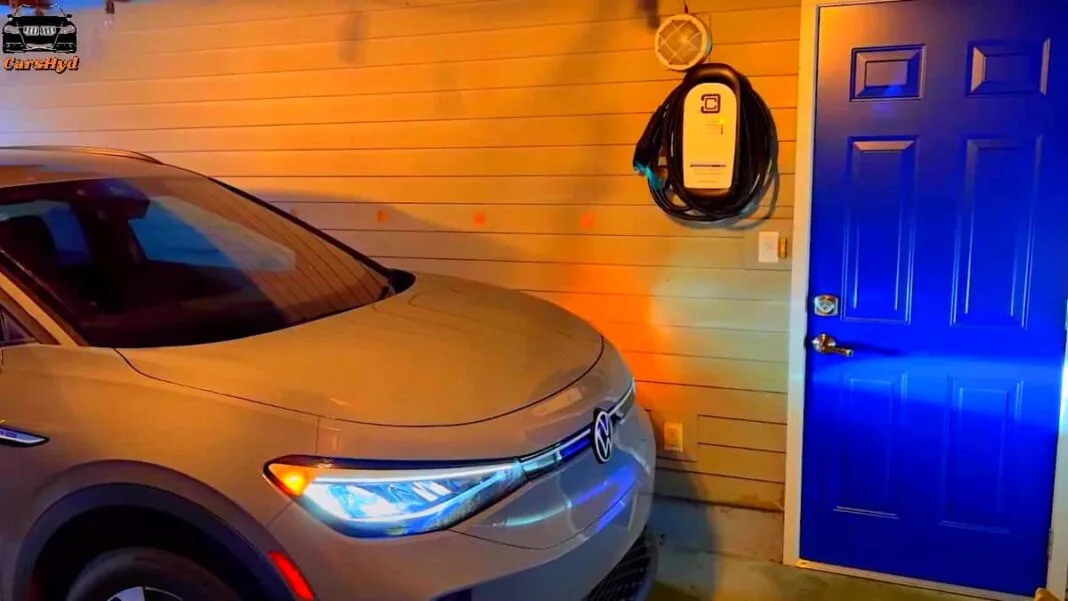
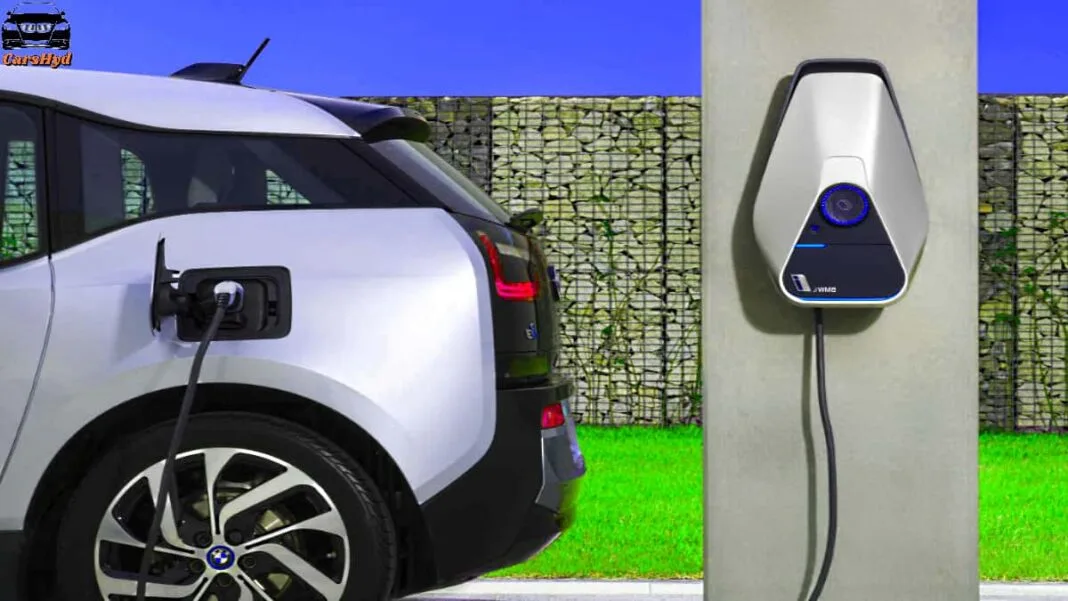
That said, charging speeds are not competitive with the fastest EVs on the market. While acceptable for overnight home charging and routine public charging, the Atto 3 is not ideal for frequent fast-charging road trips.
Public charging experience also varies significantly by region, particularly in the United States, where service coverage and infrastructure access remain uneven for BYD vehicles.
Independent testing from Auto Express confirms the Atto 3’s five-star Euro NCAP safety rating and strong safety features, though dealer coverage and long-term reliability data are still developing.
Pros and Cons of Buying the BYD Atto 3 in 2026
Pros
- Competitive pricing in the compact EV SUV segment
- Strong battery safety and durability reputation
- Comfortable and easy to drive in urban environments
- Low maintenance requirements
- Solid feature list relative to cost
Cons
- Software and infotainment lag behind competitors
- Interior materials show wear over time
- Real-world range drops in hot climates
- Not optimized for long highway journeys
- Limited service coverage in some U.S. regions
Competitive Comparison in 2026
BYD Atto 3 vs Tesla Model Y
The comparison with the Tesla Model Y highlights the Atto 3’s core trade-off.
The Atto 3 offers better upfront value and a strong safety-oriented battery platform. The Model Y, however, delivers superior software integration, charging infrastructure access, resale value, and long-term ecosystem support.
In simple terms, the Atto 3 is cheaper to buy, but the Model Y offers a more refined ownership experience over time.
BYD Atto 3 vs Hyundai Kona Electric
Against the Hyundai Kona Electric, the Atto 3 presents a more modern dedicated EV platform. However, the Kona feels more refined in terms of software stability and interior durability.
The Kona also benefits from a longer ownership track record in the U.S., which translates into greater buyer confidence regarding service and resale.
Who Should Buy the BYD Atto 3 in 2026
Buy the Atto 3 if you:
- Prioritize affordability over premium features
- Drive primarily in city or suburban environments
- Value battery safety and simplicity
- Can tolerate occasional software quirks
- Do not rely heavily on fast public charging
Real‑world testing by a government-backed EV program showed that many electric vehicles, including the BYD Atto 3, can fall significantly short of advertised range claims under typical driving conditions, highlighting the importance of real usage data.
Skip the Atto 3 if you:
- Expect a premium interior experience
- Drive long highway distances frequently
- Want cutting-edge infotainment and OTA updates
- Depend on extensive U.S. service networks

Final Verdict: Is the BYD Atto 3 Worth Buying in 2026?
Yes — but only if you understand exactly what you are buying.
The BYD Atto 3 in 2026 is not outdated, but it is no longer impressive in the way it once was. It feels like a car designed with a clear ceiling in mind — and in many areas, it has reached it.
For everyday urban driving, it remains easy, predictable, and relatively stress-free. The Blade Battery continues to be a genuine strength, especially for buyers who prioritize safety and long-term durability over maximum range or charging speed. Maintenance costs are low, and nothing about the ownership experience feels fragile or experimental.
At the same time, the cracks are visible.
The software feels behind the curve. Interior materials remind you where cost savings were made. Real-world efficiency, especially in hot climates, fails to match the best in the segment. None of these issues are deal-breakers on their own, but together they define the Atto 3’s limits.
This is not a Tesla alternative. It is not a tech-forward statement car. It is a practical electric SUV for buyers who value price stability, battery safety, and simplicity more than polish or prestige.
For the right owner, the Atto 3 still makes sense in 2026.
For buyers chasing the most refined EV experience available, it probably does not.
In a market filled with ambition and marketing noise, the BYD Atto 3 offers something quieter and more honest. It does not try to lead the segment anymore. It simply tries to be good enough — and for a certain kind of buyer, that is still enough.
FAQ
Major mechanical issues are rare, but software and interior wear concerns exist.
It remains usable, but heat reduces efficiency and real-world range.
BYD is strong globally, but U.S. service and support are still expanding.
It’s acceptable for occasional trips, but not ideal compared to rivals.
Resale value is still uncertain due to brand perception in the U.S.