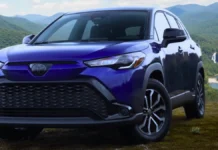




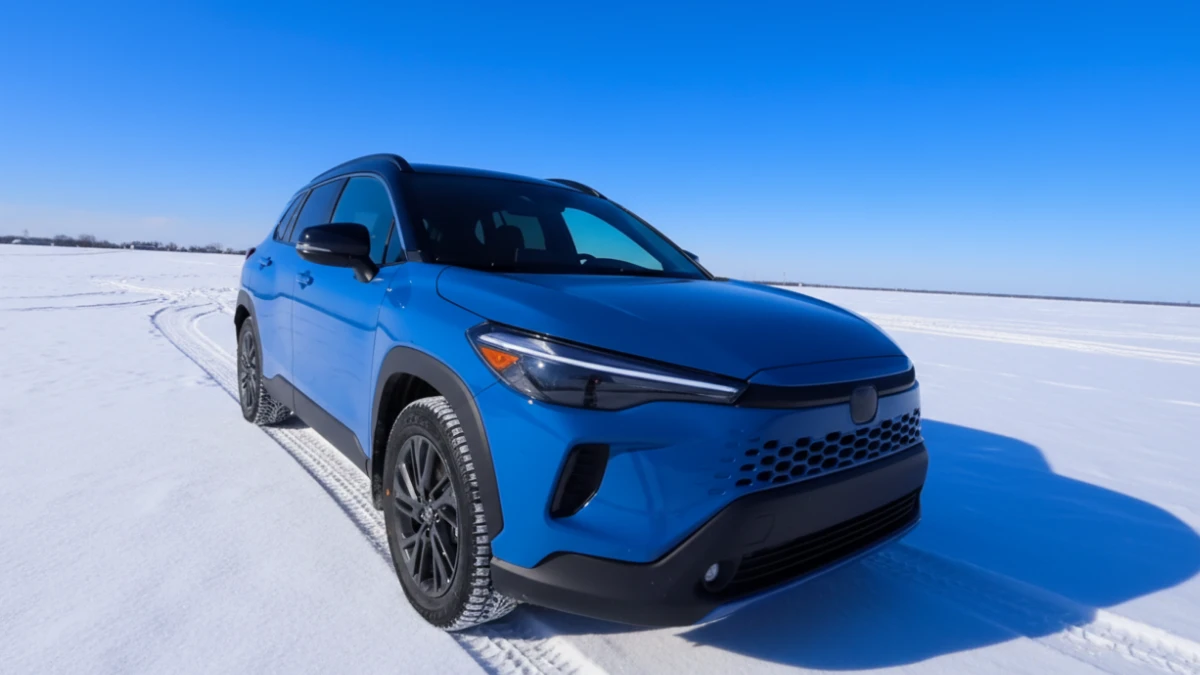
The Toyota Corolla Cross Hybrid has quietly become one of those SUVs that buyers choose for sensible reasons, only to find themselves enjoying it far more than expected. For 2026, Toyota is not attempting to reinvent the model. Instead, it is refining it carefully. The 2026 Toyota Corolla Cross Hybrid is expected to enhance the strengths of the current model with subtle updates, improved technology, and a continued emphasis on fuel efficiency, practicality, and long-term reliability.
As the market for compact hybrid SUVs grows increasingly competitive, buyers are asking sharper questions. What is actually new for 2026? Has Toyota made improvements to efficiency or performance? Should you wait for the 2026 model, or is the current version still the smarter choice? This preview provides a detailed look at the expected changes for the 2026 Corolla Cross Hybrid, including the powertrain, MPG figures, dimensions, interior technology, safety features, and pricing for the U.S. market.
If you are considering a small hybrid SUV that balances real-world efficiency with everyday usability—and want to determine whether the 2026 Corolla Cross Hybrid is worth the wait—this guide will help you make a confident decision.
Table of contents
What’s New for 2026
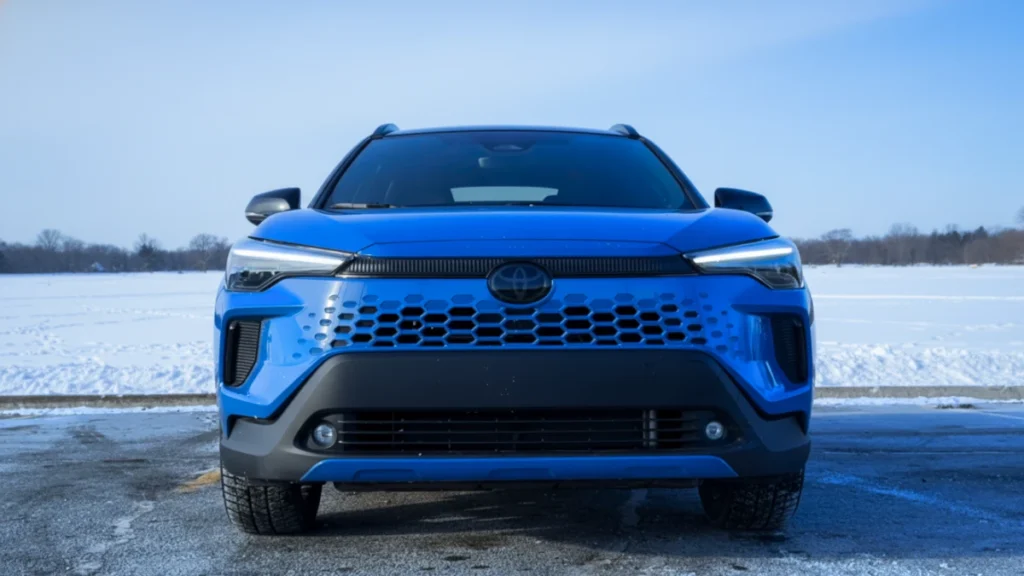
Toyota isn’t pulling a dramatic mid-cycle makeover for the Corolla Cross Hybrid in 2026—and honestly, that’s not a bad thing. Instead, the updates appear to be evolutionary, focused on polishing what already works rather than fixing something broken. For buyers, that usually translates into fewer surprises and a more refined day-to-day experience.
For 2026, the Corolla Cross Hybrid is expected to receive minor exterior and trim-level tweaks, likely in the form of updated color options, revised wheel designs, and small detail changes to keep the model visually current. Toyota tends to refresh these elements quietly, especially on high-volume models, and the Corolla Cross fits that pattern perfectly.
Inside, the biggest changes are expected to center around technology and usability. Toyota has been steadily rolling out updated infotainment software across its lineup, and the 2026 Corolla Cross Hybrid should benefit from a more responsive interface, improved smartphone integration, and potentially expanded standard features on lower trims. These aren’t headline-grabbing upgrades, but they matter in daily driving—especially for buyers coming from older vehicles.
On the mechanical side, don’t expect radical changes. The hybrid system itself is expected to carry over largely unchanged, which is good news. Toyota’s current hybrid setup is proven, efficient, and known for long-term reliability. Any tweaks for 2026 are more likely to focus on calibration and efficiency gains rather than outright increases in power.
Powertrain & MPG
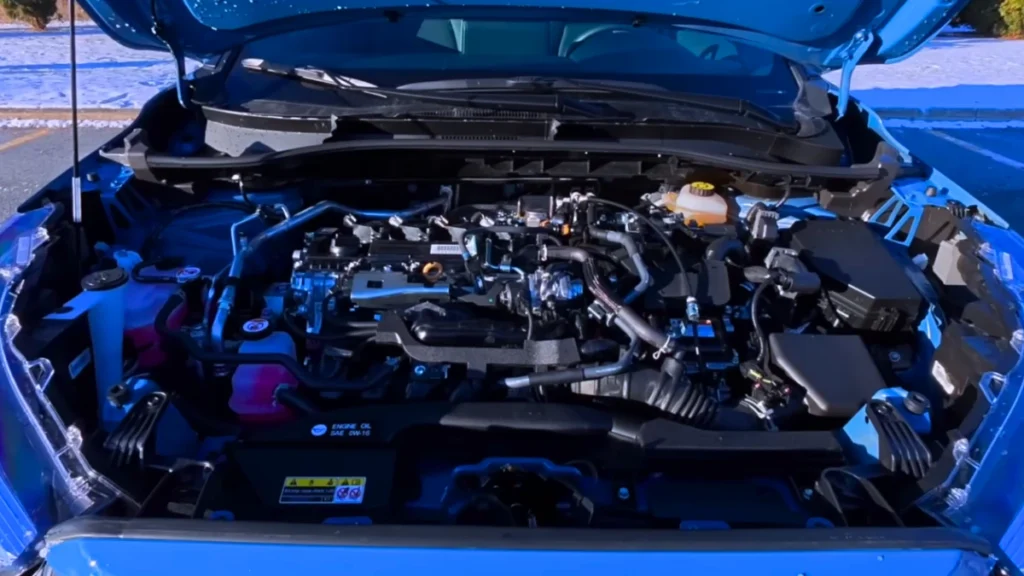
Toyota is unlikely to mess with the formula that already works, and that’s exactly what we expect for the 2026 Corolla Cross Hybrid. The hybrid powertrain should carry over largely unchanged, pairing a gasoline engine with electric motors in Toyota’s familiar self-charging hybrid setup. It’s the same philosophy Toyota has refined over decades: smooth operation, low stress on components, and efficiency that holds up in real-world driving—not just on a spec sheet.
Under the hood, the Corolla Cross Hybrid is expected to continue using a 2.0-liter four-cylinder engine working alongside electric motors, delivering a combined output of around 196 horsepower. That figure doesn’t make the Corolla Cross Hybrid feel sporty, but it’s more than adequate for daily driving, highway merging, and light family-duty use. Throttle response tends to be immediate at low speeds thanks to the electric assist, which is where this hybrid system feels most at home.
Fuel economy remains the headline feature. Based on the current model and Toyota’s typical update cycle, the 2026 Corolla Cross Hybrid MPG figures should stay in the low-to-mid 40 mpg range combined, with city driving benefiting the most from the hybrid system. In stop-and-go traffic, the Corolla Cross Hybrid consistently outperforms non-hybrid rivals, and that’s where owners see the biggest real-world savings at the pump.
Toyota may introduce minor efficiency tweaks for 2026—often through software calibration rather than hardware changes—but don’t expect dramatic jumps in MPG. Instead, the focus is on consistency and predictability, two traits Toyota hybrid owners value highly. For buyers looking for a compact SUV that prioritizes fuel savings without sacrificing everyday usability, the Corolla Cross Hybrid’s powertrain remains one of its strongest selling points.
Specs & Dimensions
The 2026 Toyota Corolla Cross Hybrid keeps the compact SUV formula that makes it so practical for everyday life. One of the first things many buyers notice is ground clearance—Toyota hasn’t dramatically changed it for the new model year. Expect roughly 8 inches of clearance, which is enough to handle rough city streets, speed bumps, and light gravel or dirt roads without feeling unstable. It’s not an off-roader, but it’s comfortable for suburban and urban driving.
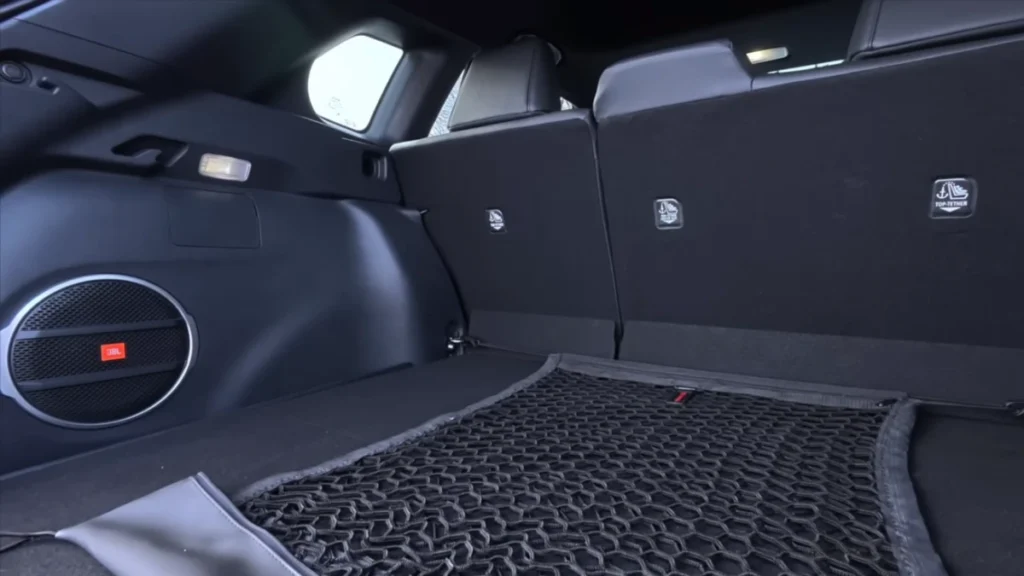
Cargo space remains another strong suit. The rear cargo area is thoughtfully laid out, with about 25 cubic feet behind the second row, expanding to nearly 66 cubic feet with the seats folded down. That makes the Corolla Cross Hybrid surprisingly versatile for a compact SUV, easily accommodating groceries, sports gear, or a weekend trip’s worth of luggage. The flat load floor and wide opening make loading bulky items easier, and Toyota continues to offer clever storage compartments throughout the cabin.
When it comes to towing capacity, the Corolla Cross Hybrid isn’t built for heavy trailers, but it can handle light loads. Toyota officially rates the towing at around 1,000 pounds, enough for a small utility trailer or a couple of jet skis, though most owners will use it primarily for bikes, kayaks, or a lightweight cargo setup. The combination of manageable dimensions, decent clearance, and versatile cargo space keeps the Corolla Cross Hybrid practical without overwhelming drivers with the bulk of a larger SUV.
Interior, Tech & Safety
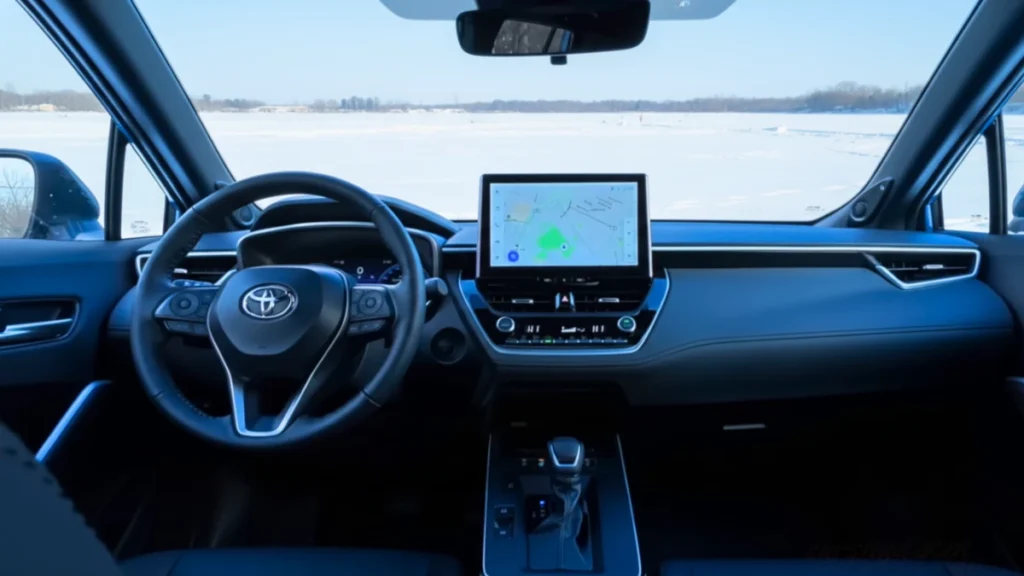
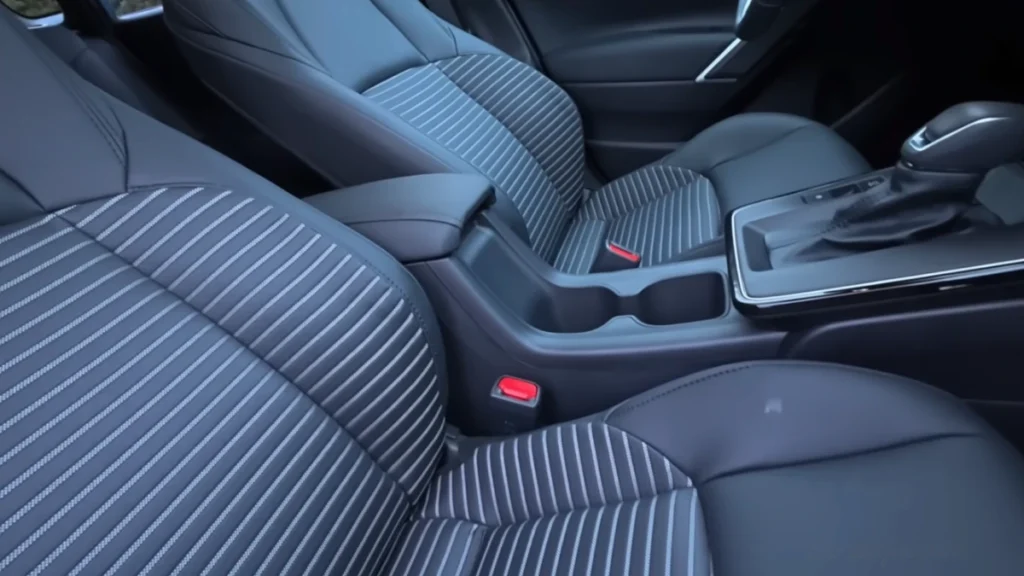
Step inside the 2026 Toyota Corolla Cross Hybrid, and you immediately notice that Toyota has focused on practicality and thoughtful design rather than flashy gimmicks. The cabin remains spacious for a compact SUV, with comfortable seating for five adults and enough headroom and legroom to avoid feeling cramped. Materials are solid and durable, though not luxurious—the focus is on functionality and longevity, which suits a hybrid SUV aimed at daily drivers and small families.
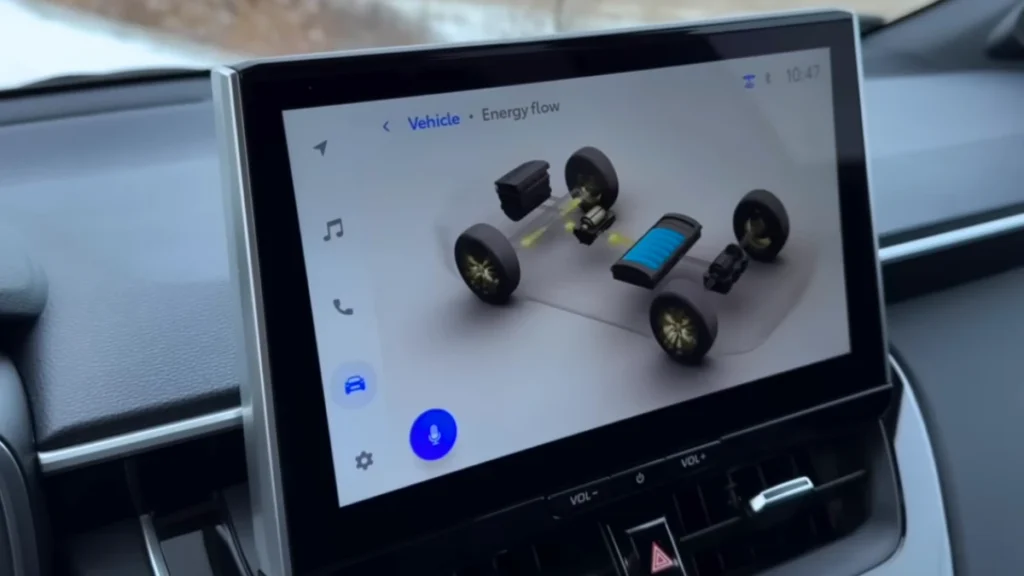
Technology takes a subtle step forward for 2026. Expect an updated infotainment system with a sharper touchscreen, improved responsiveness, and smoother integration with Apple CarPlay and Android Auto. Standard across most trims, it provides quick access to navigation, media, and vehicle information. Higher trims may see additional features like wireless charging and a premium audio system, giving a more upscale feel without straying too far from the practical ethos of the model.
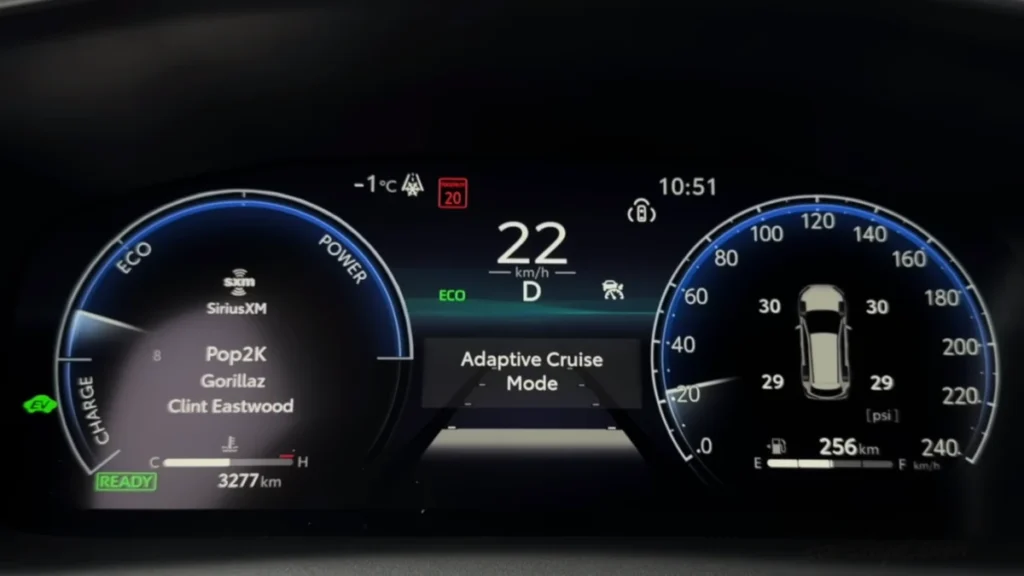
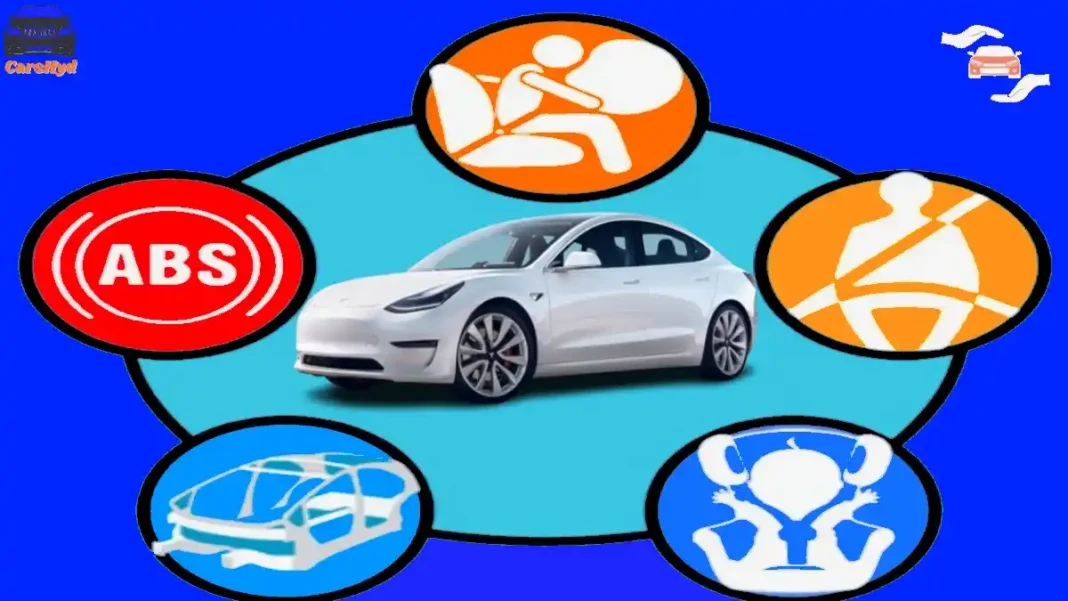
Safety remains a strong selling point. The Corolla Cross Hybrid continues to perform well in IIHS testing, earning top scores in crashworthiness and front crash prevention. Toyota’s Safety Sense suite—including adaptive cruise control, lane departure alert, automatic emergency braking, and pedestrian detection—remains standard, providing peace of mind for drivers and families alike.
Toyota also offers a range of accessories for the Corolla Cross Hybrid, from cargo organizers and all-weather floor mats to roof racks and bike carriers. While these don’t redefine the vehicle, they enhance convenience and usability, allowing owners to tailor the SUV to their specific lifestyle needs.

Price, Release Date & Availability
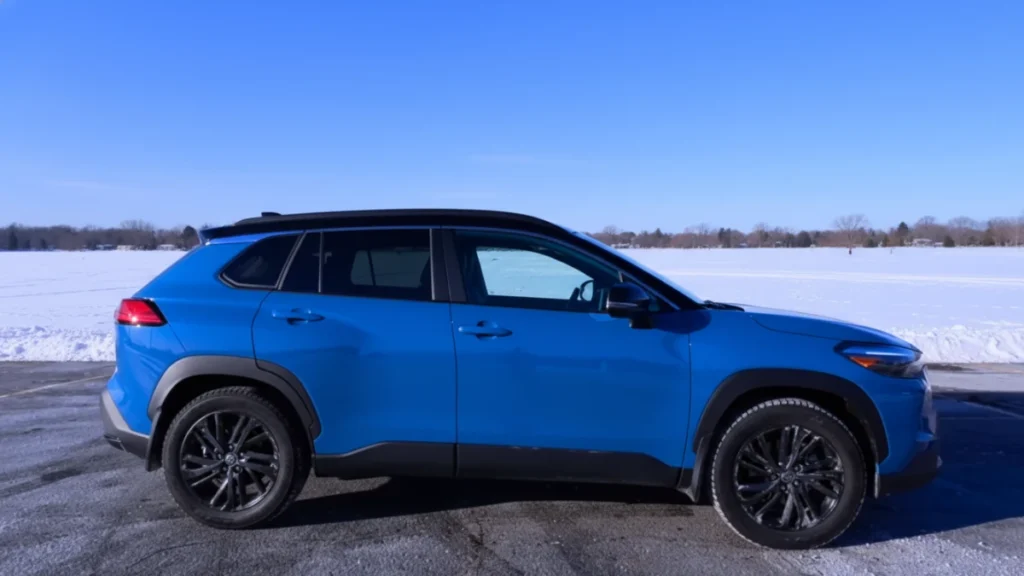
Toyota has now released estimated pricing for the 2026 Corolla Cross Hybrid, with the SE AWD starting at around $39,000 and the better-equipped XSE AWD reaching just over $42,000. That keeps it competitive within the compact hybrid SUV segment, especially considering the standard all-wheel-drive hybrid system. Buyers get strong fuel efficiency, modern tech, and practical versatility without stepping into luxury SUV pricing. Optional packages and premium features can raise the final price, but the Corolla Cross Hybrid still maintains the strong value proposition that has made it so popular.
As for availability, Toyota is aiming for a late 2025 to early 2026 launch, depending on the region and dealership supply. Given supply chain realities and continued demand for hybrids, there may be some waiting lists at certain dealerships, especially in markets where compact SUVs are in high demand. Early adopters who want the newest features will likely benefit from placing a reservation or monitoring their local dealer’s pre-order window.
Dealers may also run promotions or incentives closer to the official release, but it’s worth noting that the Corolla Cross Hybrid has historically sold briskly without heavy discounts, so buyers shouldn’t expect deep deals immediately upon launch. Planning ahead, doing research, and checking local inventory will be key to securing the 2026 model as soon as it hits showrooms.
2026 Toyota Corolla Cross Hybrid Pricing by Trim Level
Corolla Cross Hybrid SE AWD
$39,276.92 Starting MSRP
- Hybrid AWD system
- Automatic transmission
- Weekly lease: $120.22
- 60-month term @ 6.89%
Corolla Cross Hybrid XSE AWD
$42,101.92 Starting MSRP
- Hybrid AWD system
- Automatic transmission
- Weekly lease: $128.51
- 60-month term @ 6.89%
Should You Buy or Wait?
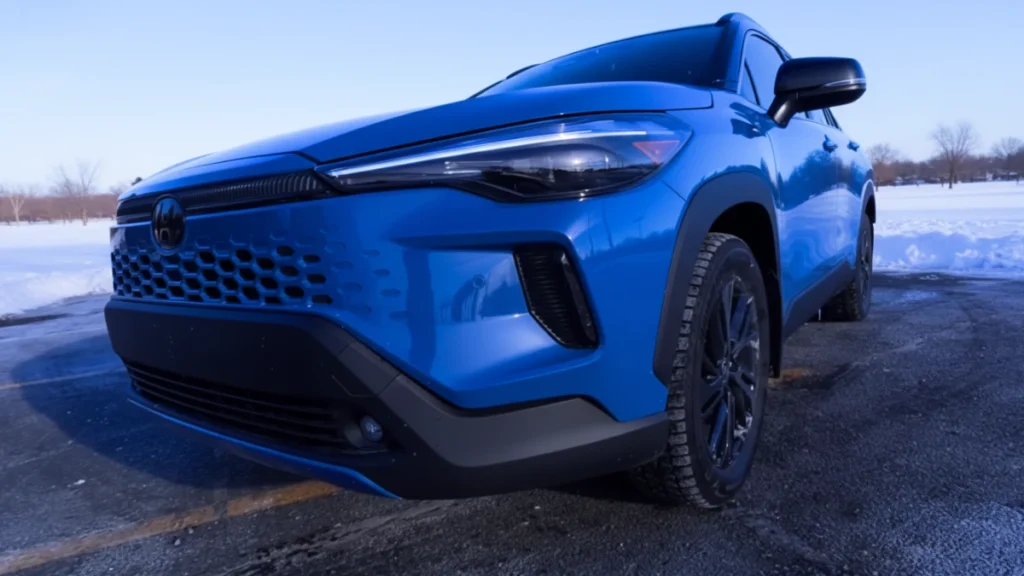
If you’re in the market for a compact hybrid SUV right now, the question on many buyers’ minds is simple: should I wait for the 2026 Corolla Cross Hybrid, or stick with the current 2025 model? The answer really depends on your priorities.
The 2025 Corolla Cross Hybrid is a solid, proven option. It delivers reliable fuel efficiency, a comfortable interior, and Toyota’s full suite of safety features. If you need a vehicle immediately, it’s hard to go wrong choosing the 2025 model. You can check out our full review of the previous model review here, which dives deeper into real-world MPG, driving impressions, and the minor updates that distinguish it from earlier models.
On the other hand, the 2026 model promises incremental improvements, mainly in tech, infotainment, and slight refinements to styling and features. If you’re not in a rush and want the newest available updates—especially if updated tech or minor efficiency tweaks matter to you—waiting for the 2026 release might make sense.
Ultimately, both options are strong. It comes down to whether you value immediate ownership or prefer to have the latest model with small but meaningful updates.
Pros, Cons & Key Takeaways
Pros
- Excellent fuel economy in the 40+ mpg range
- Standard all-wheel drive on all hybrid trims
- Proven and reliable Toyota hybrid powertrain
- Practical cargo space for a compact SUV
- Strong safety ratings and standard driver-assist features
Cons
- No major performance upgrades for 2026
- Interior materials are practical rather than premium
- Limited towing capacity compared to some rivals
- Minimal design changes may feel too conservative
Key Takeaways
- The 2026 Corolla Cross Hybrid focuses on refinement rather than major changes
- Expected MPG remains one of the best in the compact hybrid SUV class
- Standard AWD gives it an advantage over some competitors
- Pricing starts around $39,000 for the SE AWD trim
- A smart choice for buyers prioritizing efficiency, reliability, and everyday practicality
Final Verdict
The 2026 Toyota Corolla Cross Hybrid doesn’t try to reinvent the compact SUV formula—it simply refines what already works. With strong fuel efficiency, standard all-wheel drive, practical cargo space, and updated technology, it remains one of the most balanced choices in the hybrid SUV segment.
For buyers who value reliability, low running costs, and everyday usability, the Corolla Cross Hybrid continues to deliver exactly what most drivers need. Whether you choose the current model or wait for the 2026 version, it stands out as a smart, efficient, and dependable compact hybrid SUV.
FAQs
Late 2025 to early 2026, depending on dealerships.
Starting at $39,000, higher trims reach the low $42,000s.
Expected around 40–42 mpg combined, similar to the 2025 model.
No major changes; engine and electric motors remain largely the same.
About 25 cubic feet behind the rear seats, nearly 66 with seats folded.
If you want updated tech and minor refinements, yes; otherwise the 2025 model is still excellent.
Yes, it retains top IIHS ratings and standard Toyota Safety Sense features.
Light towing only, around 1,000 pounds max.