


Last Updated:
The demand for premium electrified vehicles is skyrocketing across the United States as American drivers look to balance high performance, commanding road presence, and forward-thinking sustainability. As 2026 gets underway, global automakers have advanced their engineering, presenting an impressive array of family haulers and performance crossovers that combine cutting-edge technology, eco-friendly powertrains, and the plush amenities you expect from a premium brand. But with an influx of new options, how do you determine which layout matches your lifestyle?
In this definitive guide, we will dive deep into the best luxury hybrid SUVs establishing benchmarks for 2026. We will contrast the marketplace’s top models, break down real-world technical data, and evaluate interior technology, pricing structures, and raw utility value. Whether you are specifically cross-shopping a reliable Lexus hybrid or looking to invest in a long-range plug-in vehicle, this exhaustive review will empower you to make an investment that elevates your driving routine.
Table of contents
What Makes a Luxury Hybrid SUV the Best Choice in 2026?
Modern luxury hybrid SUVs are no longer niche compliance cars built solely for fuel conservation. In 2026, they represent the absolute peak of automotive engineering, merging performance metrics with eco-conscious operation. By pairing conventional combustion power plants with dynamic electric motor configurations, luxury brands have created machines that out-accelerate older V8 alternatives while offering near-silent operation in city driving environments.
Key Features of the Best Luxury Hybrid SUV
When selecting your next high-end electrified platform, focus on these defining structural pillars:
- Intelligent Drivetrain Flexibility: Drivers choose between Traditional Hybrids (HEVs) that capture energy via regenerative braking without plug requirements, and Plug-in Hybrids (PHEVs) that provide designated electric ranges. Selecting the best match lets you bypass public infrastructure while drastically lowering emissions during short commutes. Many luxury hybrid models offer impressive efficiency that offsets initial costs.
- Instantaneous Torque and Power Delivery: Electric motors excel by producing maximum torque instantly from a complete stop. When combined with turbocharged gas engines, these SUVs achieve immediate throttle response, confidently pulling heavy loads or passing at highway speeds without transmission hesitation.
- Premium Craftsmanship: These high-tier models feature meticulously engineered cabins. Acoustic laminated glass, thick sound dampening, active noise cancellation, and high-end natural materials insulate passengers from exterior disruptions, capitalizing on the near-silent electric powertrain.
- Next-Generation Infotainment Suites: Expect crisp 14-inch plus central touchscreen interfaces, augmented-reality head-up displays, and over-the-air (OTA) software support. Integrated telematics route trips based on real-time traffic and state-of-charge data, ensuring peak operating efficiency. These innovations elevate the overall driving experience.
- Enhanced Safety Systems: Top contenders integrate active safety technologies, utilizing radar, lidar, and optical cameras to power adaptive cruise control, active lane centering, cross-traffic mitigation, and autonomous parking helpers. These systems provide exceptional peace of mind.
Why Consider a Lexus Hybrid?
Lexus pioneered the application of electrification within the luxury market over two decades ago. While alternative brands rushed to market with complex systems, Lexus refined its hybrid designs to prioritize long-term durability and structural reliability. Choosing a Lexus hybrid provides a vehicle with excellent historical resale value, proven components, and smooth transitions between electric and combustion power. Models like the RX 500h balance luxury and performance, using a unique parallel hybrid layout focused on driving engagement rather than economy alone.
Top Luxury Hybrid SUV of 2026: A Comparative Look
To help guide your shopping process, we evaluated the top premium hybrid models available for the 2026 model year in the United States. The table below covers verified performance metrics, starting MSRPs, EPA ratings, and all-electric driving limits:
| Product Model | EPA Fuel Efficiency | Starting MSRP (Est.) | Core Feature Highlight | Pure Electric Range |
|---|---|---|---|---|
| Lexus RX 500h F SPORT | 27 City / 28 Highway MPG | $68,050 | DIRECT4 AWD, Adaptive Variable Suspension | N/A (Traditional HEV) |
| BMW X5 xDrive50e | 58 MPGe / 22 Combined MPG | $76,000 | 483 HP Inline-6, Live Cockpit Pro | 40 Miles |
| Toyota Grand Highlander Hybrid MAX | 26 City / 27 Highway MPG | $55,000 | 154 cu. ft. Cabin, 5,000 lb. Towing | N/A (Traditional HEV) |
| Volvo XC90 Recharge | 58 MPGe / 27 Combined MPG | $77,595 | Google Built-in, 7-Passenger Cabin | 32 Miles |
| Range Rover Sport P460e | 53 MPGe / 21 Combined MPG | $114,800 | Dynamic Air Suspension, Terrain Response 2 | 51 Miles |
Lexus RX 500h: The High-Performance Driving Standard
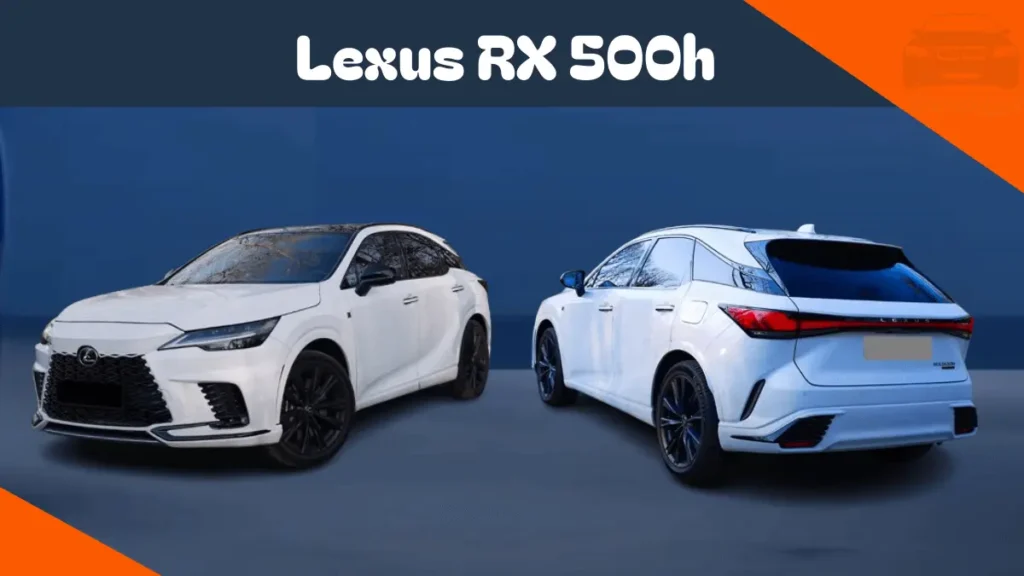
The Lexus RX 500h F SPORT Performance sets a high bar for midsize premium crossovers. Abandoning the slower CVTs found in traditional eco-focused models, the RX 500h utilizes a unique 2.4-liter turbocharged inline-4 engine mated to a 6-speed automatic transmission and a high-output rear electric axle. This pairing yields 366 horsepower and 406 lb-ft of torque, delivered through an intelligent DIRECT4 all-wheel-drive system. This setup monitors wheel slip and shifts power balance instantly to maximize traction.
The interior showcases modern craftsmanship with NuLuxe-trimmed sport bolsters, real aluminum accents, and a crisp 14-inch Lexus Interface system. This setup handles routine voice commands easily via an integrated assistant. Rather than maximizing pure fuel efficiency, the RX 500h treats its hybrid battery as a performance multiplier. This produces a highly engaging luxury drive that requires zero plug-in charging infrastructure.
- Pros: Exceptional predicted reliability, immediate throttle response, no home charging setup required.
- Cons: Rear cargo room is slightly restricted by the sloping sportback hatch; no silent EV-only highway mode.
BMW X5 xDrive50e: Track-Inspired Plug-In Power
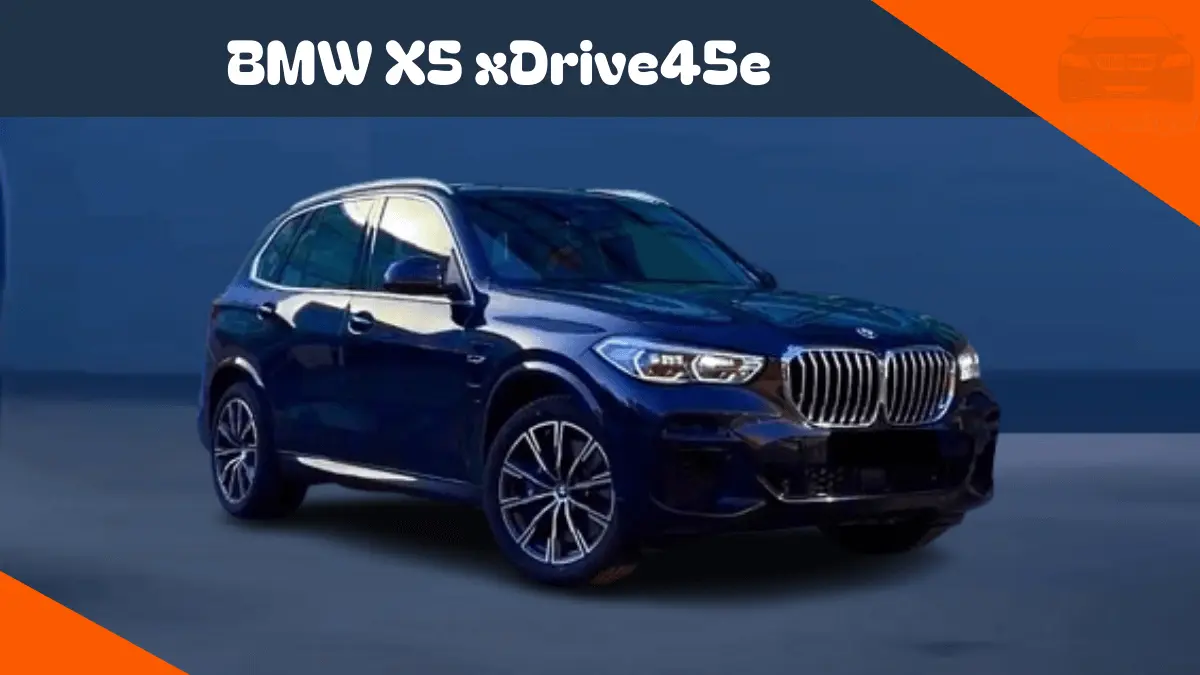
The BMW X5 xDrive50e showcases the impressive performance capabilities of plug-in hybrid engineering. Moving beyond the older xDrive45e variant, the xDrive50e pairs a 3.0-liter twin-turbocharged inline-6 engine with a potent electric motor integrated into its 8-speed automatic transmission. The system produces a combined 483 horsepower and 516 lb-ft of torque, launching this midsize vehicle from 0 to 60 mph in a blistering 4.6 seconds. This matches the acceleration of many dedicated sport sports cars.
Equipped with a large 25.7 kWh net battery pack, the X5 xDrive50e delivers up to 40 miles of pure electric range according to EPA testing guidelines. This allows most owners to complete daily errands or local office commutes without burning any gasoline. Inside, the BMW Curved Display runs iDrive 8.5 with clear graphics and customizable layouts. While earlier combustion non-hybrid variants offered an optional small 3rd-row, the plug-in variant omits this extra row to accommodate its electrical components. This prioritizes excellent cargo volume behind the second row instead.
- Pros: Immersive acceleration, excellent 40-mile EV range window, and quick 7.4 kW onboard AC charging speeds.
- Cons: Base pricing increases quickly as premium options packages are selected; third-row seats are unavailable.
Toyota Grand Highlander Hybrid MAX: King of Three-Row Utility
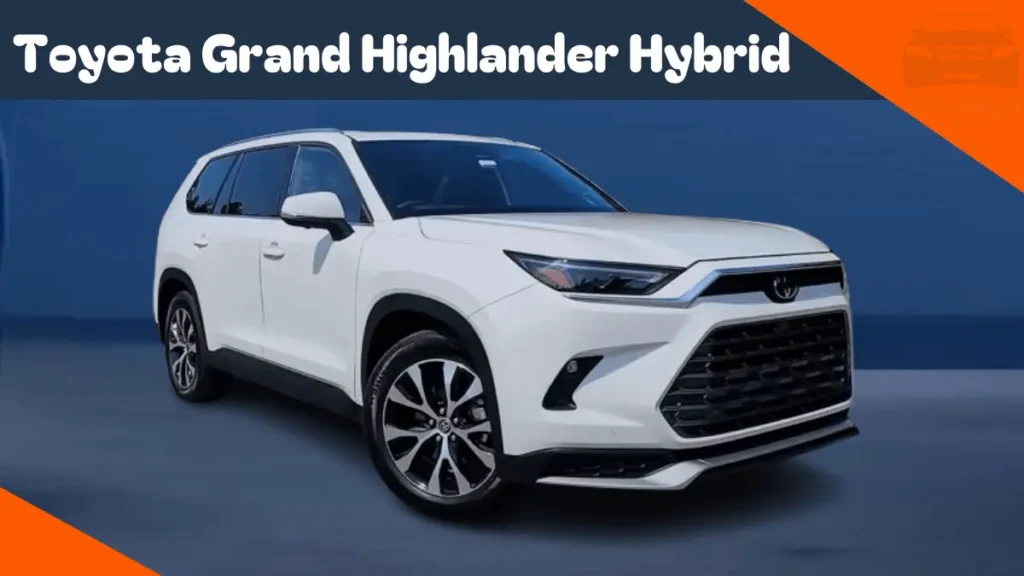
For drivers focused on passenger space and everyday utility, the Toyota Grand Highlander Hybrid MAX is a highly functional alternative to European models. While wearing a mainstream emblem, its range-topping Platinum trim approaches luxury territory with heated and ventilated second-row captain’s chairs, ultrasuede accents, and extensive noise isolation. The Hybrid MAX powertrain pairs a 2.4-liter turbocharged engine with front and rear electric motors to generate a stout 362 horsepower and 400 lb-ft of torque.
The Grand Highlander’s standout feature is its spacious third-row cabin layout. It offers 33.5 inches of third-row legroom, allowing it to comfortably accommodate full-sized adults on extended journeys. It also features a useful 5,000-pound maximum towing capacity and retains 20.6 cubic feet of storage space behind the rear seats. This makes it an ideal fit for large families who require a versatile, eco-friendly road tripper.
- Pros: Massive interior dimensions, a very usable third row, and an approachable price relative to premium badges.
- Cons: Steering response feels light; interior door panels use harder plastic materials than luxury-brand rivals.
Volvo XC90 Recharge: Timeless Scandinavian Design
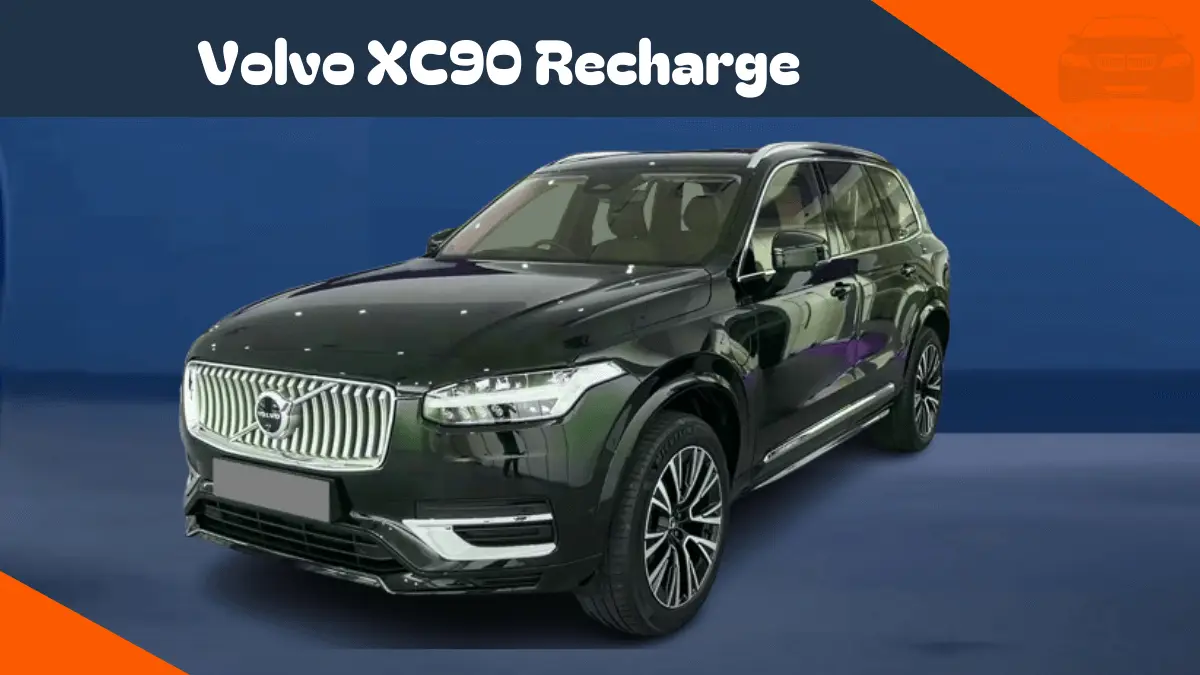
The Volvo XC90 Recharge presents a striking minimalist aesthetic alongside premium engineering. This plug-in hybrid uses a high-capacity rear-mounted electric motor mated to a turbocharged 2.0-liter four-cylinder gas engine. Together, they deliver a combined 455 horsepower and 523 lb-ft of torque. This configuration earns a notable 58 MPGe fuel rating from the EPA, along with an all-electric driving range of up to 32 miles on a full charge.
Inside, the cabin features a premium layout centered around ergonomic seating, open-pore ash wood trim, and a tailored wool blend upholstery option. A 9-inch vertical infotainment screen runs an Android-based operating system with Google Maps, Google Assistant, and Over-The-Air update support. True to the brand’s heritage, the XC90 features an impressive list of advanced safety features, utilizing an ultra-high-strength steel safety cage and preventive camera systems to ensure top safety scores across major testing indexes.
- Pros: Understated interior luxury, a standard three-row 7-passenger layout, and excellent crash test safety performance.
- Cons: The center touchscreen interface requires a small learning curve; ride quality feels firm when optioned with larger 21-inch wheels.
Range Rover Sport SE (P460e): Supreme Off-Road Opulence
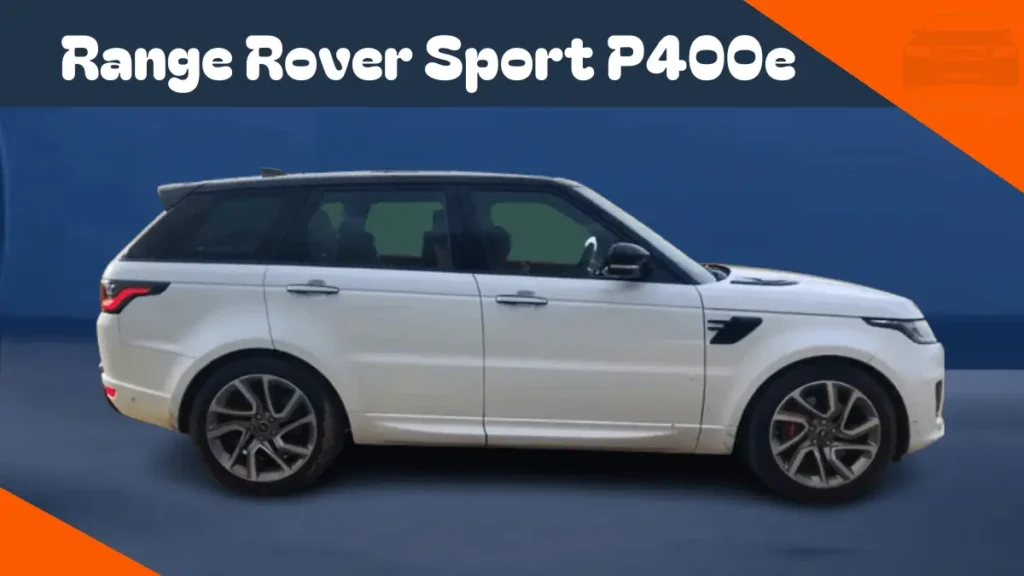
The Range Rover Sport Dynamic SE (P460e) is designed for drivers who demand top-tier luxury alongside serious off-road capability. Replacing the older P400e variant, the P460e features a larger 31.8 kWh lithium-ion battery pack integrated into its aluminum platform. This setup provides an EPA-estimated all-electric range of up to 51 miles on a single charge. This places it among the longest-range premium plug-in hybrid options on the market today.
The powertrain couples a 3.0-liter Ingenium inline-6 engine with a 105 kW electric motor, producing 454 horsepower and pushing power through a rugged dual-range transfer case. Equipped with standard dynamic air suspension and an advanced Terrain Response 2 system, it handles deep mud, deep sand, and snow with confidence. It also boasts an impressive 6,613-pound maximum towing capacity, making it highly capable for pulling trailers or recreation equipment. Inside, the cabin features a curved 13.1-inch Pivi Pro screen alongside minimalist dashboard surfaces.
- Pros: Exceptional 51-mile electric range, excellent off-road performance, and standard 50 kW DC fast-charging support.
- Cons: High base pricing; historical brand reliability metrics track lower than its Japanese competitors.
How to Choose the Best Luxury Hybrid SUV for You
Finding the right luxury hybrid SUV involves assessing your driving routines and utility needs. Use this five-step guide to help narrow down your options:
1. Define Your Powertrain Needs (HEV vs. PHEV)
Determine whether a traditional hybrid (HEV) or a plug-in hybrid (PHEV) fits your lifestyle. If you live in an apartment without a dedicated parking space, or if you frequently take long cross-country road trips, a traditional HEV like the Lexus RX 500h avoids the need to hunt for charging stations. However, if you can install a Level 2 home charger in your garage and have a daily commute of under 35 miles, a PHEV like the BMW X5 xDrive50e or Volvo XC90 Recharge lets you complete daily trips entirely on electric power.
2. Evaluate Passenger and Cargo Volume
Assess your typical passenger requirements. Crossovers like the Lexus RX 500h offer excellent comfort for up to five occupants but lack third-row seating. If you routinely transport car seats or carpool groups, larger three-row platforms like the Volvo XC90 Recharge or the Toyota Grand Highlander Hybrid MAX provide the necessary cabin space. For maximum third-row legroom and cargo capacity with all seats up, the Grand Highlander stands out as the most spacious choice.
3. Analyze Real-World Fuel Efficiency and Electric Range
Review official EPA ratings closely, separating traditional MPG numbers from MPGe (Miles Per Gallon Equivalent) metrics used for plug-in hybrids. The Range Rover Sport P460e leads the premium plug-in field with an estimated 51 miles of all-electric range, followed closely by the BMW X5 xDrive50e at 40 miles. For drivers focusing primarily on highway fuel economy without plugging in, traditional hybrids provide consistent efficiency regardless of battery charge levels.
4. Inspect Luxury Amenities and Safety Suites
Compare interior technology options, seating adjustment controls, and driver assistance programs. European models place a strong emphasis on high-end leather seating surfaces, premium multi-speaker sound systems, and smooth air suspension packages. Ensure any vehicle you consider includes a comprehensive safety suite, featuring adaptive cruise control, automatic emergency braking, blind-spot monitoring, and active lane-keeping assistance as standard equipment.
5. Understand Total Cost of Ownership
Look beyond the initial window sticker price and consider long-term ownership costs. Research historical reliability scores, standard warranty lengths, and estimated maintenance expenses. Brands like Lexus offer excellent long-term component reliability and low repair costs over time. Additionally, check local utility programs for potential off-peak EV charging discounts or regional incentives that can help offset home installation costs for plug-in hybrid models.
Which is the Best Luxury Hybrid SUV for You?
The ideal premium hybrid SUV depends on your specific performance preferences and passenger needs. If you value acceleration and sharp handling alongside high-end interior tech, the BMW X5 xDrive50e stands out as an exceptional choice. For drivers prioritizing long-term reliability and low maintenance without home charging requirements, the Lexus RX 500h offers a well-built package. If maximizing passenger space is your top priority, the Toyota Grand Highlander Hybrid MAX delivers excellent utility across three rows.
To find the best fit, we recommend scheduling test drives of your top contenders at a local dealership. This lets you experience the real-world visibility, seat comfort, and powertrain transitions firsthand. If you are ready to make the switch to an electrified vehicle, explore our individual model reviews on Car and Driver or check the Fueleconomy.gov database to compare efficiency data across current premium options.
Ready to find the ideal balance of performance and efficiency? Explore our library of vehicle deep-dives, subscribe to our newsletter for the latest automotive reviews, or use our interactive dealership portal to schedule a test drive of your favorite luxury hybrid SUV today!
FAQ About the Best Luxury Hybrid SUVs for 2026
1. What is the difference between a traditional hybrid (HEV) and a plug-in hybrid (PHEV)?
A traditional hybrid (HEV) uses its electric motor to assist the gasoline engine, automatically recharging its battery through regenerative braking without needing to be plugged in. A Plug-in Hybrid (PHEV) features a much larger battery pack that can be plugged into an external charger. This allows the vehicle to run entirely on electric power for an extended distance (typically 30 to 51 miles) before switching over to conventional gasoline operation.
2. Are luxury hybrid SUV worth the extra upfront cost?
Yes, for the majority of premium car shoppers. Beyond fuel savings, luxury hybrid models offer quieter cabins, immediate torque delivery from a stop, and smoother stop-start transitions in heavy traffic. They also tend to hold their resale value exceptionally well compared to equivalent gas-only models in the secondary market.
3. How long do the hybrid battery packs last in these luxury vehicles?
Modern automotive hybrid batteries are engineered for excellent long-term durability. Federal regulations in the United States require manufacturers to cover hybrid components under warranty for a minimum of 8 years or 80,000 miles. In states that adhere to California Air Resources Board (CARB) rules, this coverage extends up to 10 years or 150,000 miles. Real-world data indicates these battery packs regularly outlast their factory warranty periods with minimal degradation.
4. Do luxury hybrid SUV require more maintenance than regular gas models?
No, they generally do not require additional maintenance. While the dual-powertrain layout is complex, the electric motor reduces wear on the gasoline engine by assisting during high-load situations. Additionally, regenerative braking systems handle a significant portion of deceleration work. This can double the lifespan of brake pads and rotors compared to conventional luxury gas vehicles.
5. Can you drive a plug-in hybrid SUV on long road trips without charging?
Yes, absolutely. Once a PHEV’s battery pack drops below its pure-electric driving threshold, the vehicle transitions automatically to operate as a conventional hybrid. It will continue running safely on gasoline power alone, meaning you can take long road trips without being required to stop and plug into a charging station.