





Why Hot-Weather Range Matters More Than EPA Numbers
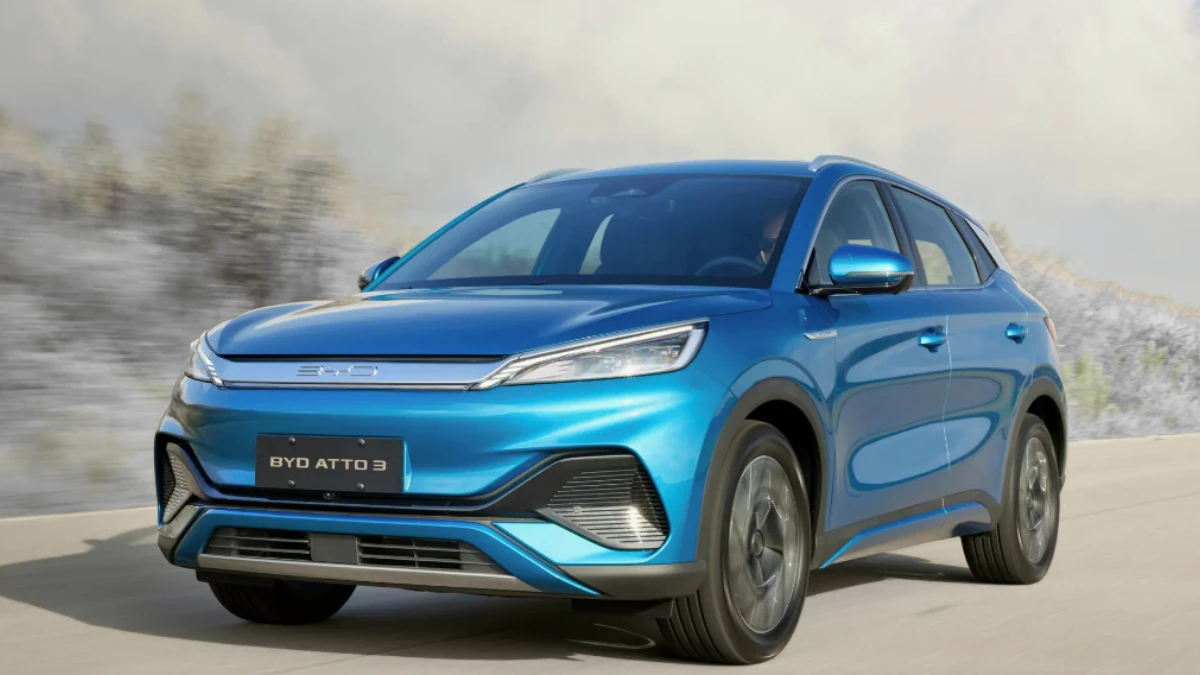
For EV buyers living in hot U.S. states like Arizona, Texas, Nevada, and Florida, understanding the BYD Atto 3 real range in hot weather is far more important than headline EPA or WLTP numbers. Extreme heat, heavy air-conditioning use, and battery cooling demands can significantly impact real-world driving range—especially during long summer drives.
The BYD Atto 3 has generated serious interest as a practical electric SUV, but one question keeps appearing in search data:
What is the BYD Atto 3 real range in hot weather?
This article answers that question with real-world driving scenarios, efficiency expectations, ownership insights, and honest limitations—without relying blindly on lab-rated numbers. If you’re considering the BYD Atto 3 electric SUV for a hot climate in 2026, this is the breakdown you need.
What Is the Official BYD Atto 3 Range vs Real-World Expectations?
Official Ratings (Important Context)
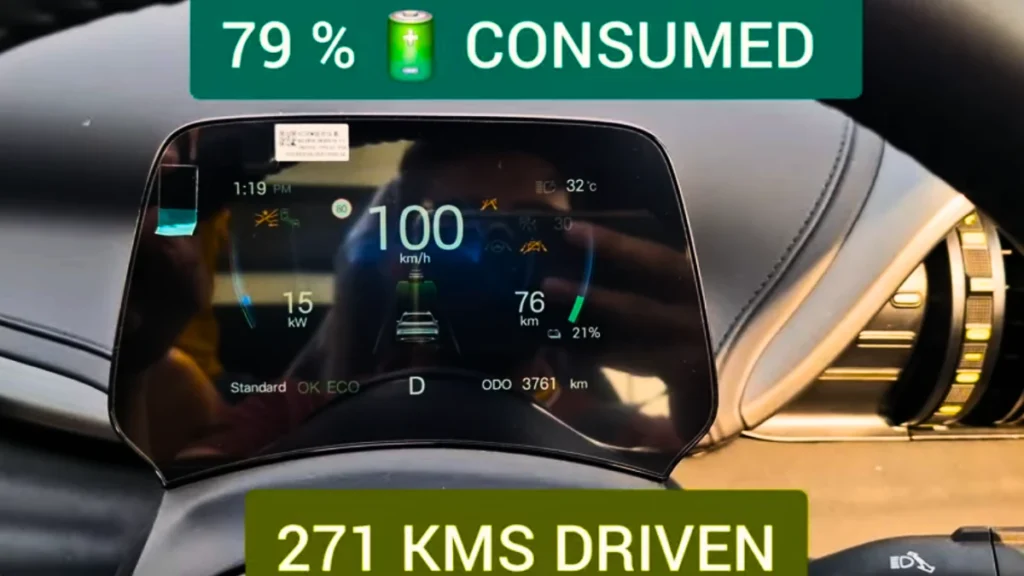
Depending on market and battery configuration, the BYD Atto 3 is typically rated around 260–300 miles (WLTP). However:
- WLTP ≠ EPA
- WLTP figures are optimistic, especially in high-heat environments
- The U.S. does not yet have a finalized EPA rating for the Atto 3
This makes real-world hot-weather efficiency far more important than headline numbers.
BYD Atto 3 Real Range in Hot Weather: What Owners and Testing Show
Real-World Hot Climate Range (Estimated)
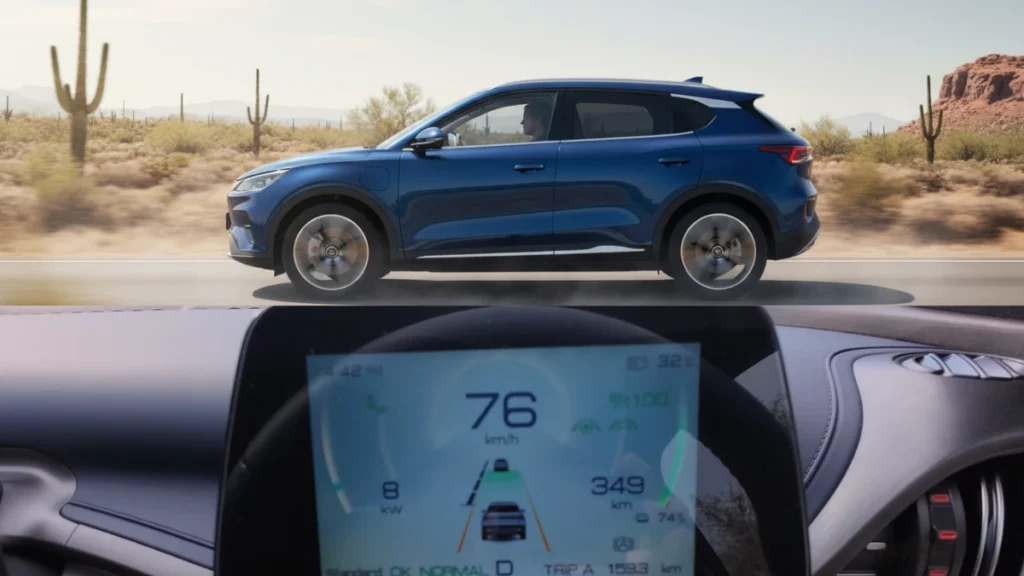
Based on real-world usage patterns in 90–110°F (32–43°C) conditions:
Expected real range in hot weather:
- City driving: ~215–235 miles
- Mixed driving: ~200–220 miles
- Highway at 70–75 mph with AC: ~185–205 miles
This represents a 10–18% reduction from mild-weather performance—not catastrophic, but noticeable.
Why Heat Affects the Atto 3’s Range
Unlike cold weather, heat doesn’t slow chemical reactions—but it increases energy consumption through:
- Continuous air conditioning
- Battery cooling systems working harder
- Reduced regenerative braking efficiency during thermal protection cycles
BYD’s Blade Battery (LFP) is more heat-stable than traditional lithium-ion packs, which helps limit range loss—but it doesn’t eliminate it.
How the BYD Blade Battery Performs in Extreme Heat
Blade Battery Advantages in Hot Weather
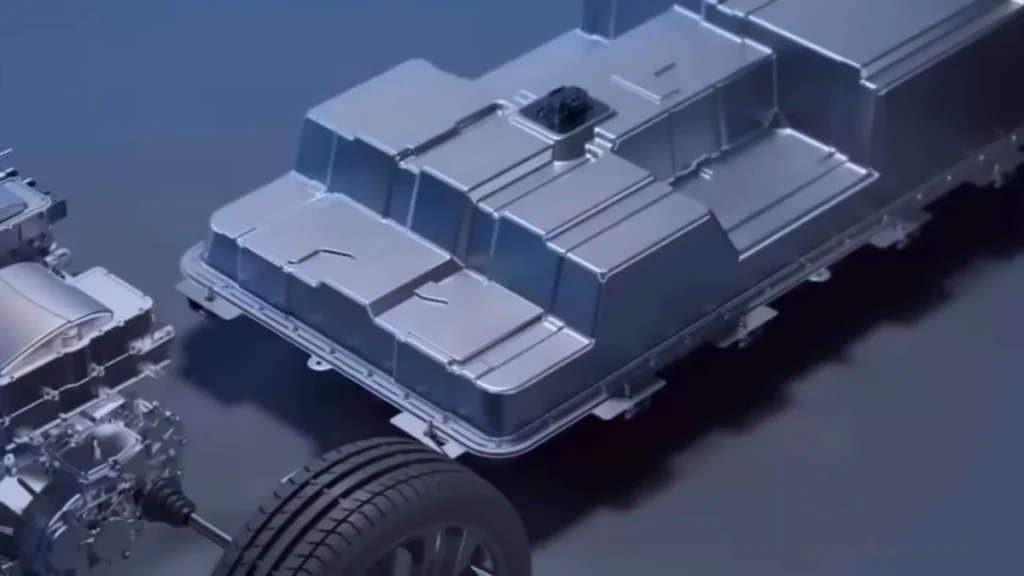
The Atto 3 uses BYD’s LFP Blade Battery, which offers:
- Higher thermal stability
- Lower risk of overheating
- Slower degradation in hot climates
- More consistent performance under sustained heat
This chemistry is particularly well-suited for desert and tropical regions, making the Atto 3 more resilient than many nickel-based competitors.
The Trade-Off
LFP batteries:
- Are heavier
- Have slightly lower energy density
- Can show less peak efficiency at highway speeds
So while heat tolerance is excellent, high-speed summer road trips will still reduce usable range.
Real-World Ownership Experience in Hot States
Daily Commuting in Heat
For urban and suburban EV buyers:
- 30–60 miles per day is no problem
- Cabin cooling is effective without massive range loss
- Pre-conditioning while plugged in dramatically improves efficiency
Owners report the Atto 3 feels predictable, not volatile, in extreme heat—an underrated quality.
Long Highway Drives in Summer
This is where expectations must be realistic:
- Sustained 75+ mph driving
- AC on full blast
- Fully loaded vehicle
In this scenario, 190 miles is a safer planning number, with charging stops factored in earlier than the dashboard estimate suggests.
How Accurate Is the BYD Atto 3 Range Display?
The Atto 3’s range estimator is:
- Conservative after learning driving behavior
- Less optimistic than many competitors
- More accurate in city than highway driving
However, during heatwaves:
- Initial estimates may drop suddenly after prolonged AC usage
- Range stabilizes once battery temperature balances
Tip: Switch the display to energy consumption (mi/kWh) rather than remaining miles for more reliable planning.
BYD Atto 3 Real Range vs Key Rivals in Hot Weather
BYD Atto 3 vs Tesla Model Y (Hot Climate)
| Category | Atto 3 | Model Y |
|---|---|---|
| Heat tolerance | Excellent (LFP) | Good |
| Highway efficiency | Moderate | Better |
| Range loss in heat | ~15% | ~12% |
| Battery degradation risk | Lower | Higher over time |
Atto 3 vs Hyundai Kona Electric
- Kona offers better highway efficiency
- Atto 3 has better heat stability and interior cooling consistency
- Kona’s battery management can throttle more aggressively in extreme heat
Pros and Cons of the BYD Atto 3 in Hot Weather
Pros
- Excellent thermal stability from Blade Battery
- Consistent performance in extreme heat
- Reliable AC efficiency
- Lower long-term degradation risk
- Predictable range behavior
Cons
- Highway range drops faster at high speeds
- Slower DC fast-charging compared to newer rivals
- No official EPA rating yet for U.S. buyers
- Conservative energy management may feel limiting
Is the BYD Atto 3 Worth Buying in 2026 for Hot Climates?
Yes, If You’re the Right Buyer
The BYD Atto 3 is worth considering in 2026 if you:
- Live in a hot climate
- Mostly drive urban or mixed routes
- Value battery longevity over maximum range
- Prefer predictable, conservative EV behavior
Maybe Not, If You Expect Tesla-Level Efficiency
If your use case involves:
- Frequent long highway trips
- Minimal charging stops
- High-speed summer driving
You may find competitors more efficient—but often at the cost of long-term battery health.
Buying Tips for Maximizing Range in Hot Weather
Featured Snippet-Friendly Tips:
- Pre-cool cabin while plugged in
- Use Eco mode in extreme heat
- Maintain tire pressure (heat increases PSI)
- Limit sustained 75+ mph driving
- Park in shade whenever possible
These alone can recover 10–15 miles of real-world range.
Final Verdict
The BYD Atto 3 real range in hot weather may not headline with massive numbers—but it delivers something more valuable: consistency, durability, and honesty.
For EV buyers in hot U.S. climates looking beyond marketing claims, the Atto 3 proves that stable range beats inflated range—especially in 2026, when battery longevity matters more than ever.
FAQs
No. The Blade Battery is specifically designed to handle high temperatures with minimal long-term degradation.
Typically 8–12%, depending on fan speed and outside temperature.
Yes, especially compared to EVs using nickel-based batteries.
Yes, but charging speeds may reduce temporarily to protect battery health.
City driving delivers significantly better range in hot weather.