
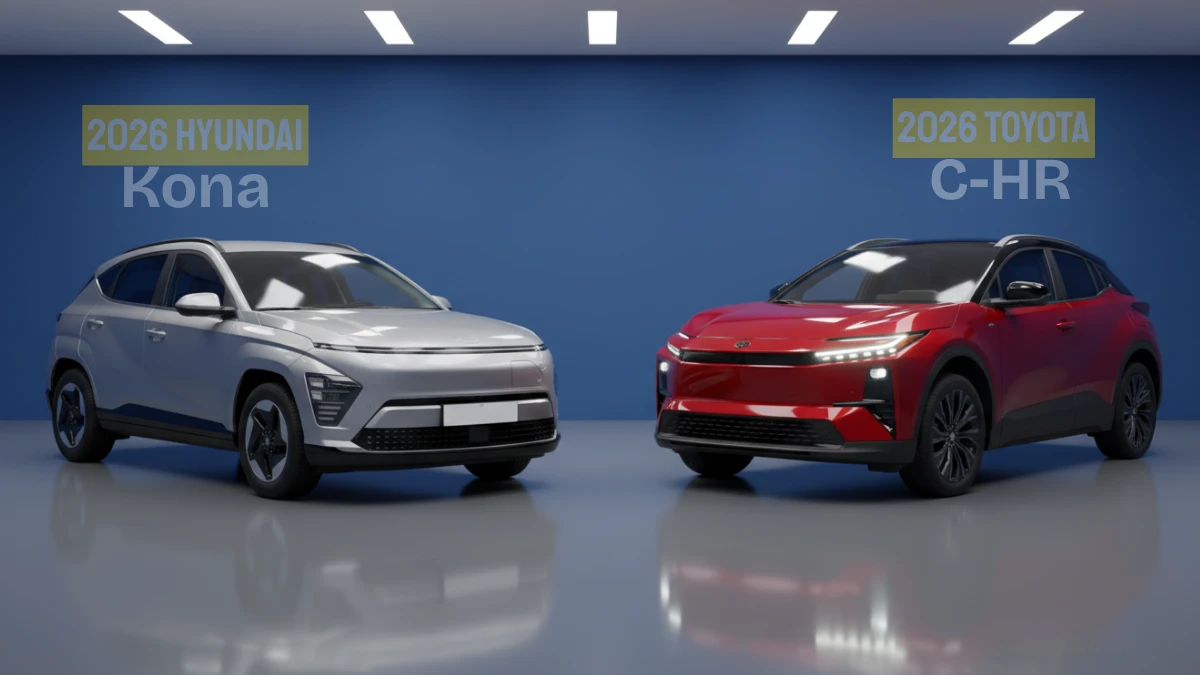
The compact EV segment in the U.S. is no longer niche. It’s one of the fastest-moving corners of the market. Buyers want manageable size, usable range, and pricing that doesn’t drift into luxury territory. That shift opens the door for Toyota’s return with the C-HR, now expected in fully electric form.
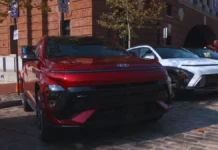
Meanwhile, the Hyundai Kona Electric has already built credibility. It’s refreshed, widely available, and proven in daily use. That makes it the benchmark in this space.
This comparison focuses on real-world driving, ownership logic, and value—not just spec-sheet bragging rights. If you want a deeper look at Toyota’s strategy and trim structure, see our detailed guide to the 2026 Toyota C-HR XSE.
Table Of Contents
- Powertrain and Performance: Efficiency vs Personality
- 2026 Toyota C-HR EV Range vs Hyundai Kona Electric: Which Goes Further?
- Charging Speed Comparison: C-HR EV vs Kona Electric (NACS vs CCS)
- 2026 Toyota C-HR EV vs Kona Electric Price Comparison (Under $40,000 EV Battle)
- Best Compact Electric SUV 2026: C-HR EV or Kona Electric?
- Frequently Asked Questions
At a Glance
- The Hyundai Kona Electric currently offers proven EPA range up to 261 miles.
- Toyota’s upcoming electric C-HR is expected to target 250–300 miles.
- NACS charging access may give Toyota broader Supercharger compatibility.
- Pricing for both models should remain under $40,000 in most trims.
- The Kona is the safer buy today; Toyota may offer stronger brand trust long term.
Specification
| Specification | 2026 Toyota C-HR EV | Hyundai Kona Electric |
|---|---|---|
| Starting Price | Est. $35,000–$39,000 | From mid-$30,000s |
| Horsepower | ~200 hp (expected) | 201 hp |
| EPA Range | 250–300 miles (est.) | Up to 261 miles |
| Charging Standard | NACS (expected) | CCS |
Pros And Cons
| Model | Pros | Cons |
|---|---|---|
| Toyota C-HR EV | NACS charging access, bold design, strong brand reliability | Unconfirmed final specs, coupe-like rear headroom |
| Hyundai Kona Electric | Proven EPA range, available now, strong warranty | CCS charging only, less distinctive styling |
Powertrain and Performance: Efficiency vs Personality
Toyota’s new electric C-HR Expected Output
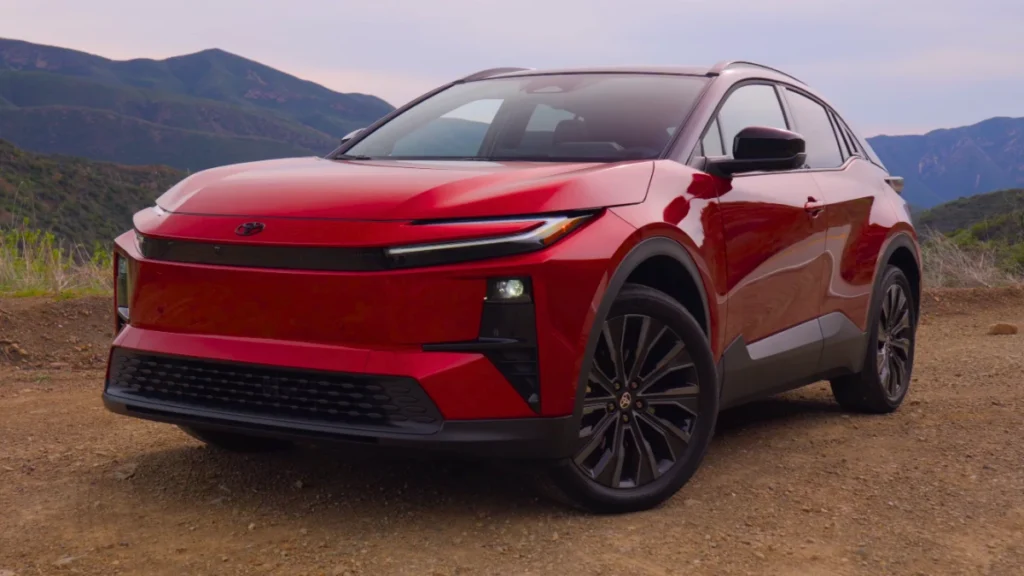
Toyota hasn’t confirmed final U.S. specs, but expectations are realistic. Based on Toyota’s global EV rollout (outlined in official Toyota Newsroom updates), the 2026 C-HR EV should land around 200 horsepower. That figure would position it squarely in competitive territory without chasing headline numbers.
A single-motor, front-wheel-drive layout is the most likely setup at launch. Toyota tends to prioritize efficiency and packaging in this segment.
On the road, expect a composed character. Throttle response should feel smooth rather than aggressive. Steering will likely favor stability over sharpness. This isn’t meant to be a hot hatch in disguise. It’s built for balanced, everyday subcompact EV performance.
2026 Hyundai Kona Electric Specs
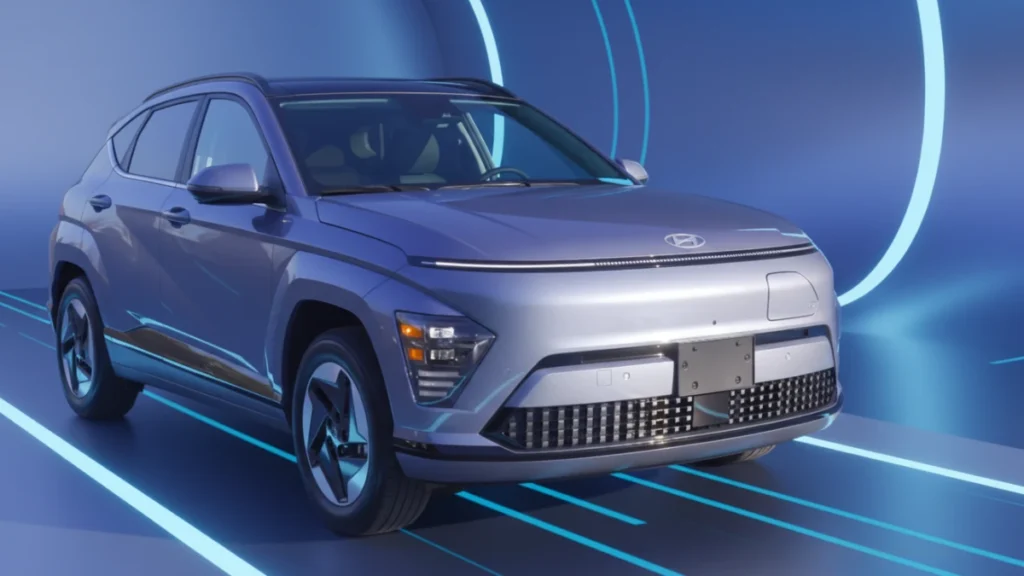
The refreshed Hyundai Kona Electric enters 2026 with established credentials. Current U.S.-spec models (as detailed on Hyundai USA) produce up to 201 horsepower from a single front-mounted motor. Torque delivery is immediate, as expected from an electric crossover.
Acceleration feels brisk in city traffic. It’s not dramatic, but it’s confident. Hyundai tuned the Kona to feel lighter than it is. That helps in tight spaces and quick lane changes.
For shoppers comparing numbers, the Kona sets the baseline in any electric crossover acceleration comparison. Toyota will need to match or slightly exceed this output to stay competitive.
Real-World Driving Differences
In urban driving, both models should feel responsive. Instant torque makes stoplight launches easy. Both models are expected to support regenerative braking and possibly one-pedal driving modes for improved urban efficiency. The Kona already proves this daily. The C-HR will likely mirror that calm, predictable response.
Highway merging tells a clearer story. The Kona’s power delivery feels strong up to freeway speeds. If Toyota keeps output near 200 horsepower, the gap may be minimal.
Steering and suspension tuning could separate them. Hyundai leans slightly sporty. Toyota typically favors comfort and body control. For buyers focused on long commutes, that difference matters more than raw specs.
2026 Toyota C-HR EV Range vs Hyundai Kona Electric: Which Goes Further?
Estimated C-HR EV Range
Toyota has not released final EPA numbers, but projections are clear. The 2026 C-HR EV should target between 250 and 300 miles, depending on trim and wheel size. That range would place it squarely in the heart of the EV range comparison 2026 shoppers are watching closely.
Toyota typically prioritizes efficiency over oversized batteries. Expect a compact SUV battery capacity tuned for balance rather than excess weight. Battery capacity will likely sit around 60–70 kilowatt-hours (kWh), using advanced lithium-ion battery chemistry for improved thermal stability. A slightly smaller pack, paired with strong energy management, can deliver competitive numbers without hurting ride quality.
If the C-HR XSE leans sportier, range may sit closer to the lower end of that estimate. Base trims could stretch further on a full charge.
Kona Electric EPA Range
The current Hyundai Kona Electric carries official EPA ratings (as listed on FuelEconomy.gov) of up to 261 miles with its larger battery configuration. That figure is already competitive in the subcompact segment.
Owner feedback suggests real-world results stay close to EPA estimates in moderate climates. Efficiency tends to dip in colder regions, as expected, but the Kona remains predictable.
For buyers comparing numbers alone, Hyundai sets a reliable benchmark. Toyota will need similar consistency to stay credible in this compact SUV battery capacity discussion.
Which One Reduces Range Anxiety Better?
Range anxiety is not just about headline mileage. It’s about confidence over time. Battery management systems play a major role here. Hyundai’s software has matured over several model years. Toyota’s newer EV systems must prove long-term stability.
Energy consumption per mile also matters. A lighter vehicle with efficient thermal control can outperform a heavier rival with a larger battery. That’s where Toyota’s efficiency-first engineering may help.
Climate impact cannot be ignored. Cold weather reduces usable range in any EV range comparison 2026 test. Heat pump efficiency plays a key role in preserving range during colder temperatures. The model that maintains steadier performance in winter conditions will feel less stressful for daily drivers.
Charging Speed Comparison: C-HR EV vs Kona Electric (NACS vs CCS)
Toyota’s 2026 Charging Direction
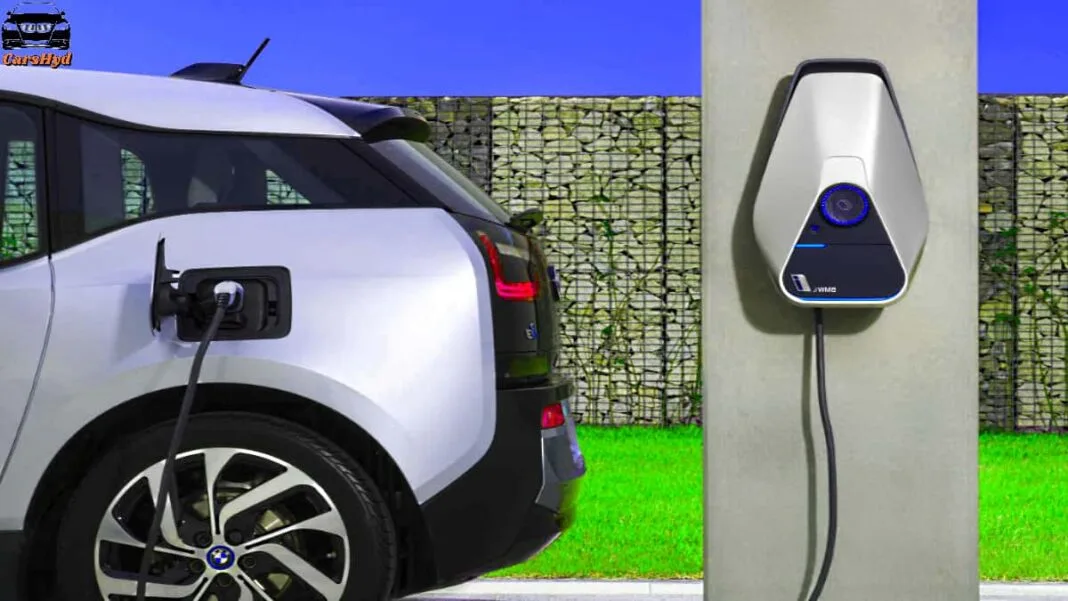
Toyota has confirmed a shift toward the North American Charging Standard (NACS) starting in 2025–2026. That transition could reshape the ownership experience for the C-HR EV. Access to Tesla’s Supercharger network significantly expands fast-charging availability across the U.S.
Adapter solutions may bridge early models, but native NACS integration simplifies road trips. We break down Toyota’s charging shift in detail here.
For buyers planning long-distance travel, port compatibility is no longer a minor detail.
Kona Electric Charging Capability
The Hyundai Kona Electric supports DC fast charging at competitive rates for its class. Current versions can charge from 10 to 80 percent in roughly 40 to 45 minutes under ideal conditions.
Peak charging speed is solid, though not class-leading. More important is charging stability. The Kona maintains a steady curve rather than spiking briefly and tapering sharply. That predictability matters more than one impressive number.
C-HR EV vs Kona Electric Road Trip Charging Performance
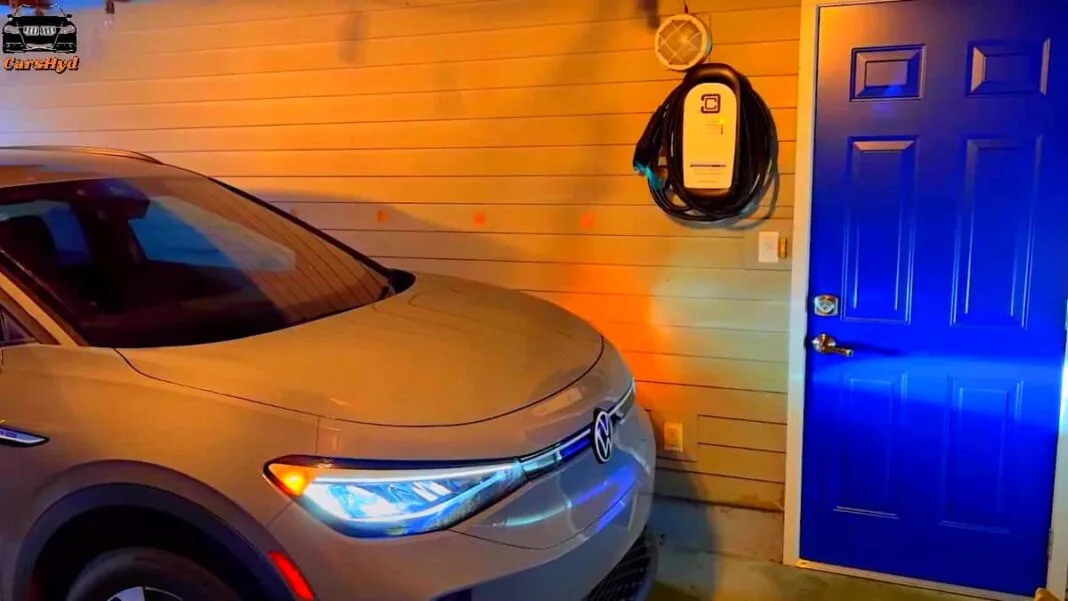
Charging curve behavior defines real road trip comfort. Level 2 home charging should replenish the battery overnight, while DC fast charging supports rapid highway stops. A vehicle that sustains strong mid-session charging reduces total travel time. Hyundai’s current curve is stable but not aggressive. Toyota’s updated platform may improve on this.
Network access is the second factor. With NACS integration, Toyota could gain broader coverage in rural corridors. Hyundai relies on CCS networks, which remain widespread but sometimes inconsistent. For a deeper breakdown of NACS vs CCS and U.S. charging infrastructure, see our complete EV charging guide.
In practical terms, road trip readiness depends on both hardware and ecosystem. Numbers alone won’t tell the full story.
Interior Space, Cargo, and Daily Practicality
Cabin Layout and Materials
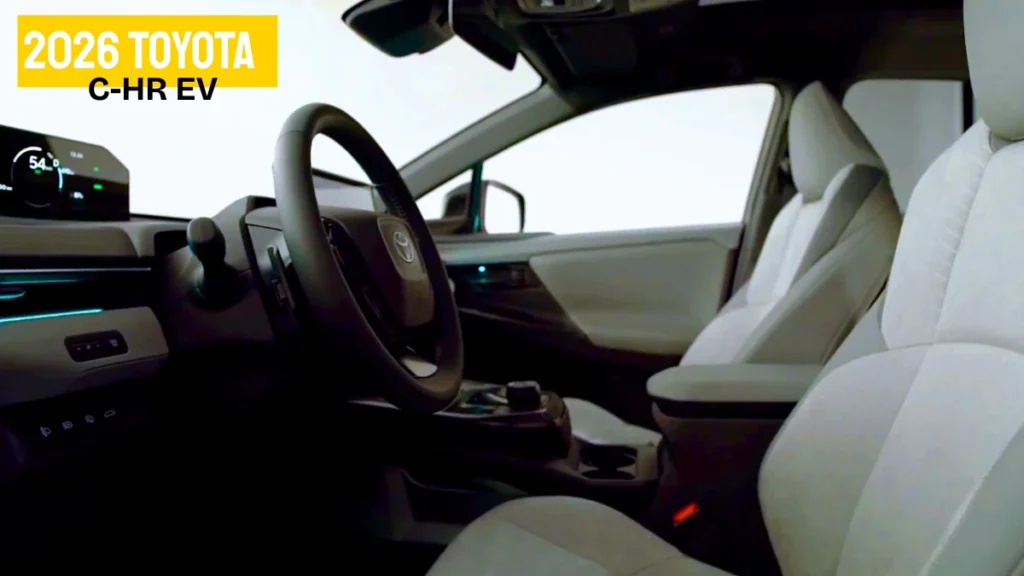
Toyota positions the C-HR XSE as the sport-oriented trim. Expect contrast stitching, textured dash materials, and a driver-focused layout. The brand typically favors clean ergonomics over flashy design.
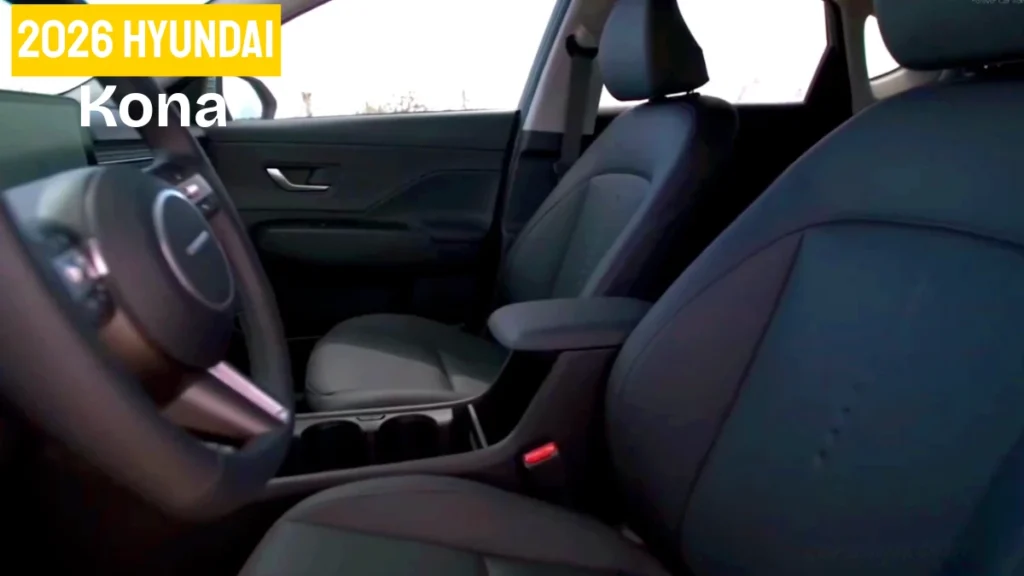
The redesigned Kona Electric introduced a more open cabin with dual digital displays. Material quality has improved compared to earlier generations. Soft-touch surfaces now appear in higher trims.
In any subcompact electric SUV interior comparison, usability often outweighs visual drama.
Rear Passenger Space: C-HR EV vs Kona Electric
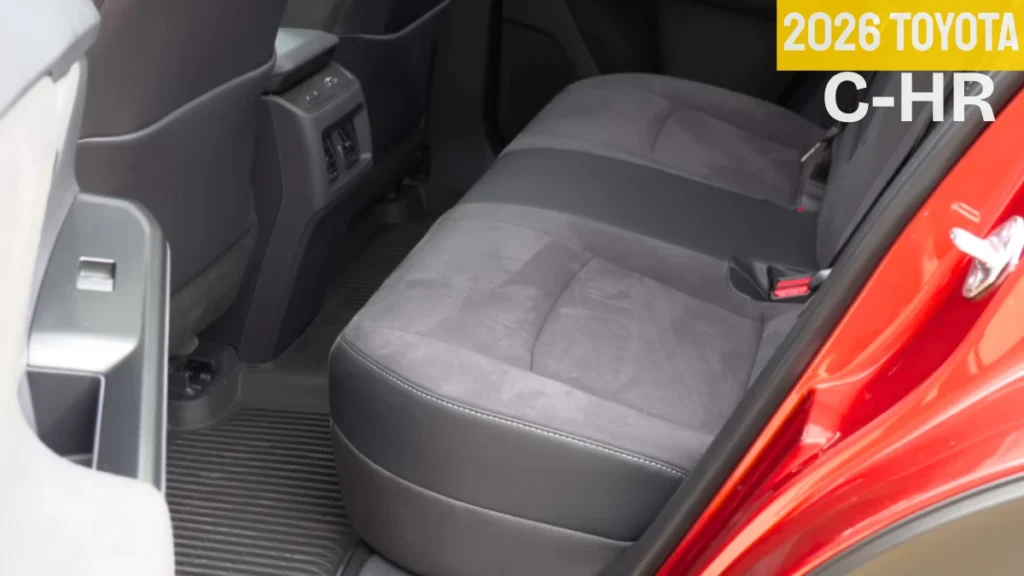
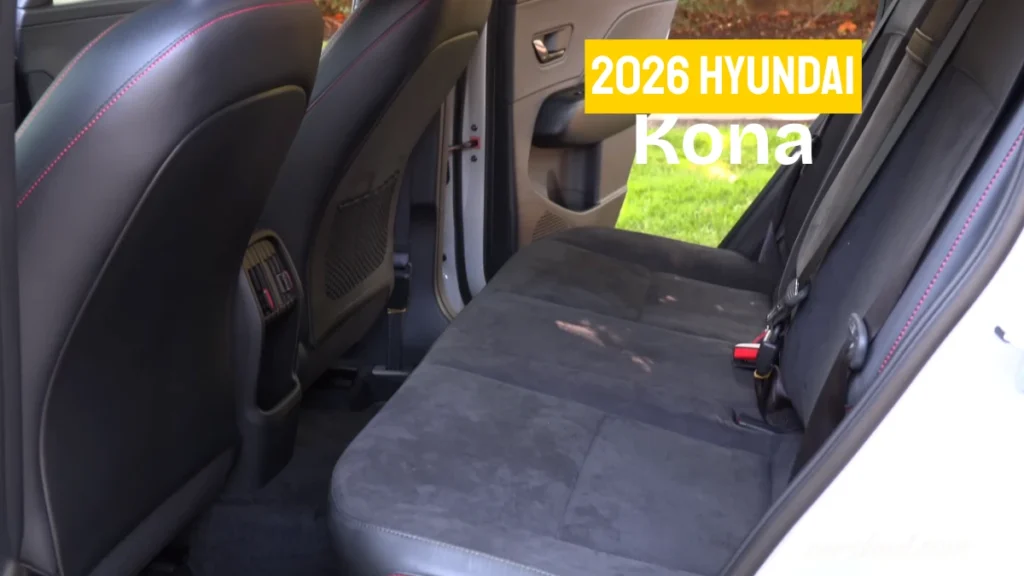
Rear legroom in the Kona is adequate for adults on short trips. Taller passengers may notice tighter knee space. Headroom improved slightly with the redesign.
The C-HR’s coupe-like roofline could limit rear headroom. Toyota will need smart seat positioning to compensate. Buyers who regularly carry passengers should test this carefully.
Small differences in seat height and cushion angle can affect comfort more than raw measurements.
2026 C-HR EV vs Kona Electric Cargo Space Comparison
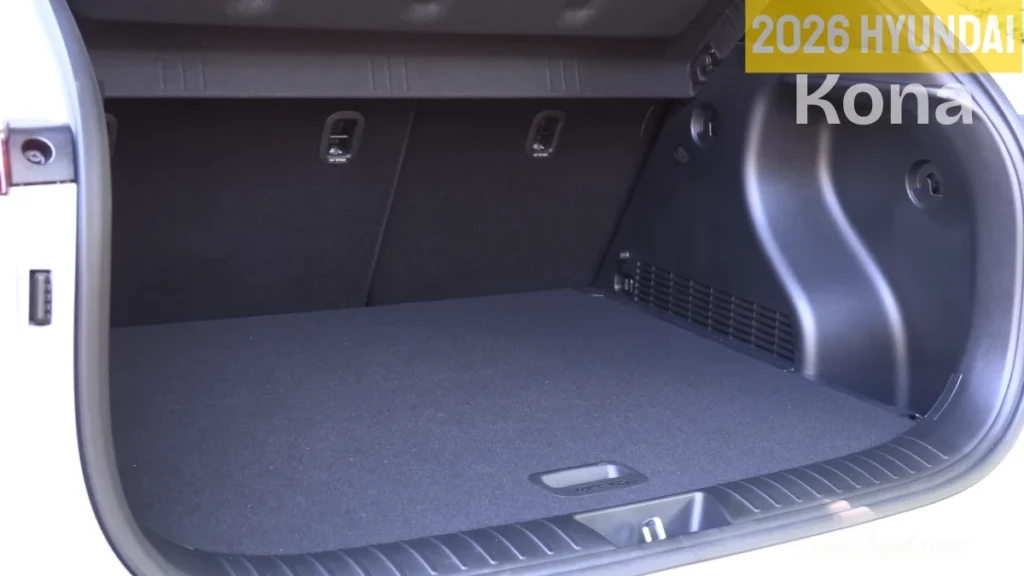
Compact EV cargo space varies more than spec sheets suggest. The Kona offers a practical rear hatch with fold-flat rear seats. The load floor is low, which helps with heavier items.
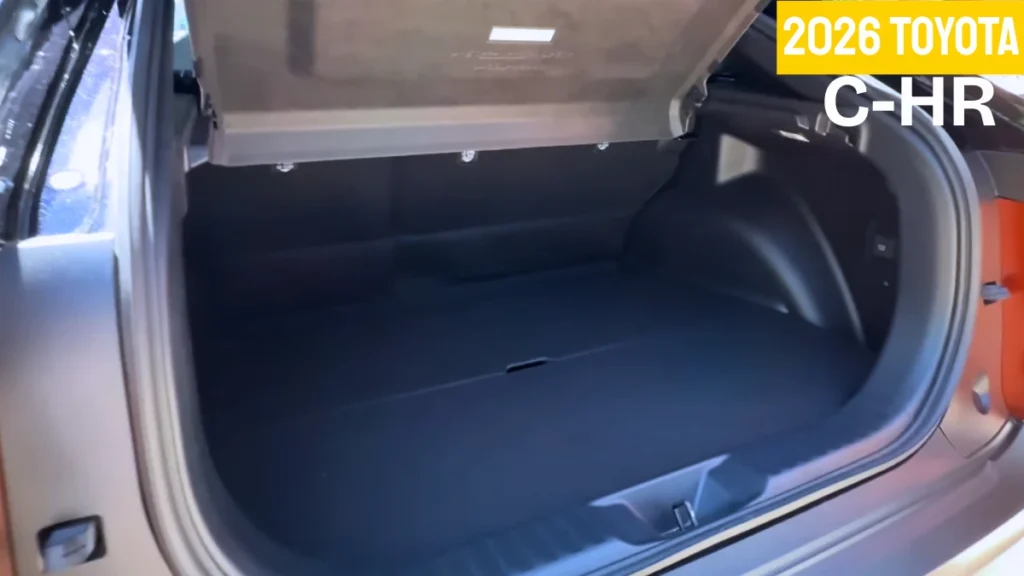
Toyota’s C-HR EV should deliver competitive trunk space for the segment. However, styling may slightly reduce vertical capacity. A flat-folding second row will be essential for flexibility.
Neither model currently emphasizes a large front trunk. Buyers focused on maximum practicality may prioritize rear hatch usability over frunk novelty.
Technology and Infotainment
Toyota’s Latest Interface
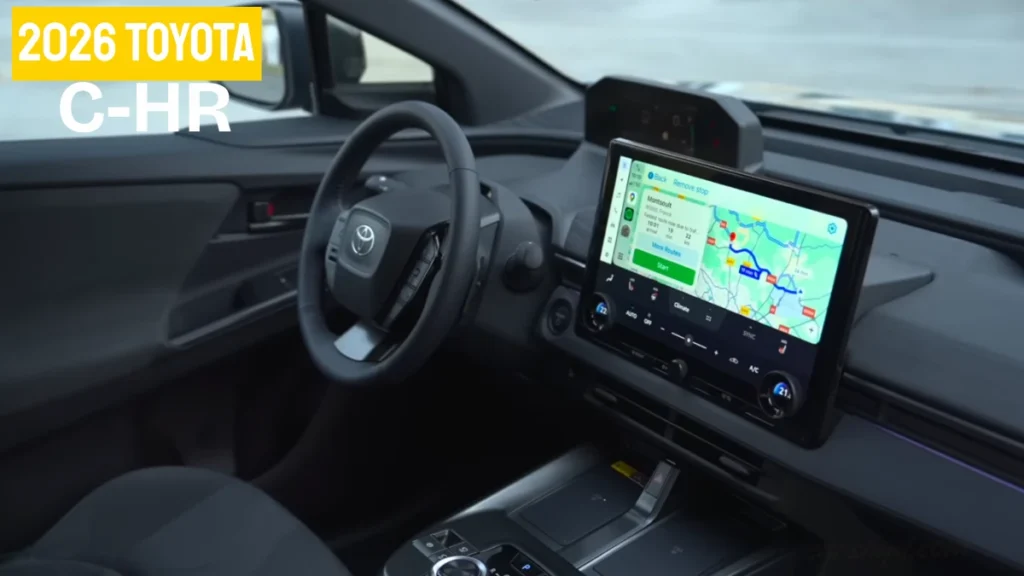
Toyota’s newest interface has improved in speed and clarity. Expect a central touchscreen between 12.3 and 14 inches in higher trims. Lower trims may use a slightly smaller display.
Menus are cleaner than older Toyota systems. Graphics feel modern without being flashy. Response times should be quick, based on recent Toyota EV launches.
Wireless Apple CarPlay and Android Auto are now standard expectations. Toyota understands buyers will not tolerate cords in 2026. The focus here is ease of use, not gimmicks.
Hyundai’s Dual-Screen Setup
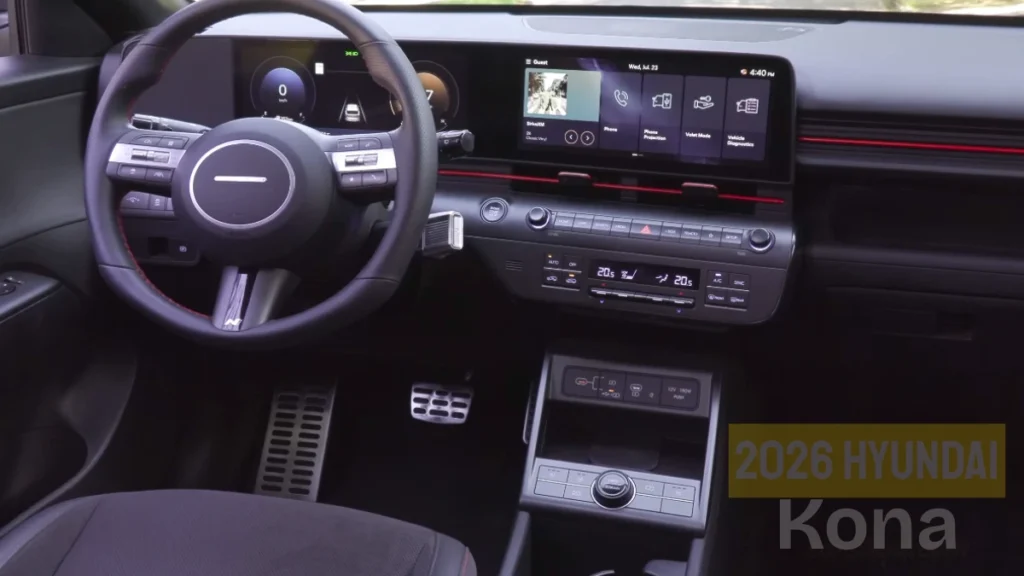
The refreshed Kona Electric uses a dual-screen layout. One display handles infotainment. The other functions as a digital instrument cluster.
The layout looks upscale for the segment. More important, it works well in daily driving. Hyundai’s interface responds quickly and keeps common controls within easy reach.
Climate shortcuts remain physical in many trims. That matters more than ambient lighting when you are adjusting settings on the move.
Driver Assistance Systems
Toyota Safety Sense will likely come standard across C-HR EV trims. Expect adaptive cruise control, lane centering assist, and blind-spot monitoring. Toyota usually calibrates these systems conservatively. They intervene smoothly, not abruptly.
Hyundai SmartSense offers similar features. Lane keeping feels slightly more assertive in the Kona. Some drivers prefer that. Others find it intrusive.
In this class, usability beats feature count. Both brands deliver strong safety tech for everyday driving.

2026 Toyota C-HR EV vs Kona Electric Price Comparison (Under $40,000 EV Battle)
2026 Toyota C-HR EV Pricing Projections
Toyota has not confirmed pricing, but projections place the C-HR EV in the mid-to-high $30,000 range. A starting MSRP around $35,000 to $39,000 feels realistic.
That would position it directly against the Kona Electric. For shoppers searching the best value compact electric SUV 2026, price discipline will matter. Toyota cannot afford to overshoot.
Higher XSE trims could push near $40,000 with added tech and styling upgrades.
Hyundai Kona Electric Pricing
The current Hyundai Kona Electric starts in the mid-$30,000 range before incentives. Trim levels climb into the low $40,000s when fully equipped.
Hyundai keeps the structure simple. A base SE offers strong value. Limited trims add premium features without entering luxury pricing.
For buyers doing an EV under $40,000 comparison, the Kona remains one of the easiest vehicles to justify on paper.
Federal Tax Credit Eligibility (2026 Context)
Tax credit eligibility remains fluid in 2026. Assembly location plays a major role. Vehicles built in North America have a stronger chance of qualifying.
Battery sourcing rules also affect eligibility. Critical mineral and component requirements continue to tighten.
For buyers, this can mean thousands of dollars in difference. A model that qualifies for the full credit may instantly become the better financial choice, even if MSRP appears higher.
Reliability Expectations and Brand Trust
Toyota’s Hybrid Reputation vs New EV Strategy
Toyota’s reputation for hybrid durability is well earned. Models like the Prius built long-term trust. That credibility helps the C-HR EV before it even launches.
However, full battery-electric systems are still newer territory for Toyota in the U.S. Long-term battery degradation data is limited. Buyers may wait to see how early units perform.
Brand trust gives Toyota an advantage, but EV-specific durability still needs proof over time.
Hyundai’s EV Track Record
Hyundai has more recent EV volume in the U.S. The Kona Electric faced battery recall issues in earlier years, which the company addressed through pack replacements and software updates.
Since then, reliability perception has improved. Hyundai also offers one of the strongest warranties in the industry, including a 10-year powertrain warranty. That coverage reduces buyer hesitation.
Both brands carry strengths. Neither is immune to evolving EV technology risks.
Styling and Buyer Personality Fit
C-HR EV Design Language
The C-HR EV leans into a sporty XSE identity. Expect sharp lines, a coupe-like roofline, and bold lighting signatures. It looks more expressive than conservative.
That design appeals to drivers who want personality in a small crossover. It feels urban and youthful. Practicality may take a slight back seat to style.
Kona Electric’s Redesign
The latest Kona Electric redesign moves toward a cleaner, more futuristic shape. The front end is smoother. Lighting elements stretch across the width.
It feels modern without being polarizing. That broader appeal helps resale value and mainstream acceptance. Not everyone wants dramatic styling.
Who Each SUV Is Really For
Urban commuters will appreciate either model. Both offer manageable size and easy parking.
First-time EV buyers may lean toward the Kona for its established track record. Familiarity lowers risk perception.
Style-focused drivers may prefer the C-HR EV. Its sharper profile stands out in crowded parking lots. Psychology matters here. Buyers rarely choose on specs alone.
Best Compact Electric SUV 2026: C-HR EV or Kona Electric?
If you want proven specs today, the Hyundai Kona Electric is the safer bet. It’s available, tested, and predictable.
If you prefer Toyota’s long-standing reliability image and a fresh design approach, the C-HR EV is worth waiting for. It could refine the formula rather than reinvent it.
Final judgment depends on official pricing, confirmed range, and tax credit status. Until those numbers arrive, the Kona holds the edge on certainty.
If you want the complete breakdown of trims, expected specs, and release timing, visit our full 2026 Toyota C-HR XSE guide.
Frequently Asked Questions
Toyota has confirmed its shift toward the North American Charging Standard beginning in 2025–2026 models, improving Supercharger access.
Current U.S. models of the Kona Electric are rated up to 261 miles, depending on battery configuration.
Eligibility depends on final assembly location and battery sourcing requirements under updated federal guidelines.
The Kona Electric offers proven specs today, while Toyota’s new electric C-HR could compete strongly depending on final pricing and range confirmation.