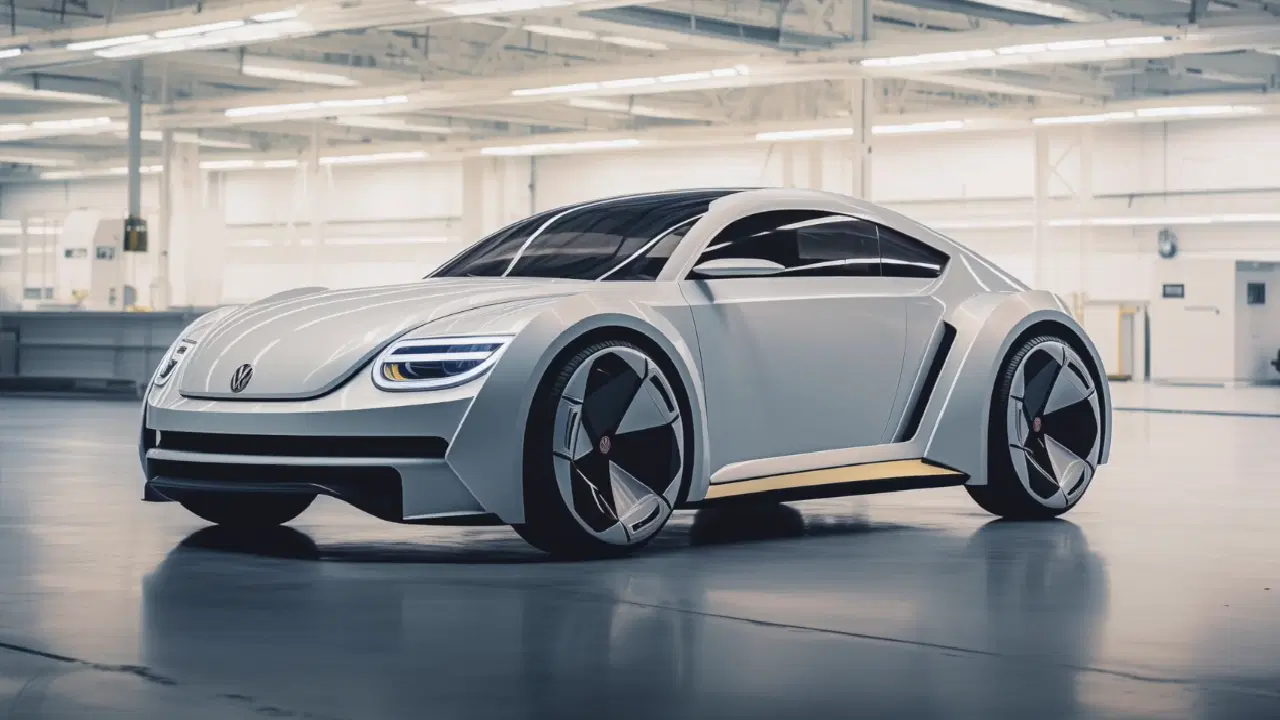
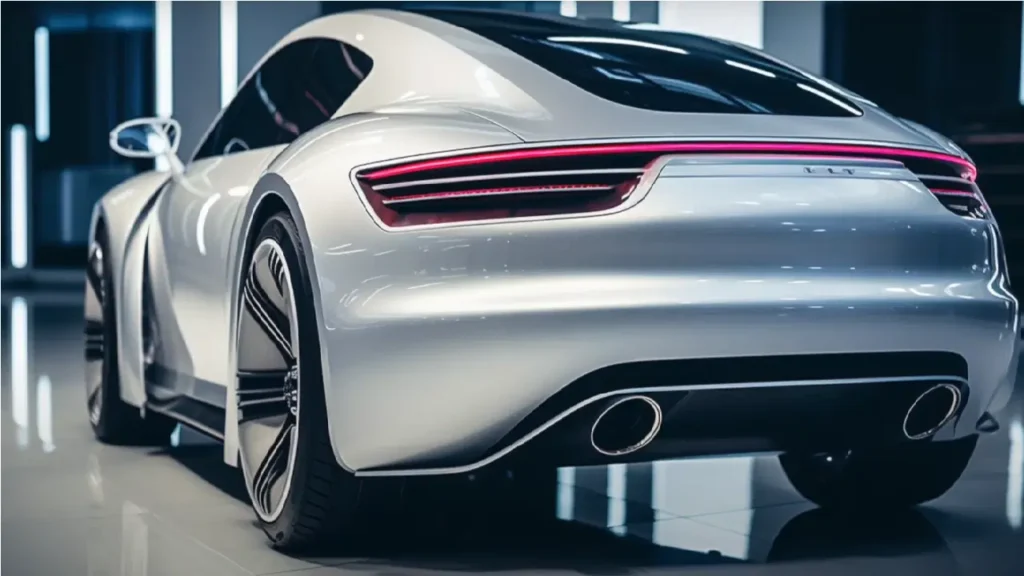
The Volkswagen Beetle is not currently in official production for 2026, but persistent automotive industry rumors, trademark updates, and electric concept leaks point toward a highly anticipated EV revival built on VW’s scalable MEB entry architecture. Aiming for an accessible starting price near $30,000, any future electric Beetle—often referred to in enthusiast circles as the Beetle eMotion—is projected to feature native rear-wheel drive (RWD), retro-inspired interior tech, and an estimated range of up to 250 miles to challenge modern compact EVs.
Contents
- The Verdict: Is a New VW Beetle Actually Coming Back?
- The Evolution of the Iconic Bug: From Type 1 to the Final Edition
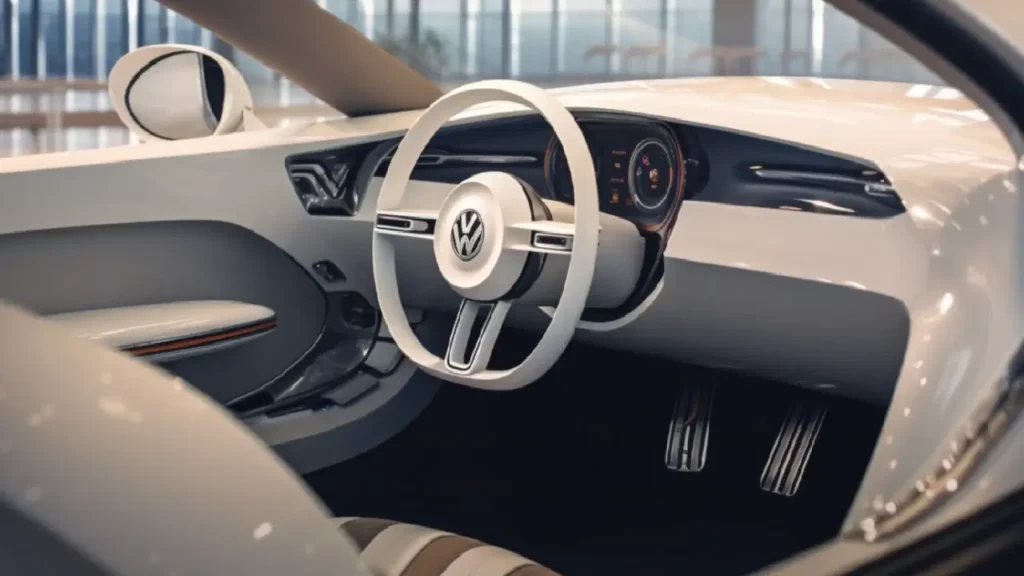
- Inside the VW Beetle Interior: Retro Revival Meets Digital Cockpits
- Will There Be a VW Beetle Cabriolet EV? Convertible Rumors & Concepts
- Drivetrain Specs & Architecture: Returning to Rear-Wheel Drive
- Market Positioning, Pricing & Compact EV Competition
- The Heritage Factor: Why Volkswagen Needs an Emotional Halo Car
- VW Beetle EV FAQs
The Verdict: Is a New VW Beetle Actually Coming Back?
If you ask three different Volkswagen executives about the revival of the Beetle, you might get three subtly different answers. Official statements from Wolfsburg have bounced between absolute denial and tantalizing hints over the past few model years. Former VW Group CEO Herbert Diess openly championed emotional heritage EVs, pointing to the success of the Volkswagen ID.Buzz as proof that nostalgia sells. However, current brand chief Thomas Schäfer has emphasized streamlining production around high-volume crossovers.
Despite mixed signals from the corporate executive suite, automotive design studios and independent renders continue to stoke the fire. The underlying reality is simple: Volkswagen has developed the hardware required to build a modern Bug without spending billions on a bespoke platform. With the rollout of the MEB Entry architecture—designed specifically for affordable, compact front- and rear-drive electric cars—the engineering hurdles that once stood in the way of a low-slung retro hatchback have virtually vanished.
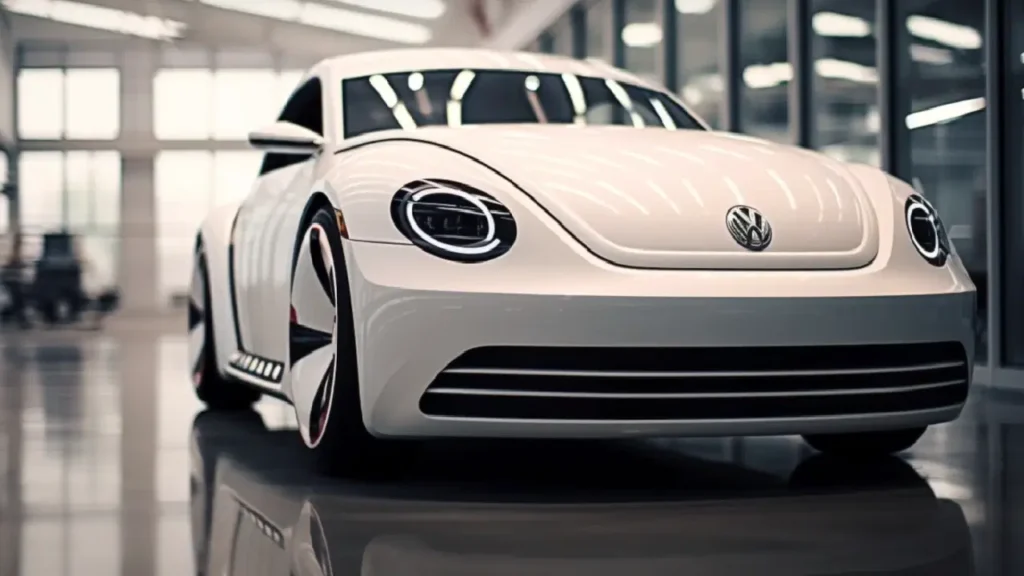
While an official dealership arrival is not confirmed for this calendar year, auto analysts track global patent filings and chassis developments closely. If greenlit for production, an electric Beetle concept would likely be revealed at a major international auto show before heading into limited production. For car buyers holding out hope for a brand-new Bug, the dream is far from dead—it has simply migrated from internal combustion power to pure battery electrification.
The Evolution of the Iconic Bug: From Type 1 to the Final Edition
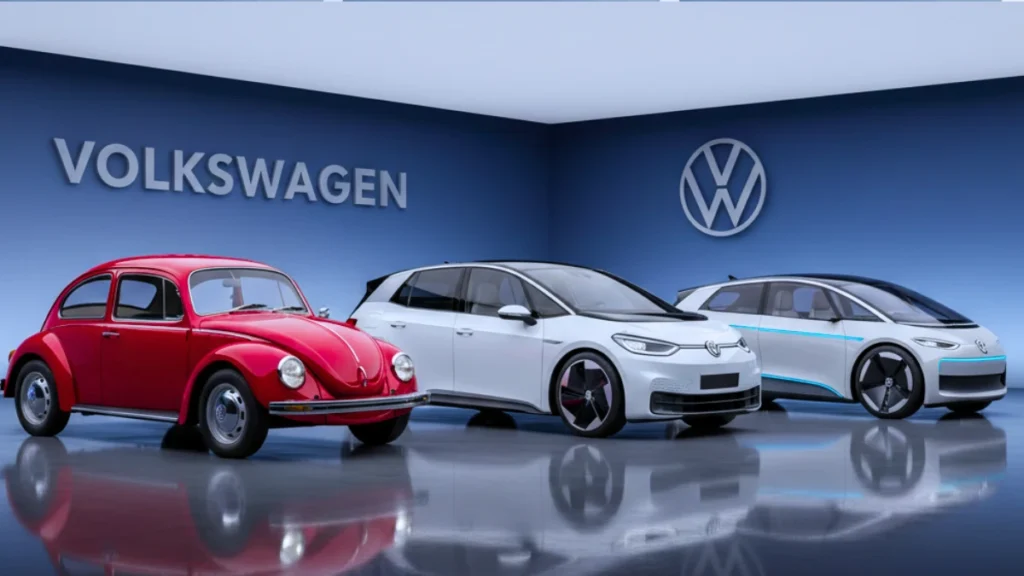
To understand why any rumor about a new Beetle instantly captures global headlines, one must look at the mechanical legacy that spans nearly a century. The story began with the original Type 1, conceived in the late 1930s and manufactured continuously in various global markets until the last air-cooled model rolled off the Puebla assembly line in Mexico in 2003. Built around a simple rear-mounted, air-cooled boxer engine, the original Beetle was designed for ease of repair, absolute mechanical resilience, and accessible everyday mobility.
The original Bug wasn’t fast, quiet, or particularly luxurious. Yet its rounded fenders and mechanical simplicity turned it into an international cultural touchstone. It bridged demographic divides across North America and Europe, serving as affordable student transport, a platform for custom dune buggies, and a canvas for automotive self-expression. Over 21 million units of the original Type 1 were manufactured, securing its place as one of the best-selling single car platforms in human history.
Volkswagen Beetle Industry Timeline
| Generation | Production Years | Engine Layout | Drive Configuration | Key Mechanical Trait |
|---|---|---|---|---|
| Type 1 (Original Bug) | 1938 – 2003 | Air-Cooled Flat-4 (Rear) | Rear-Wheel Drive (RWD) | Mechanical simplicity, torsion bar suspension |
| New Beetle | 1998 – 2010 | Water-Cooled Inline-4 / VR5 (Front) | Front-Wheel Drive (FWD) | Golf Mk4 platform, iconic dashboard flower vase |
| Beetle (A5 Generation) | 2012 – 2019 | TSI Turbo-4 / TDI Diesel (Front) | Front-Wheel Drive (FWD) | Lower roofline, sportier stance, modern VW tech |
| Beetle EV Concept (Projected) | Future Concept | Electric Motor (Rear or Dual) | RWD or Dual-Motor AWD | Flat-floor MEB platform, zero emissions, instant torque |
In 1998, Volkswagen pulled off one of the greatest marketing masterstrokes in modern automotive history by introducing the New Beetle. Riding on the front-wheel-drive platform of the Golf Mk4, the New Beetle traded rear-engine quirkiness for modern safety features, front-wheel-drive winter traction, and air conditioning. It captured buyer nostalgia while delivering modern Volkswagen refinement. The bubble body shape returned, complete with an iconic dashboard bud vase that symbolized its playful identity.
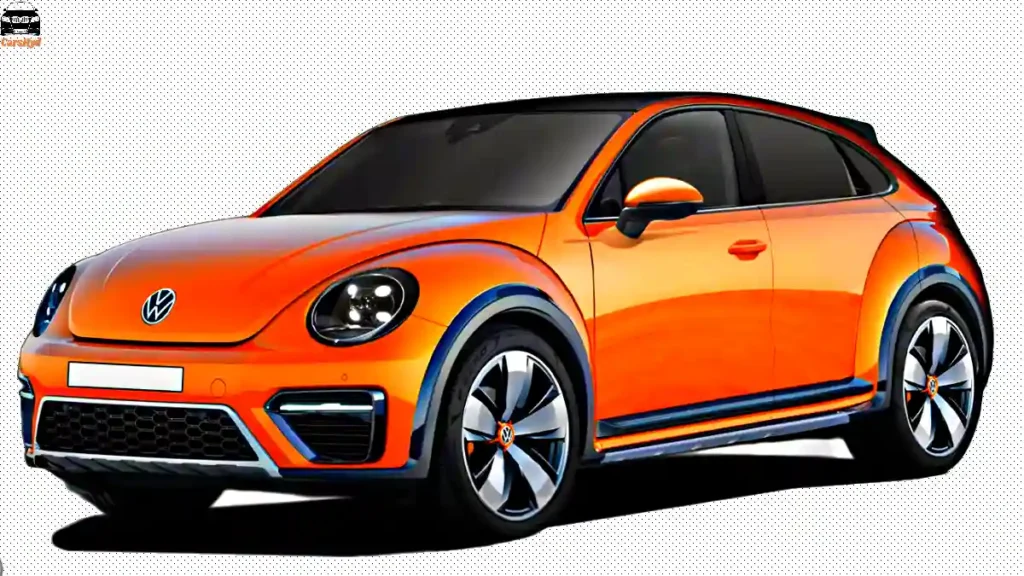
By 2012, Volkswagen updated the car once more with the A5 generation, dropping the “New” prefix and giving the vehicle a sleek, aggressive profile reminiscent of early chopped-top hot rods. Engines grew more potent, borrowing turbocharged setups from the Golf GTI. However, changing consumer tastes began shifting the American car market away from two-door compact coupes toward compact crossovers and SUVs. When the final “Final Edition” models exited the factory in 2019, many assumed the Beetle nameplate was retired for good.
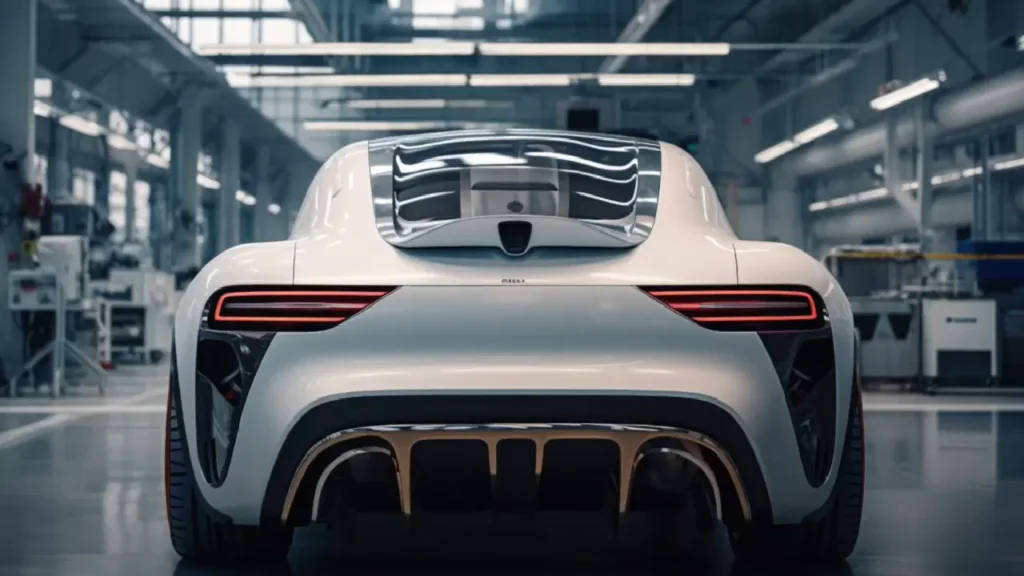
Inside the VW Beetle Interior: Retro Revival Meets Digital Cockpits
One of the biggest limitations of previous gas-powered Beetle models was interior packaging. Because those cars used standard compact platforms shared with front-engine hatchbacks, the long dashboard and sloping rear roofline ate into cabin usability. Passengers in the back seat often suffered from cramped head clearance, while cargo capacity lagged behind traditional hatchbacks.
An electric platform completely transforms this dynamic. By mounting an electric motor under the rear cargo floor and packaging high-density battery cells flat within the skateboard frame, engineers can push the wheels out to the far corners of the body. This creates a remarkably spacious cabin footprint relative to the car’s overall exterior length.
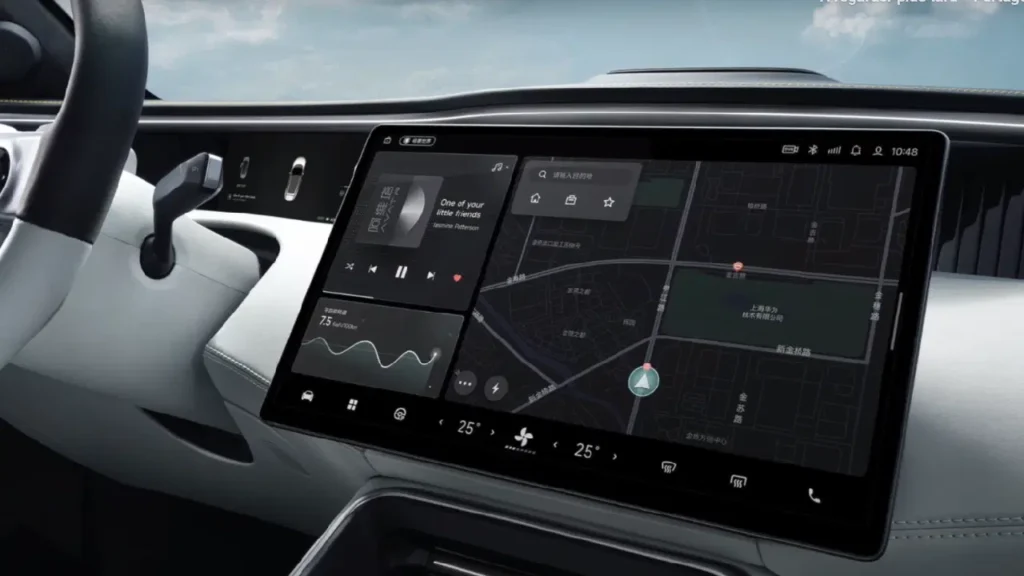
Concept interior designs for an electric Beetle mix digital convenience with vintage touches. Expect a large floating touchscreen display running Volkswagen’s latest MIB4 infotainment software, featuring natural voice controls, wireless Apple CarPlay, and Android Auto. Yet, directly behind the steering wheel, designer sketches hint at a single round digital gauge cluster that pays tribute to the classic single-pod speedometer found in original 1950s Bugs.
Material choices in modern EV cabins are shifting rapidly toward sustainability. In line with trends observed in cars like the Honda Civic Hybrid interior, an electric Beetle cabin would swap out petroleum-based plastics for recycled ocean polymers, synthetic suede seating surfaces, and ambient LED light strips that allow drivers to change the cabin mood instantly. The result is a clean, uncluttered layout that feels open, airy, and technologically advanced.
Will There Be a VW Beetle Cabriolet EV? Convertible Rumors & Concepts
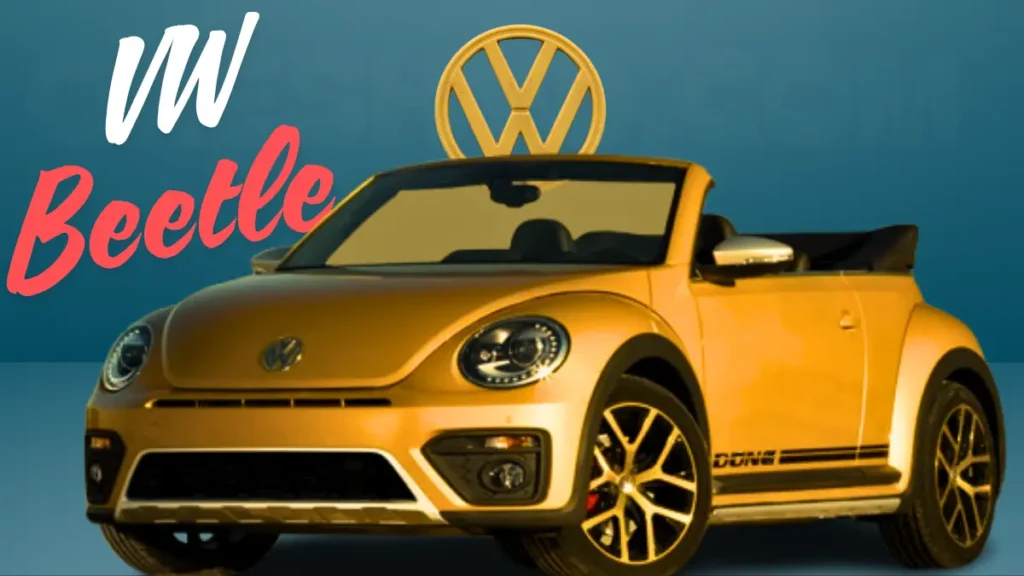
No discussion about the Beetle is complete without addressing its open-air legacy. The Beetle Convertible (Cabriolet) was a staple of coastal driving for decades, offering sun-seeking drivers an affordable alternative to expensive luxury drop-tops. Naturally, enthusiast renderings of an electric revival almost always feature a soft-top convertible option alongside the standard hardtop hatchback.
Building an electric convertible presents unique engineering opportunities and challenges. On one hand, removing a fixed metal roof can reduce structural rigidity. On the other hand, the heavy battery pack of an EV is mounted low down in the floor, which inherently creates an ultra-low center of gravity and reinforces the bottom chassis frame. This rigid floor structure makes an electric car an ideal candidate for a convertible top, minimizing the body flex often found in traditional gas convertibles.
While mainstream automakers have been hesitant to launch mass-market electric convertibles due to aerodynamic drag penalties, a boutique halo vehicle like a Beetle Cabriolet EV could occupy a lucrative niche. A power-folding fabric roof paired with whisper-quiet electric acceleration would deliver an open-air driving experience that gas-powered compacts simply cannot match. If VW aims to build an emotional brand ambassador rather than just another commuter pod, a Cabriolet variant remains a top candidate for production consideration.
Drivetrain Specs & Architecture: Returning to Rear-Wheel Drive
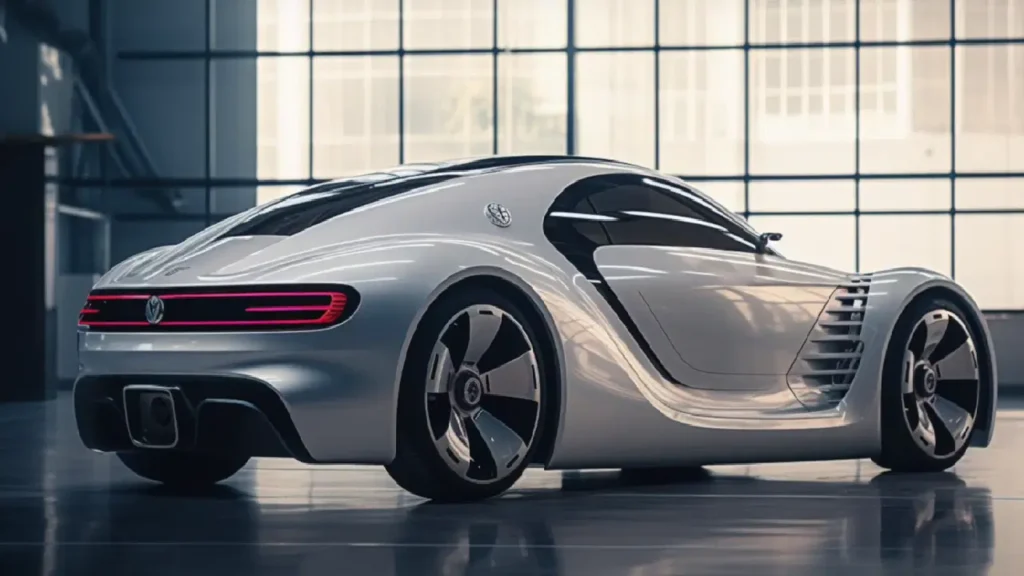
Perhaps the most exciting aspect of a potential electric Beetle is what lies beneath the bodywork. The original 1938–2003 Beetle placed its engine in the back and sent power to the rear wheels. When the New Beetle launched in 1998, purists lamented the switch to a front-engine, front-wheel-drive layout. Electrification allows Volkswagen to return the Beetle to its true mechanical roots.
Volkswagen’s modular electric drive matrix (MEB) is inherently engineered around a rear-motor, rear-wheel-drive setup as its base configuration. By mounting an electric motor directly onto the rear axle, an electric Beetle would achieve near 50:50 weight distribution. Instant electric torque delivered to the rear wheels would give the car responsive off-the-line acceleration and agile handling through tight corners, matching the punchy personality enthusiasts expect.
Specification
| Specification Parameter | Base Model (Projected) | GTI / Performance Variant (Projected) |
|---|---|---|
| Drive Configuration | Single Motor Rear-Wheel Drive (RWD) | Dual Motor All-Wheel Drive (AWD) |
| Estimated Horsepower | 170 hp – 201 hp | 280 hp – 315 hp |
| Battery Pack Size | 52 kWh (Usable) | 77 kWh (Usable) |
| Estimated EPA Range | 220 – 250 Miles | 270 – 300 Miles |
| DC Fast Charging (10-80%) | Approx. 25 minutes (135 kW) | Approx. 28 minutes (175 kW) |
| 0–60 mph Acceleration | ~6.8 Seconds | ~4.9 Seconds |
Battery capacity for a compact EV in this segment would likely range from 52 kWh on standard models up to 77 kWh for extended-range editions. Official testing procedures administered by federal energy agencies like the U.S. Environmental Protection Agency (EPA) would likely rate a standard battery pack around 240 miles of mixed driving range. Thanks to modern 400-volt charging architectures, topping up the battery from 10% to 80% at a public DC fast charger would take under 30 minutes, making weekend road trips practical.
Volkswagen Beetle Safety
Safety technology would also take a giant leap forward compared to sunset gas models. Volkswagen’s IQ.DRIVE safety suite would come standard, offering hardware designed to meet strict crash standards set by safety organizations such as the National Highway Traffic Safety Administration (NHTSA). Features like automatic emergency braking, blind-spot monitoring, dynamic road sign display, and lane-keeping assistance would ensure the retro design meets modern crashworthiness demands.
Market Positioning, Pricing & Compact EV Competition
If Volkswagen brings an electric Beetle to market, where does it fit into the broader EV landscape? Pricing is the critical factor. For electric cars to achieve mainstream adoption, manufacturers must offer compelling vehicles priced under $35,000. If VW targets a starting MSRP near $30,000 before applicable federal or state incentives, an electric Bug could become an entry point for younger buyers entering the EV ecosystem.
In the North American market, competition in the affordable compact segment is heating up rapidly. An electric Beetle would line up directly against stylish urban hatchbacks and compact EVs, including the Fiat 500e, MINI Cooper SE, and long-rumored entry-level offerings like the Tesla compact platform. While competitors rely heavily on aggressive minimalism or sharp angular styling, Volkswagen’s weapon is timeless, friendly design that appeals to emotional buying instincts.
Unlike utilitarian electric commuter cars that look like appliances, a reimagined Beetle relies on character. Customization options—such as contrasting two-tone roof combinations, retro wheel designs mimicking classic chrome hubcaps, and vibrant exterior paint palettes like Sunflower Yellow and Habanero Orange—would allow owners to build a unique vehicle. This personalization strategy has proven highly profitable for brands like MINI, and VW could execute it seamlessly with modern digital ordering tools.
The Heritage Factor: Why Volkswagen Needs an Emotional Halo Car
Automotive brands are built on emotion as much as engineering metrics. While practical crossover SUVs pay the bills and fund battery research, they rarely build passionate brand loyalty. Volkswagen built its global reputation on iconic nameplates: the Golf GTI, the Microbus, and above all, the Beetle. As the automotive industry transitions to electric drivetrains, many modern EVs risk looking indistinguishable from one another in wind tunnels.
The success of the ID.Buzz demonstrated that consumers around the world are eager to buy electric vehicles that make them smile. Bringing back the Beetle as an electric vehicle gives Volkswagen an instant halo car—a vehicle that draws foot traffic into showrooms and creates organic viral interest on social media. Detailed corporate news releases available through the official Volkswagen Newsroom confirm that Volkswagen continues to invest in heritage-inspired concept vehicles to showcase future design directions.
Whether Volkswagen ultimately decides to put the electric Beetle into full serial production or use its design cues on a broader lineup of compact electric cars, one thing remains clear: the Beetle’s iconic shape remains one of the most recognizable designs in human history. Coupling that heritage with zero-emission electric performance is an opportunity that Wolfsburg engineers may find impossible to resist.
VW Beetle EV FAQs
1. Can you buy a brand-new Volkswagen Beetle in 2026?
No, Volkswagen does not currently manufacture a production-ready Beetle model. Gas-powered Beetle production officially ended in 2019, and no direct replacement is currently sitting on dealership lots.
2. Is Volkswagen officially building an electric Beetle?
While Volkswagen has not officially confirmed a production start date, company executives and design chiefs have repeatedly acknowledged that an electric Beetle built on the MEB platform is technically feasible and under constant internal evaluation.
3. Will an electric Beetle be front-wheel drive or rear-wheel drive?
If built on Volkswagen’s dedicated MEB electric architecture, a base electric Beetle would naturally feature a rear-mounted motor driving the rear wheels, returning the car to its original rear-engine, RWD mechanical configuration.
4. How much would an electric VW Beetle cost?
Automotive analysts estimate that to remain competitive against rival compact EVs, an electric Beetle would target a starting price point around $30,000 to $35,000 before incentives.
5. What is the expected driving range of a modern Beetle EV?
Using standard battery pack sizes planned for compact EVs, a modern electric Bug would likely offer an estimated EPA driving range between 220 and 250 miles per charge.
6. Will there be a convertible electric Beetle?
While initial EV rollouts usually prioritize standard hatchbacks, design renders and historical sales data suggest that a soft-top Cabriolet version would be a prime candidate for a secondary model release.