




For over four decades, the Nissan Sentra has been a dependable alternative to segment leaders like the Honda Civic and Toyota Corolla. Now, for 2026, Nissan introduces a next-generation redesign focused on refinement rather than reinvention, with a clear goal: moving upmarket without losing its affordability edge.
Positioned between affordability and premium aspirations, the 2026 Sentra targets buyers who want more than just basic transportation.
But in a segment that’s evolving fast—with hybrids, turbo engines, and AWD options—does the redesigned Sentra still make sense? Let’s break it down.
Contents
- A More Upscale Design Inside and Out
- Interior: Surprisingly Close to Luxury
- Performance: Reliable, But Showing Its Age
- Driving Experience: Comfort Over Sportiness
- Space and Practicality
- How Does the 2026 Sentra Compare to Rivals?
- Pricing: One of the Best Values in the Segment
- Pros and Cons
- Final Verdict: Should You Buy the 2026 Sentra?
- FAQ About the 2026 Nissan Sentra
A More Upscale Design Inside and Out
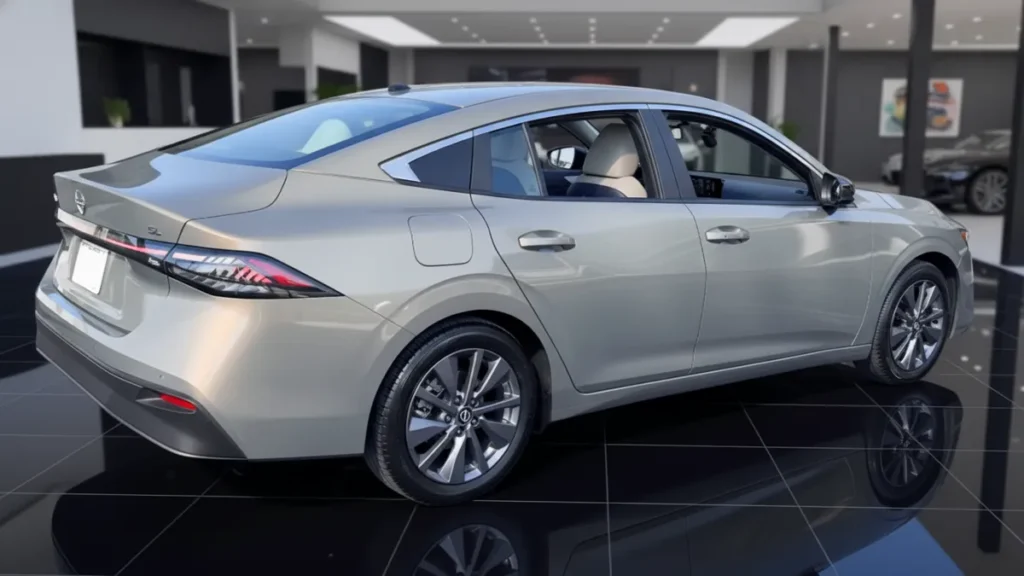
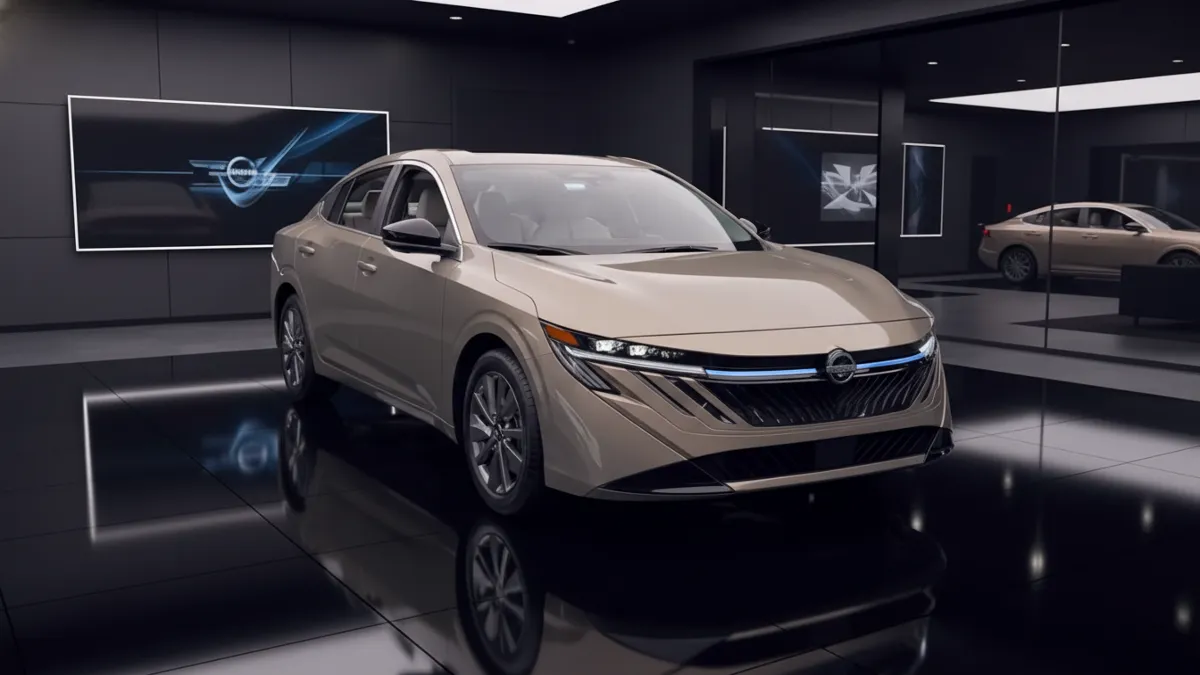
The 2026 Sentra takes a noticeable step toward a more premium look. Its exterior styling feels more refined, borrowing cues from larger sedans like the now-discontinued Nissan Maxima and the current Nissan Altima.
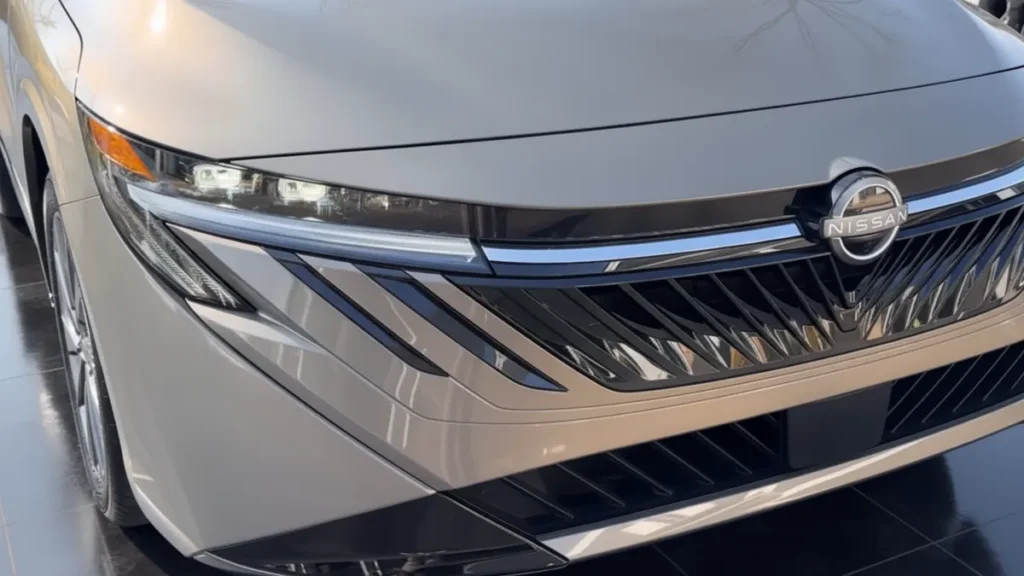
Up front, the latest V-motion grille, full LED lighting (now standard across all trims), and sculpted body lines give the Sentra a wider, lower stance—even if its actual dimensions haven’t changed much.
On higher trims like the SL, details such as:
- Exclusive paint colors
- 17-inch alloy wheels
- Chrome accents and LED lighting signatures
help reinforce the upscale positioning.
Full details can also be confirmed through official Nissan specifications.
👉 Overall, this is arguably the most premium-looking Sentra to date.
Interior: Surprisingly Close to Luxury
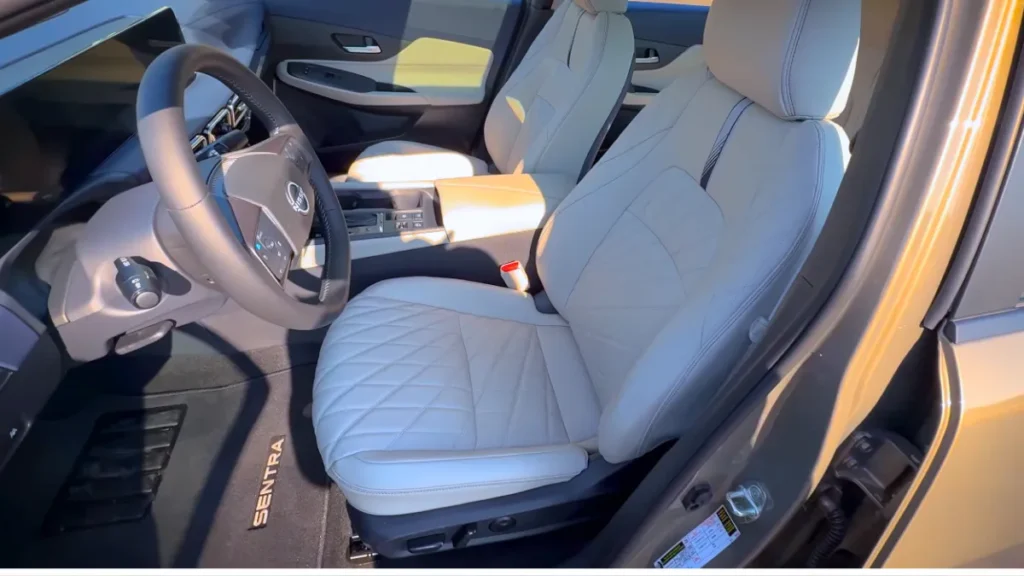
Step inside, and the transformation becomes even more obvious.
The SL trim features:
- Quilted leatherette seats with contrast stitching
- Dual 12.3-inch displays (instrument cluster + infotainment)
- Ambient lighting (up to 64 colors)
- Bose premium audio system
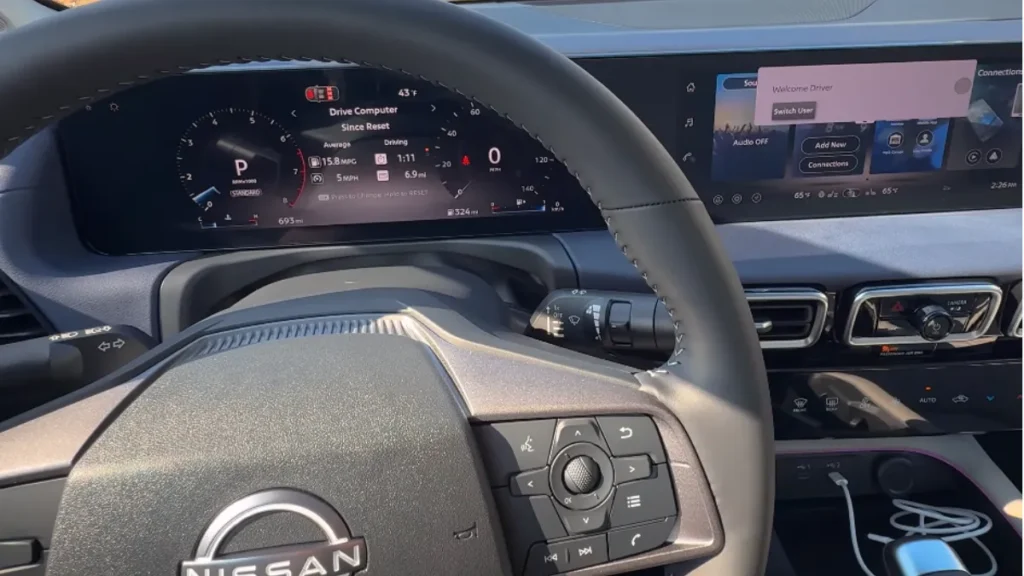
The layout feels modern, clean, and user-friendly. While it doesn’t include built-in Google software, it does offer:
- Wireless Apple CarPlay
- Android Auto
- A fast and responsive interface
Comfort is a standout. Nissan’s “Zero Gravity” seats remain among the best in the segment, making long drives easy and fatigue-free.
👉 For the price, the Sentra’s cabin punches well above its weight.
Performance: Reliable, But Showing Its Age
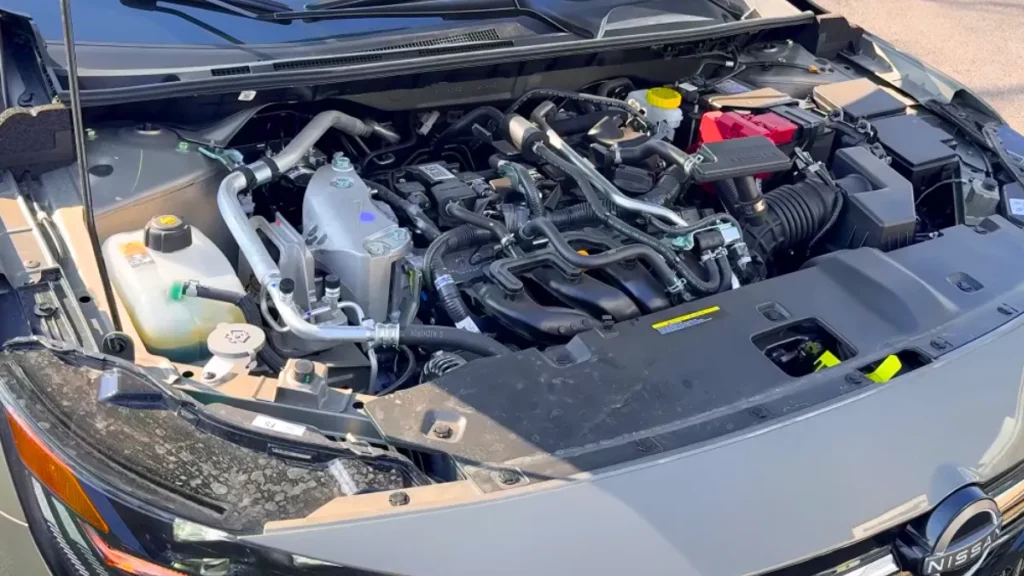
Under the hood, not much has changed—and that’s both good and bad.
The 2026 Sentra keeps its:
- 2.0L naturally aspirated 4-cylinder engine
- 149 horsepower / 146 lb-ft of torque
- CVT transmission
- Front-wheel drive only
Fuel economy remains solid:
- 29 mpg city / 36 mpg highway (32 mpg combined)
- Real-world driving range is competitive
According to official EPA fuel economy ratings, the Sentra remains competitive in real-world efficiency.
However, performance is modest. Real-world 0–60 mph times land around 8.1 to 8.5 seconds, which is slower than many rivals.
Compared to competitors:
- The Civic Hybrid is quicker and more efficient
- Turbo models like the Kia K4 GT-Line offer stronger acceleration
- Hybrid options from Toyota and Honda exceed 40 mpg
👉 The Sentra is smooth and predictable—but not exciting.
Driving Experience: Comfort Over Sportiness
On the road, the Sentra focuses on comfort and ease of use.
Key highlights:
- Fully independent suspension (a rarity in the segment)
- Soft ride quality, ideal for commuting
- Light yet precise steering
It handles corners competently but leans toward comfort rather than performance. The CVT prioritizes smoothness over engagement, though engine noise becomes noticeable under hard acceleration.
👉 This is a commuter-first sedan—not a driver’s car.
Space and Practicality
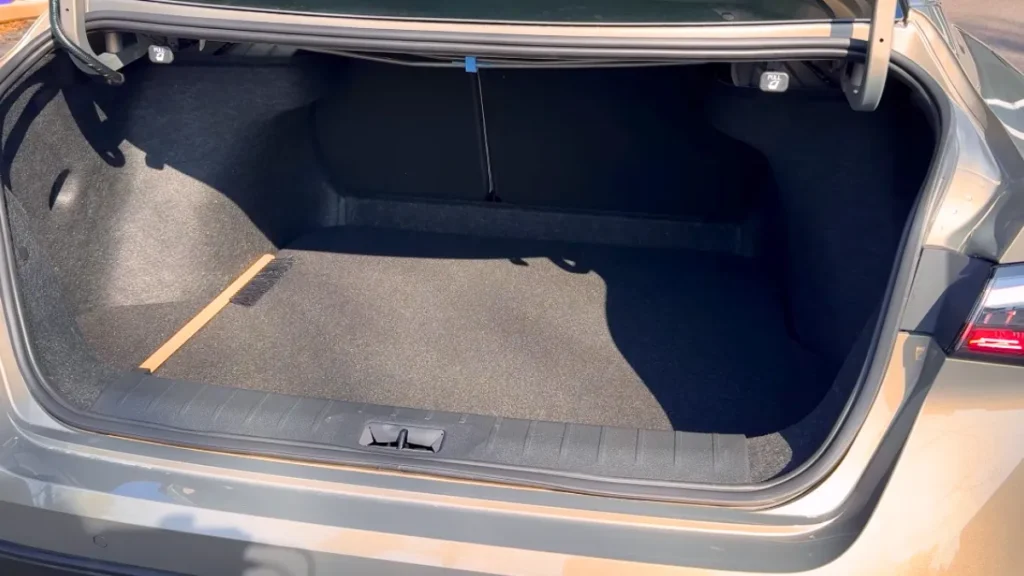
The Sentra remains practical for everyday use:
- 14.3 cubic feet of trunk space (above average)
- 60/40 split-folding rear seats
- ~35 inches of rear legroom
Rear passengers get decent space, though features like rear air vents or heated seats are missing.
👉 It’s a solid choice for small families or daily commuting.
How Does the 2026 Sentra Compare to Rivals?
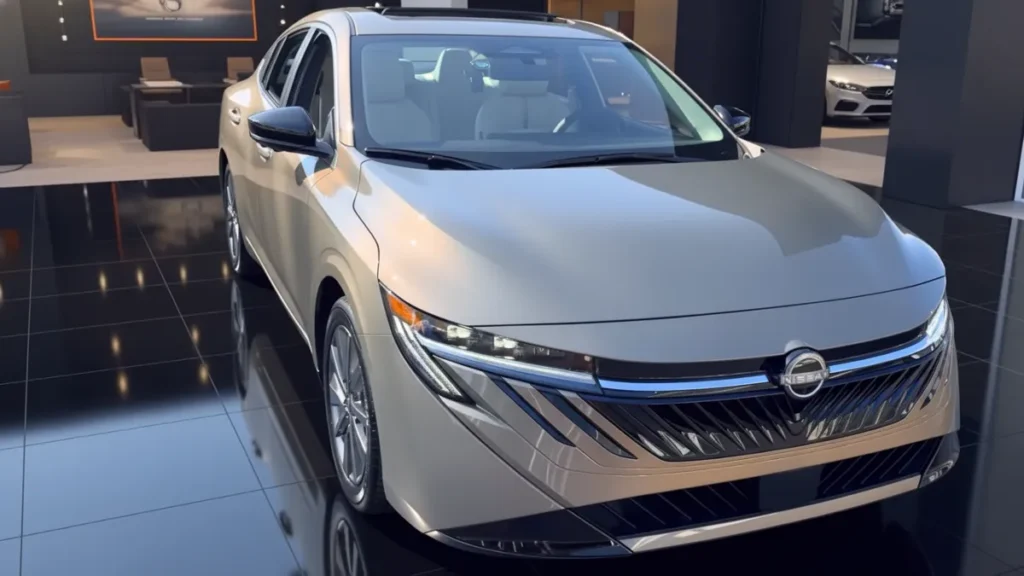
In today’s compact sedan segment, the 2026 Nissan Sentra faces tougher competition than ever. Buyers now expect more than just affordability—they want efficiency, performance, and advanced tech. That’s where key rivals like the Honda Civic, Toyota Corolla, and Kia K4 come into play.
Independent tests from sources like Car and Driver’s compact sedan rankings highlight how competitive this segment has become.
The Sentra stands out with its premium interior and strong value for money, especially in higher trims like the SL. However, competitors offer more variety under the hood, including hybrid and turbocharged options, giving them an edge in both performance and fuel efficiency.
The Civic leads in driving dynamics and hybrid efficiency, while the Corolla remains the benchmark for reliability and fuel economy. Meanwhile, the Kia K4 targets younger buyers with sportier performance and cutting-edge tech features.
Here’s how they compare at a glance:
Sentra vs Civic vs Corolla vs K4
- Nissan Sentra (2026)
Engine: 2.0L naturally aspirated 4-cylinder
Horsepower: 149 hp
Fuel Economy: ~32 MPG combined
0–60 mph: ~8.1 seconds
Starting Price: ~$22,600
Key Strength: Best value and upscale interior - Honda Civic
Engine: 2.0L naturally aspirated / Hybrid
Horsepower: 150–200 hp
Fuel Economy: Up to 44 MPG
0–60 mph: ~6.2 seconds (Hybrid)
Starting Price: ~$24,000+
Key Strength: Efficiency and engaging driving experience - Toyota Corolla
Engine: 2.0L naturally aspirated / Hybrid
Horsepower: 169 hp
Fuel Economy: Up to 43 MPG
0–60 mph: ~7.5 seconds
Starting Price: ~$23,000+
Key Strength: Proven reliability and hybrid availability - Kia K4
Engine: 2.0L naturally aspirated / 1.6L turbo
Horsepower: 147–190 hp
Fuel Economy: ~30–34 MPG
0–60 mph: ~6.9 seconds (Turbo)
Starting Price: ~$23,500+
Key Strength: Strong performance and advanced tech
👉 Bottom line: If you prioritize comfort, value, and a near-luxury interior at a lower price point, the Sentra is a compelling choice. But if you’re looking for better performance or hybrid efficiency, rivals like the Civic, Corolla, and K4 may offer a more modern package.
Pricing: One of the Best Values in the Segment
One of the Sentra’s biggest strengths is pricing.
2026 Nissan Sentra Pricing (U.S.):
- S trim: ~$22,600
- SV trim: ~$23,300
- SR trim: ~$25,000
- SL trim: ~$27,900 (≈ $29,000 fully loaded)
For under $30K, you can get:
- 360-degree camera
- Heated seats and steering wheel
- Premium interior materials
- Large dual displays
👉 That’s significantly cheaper than many competitors with similar features.
Pros and Cons
Pros
- Premium interior for the price
- Smooth, comfortable ride
- Excellent value
- User-friendly tech
Cons
- No hybrid or turbo option
- Slower acceleration than rivals
- No AWD availability
- Missing some advanced features (ventilated seats, memory seats)
Final Verdict: Should You Buy the 2026 Sentra?
The 2026 Nissan Sentra doesn’t try to reinvent the segment—it refines what already worked.
It’s:
- Comfortable
- Affordable
- Well-equipped
But it also lags behind in powertrain innovation. In a world where hybrids and turbo engines are becoming the norm, the Sentra’s simplicity may feel outdated to some buyers.
In a segment shifting toward electrification, the Sentra stands as one of the last traditional compact sedans focused on simplicity.
👉 Still, if you want a reliable, stylish, and budget-friendly compact sedan, the Sentra remains one of the smartest choices in 2026.
FAQ About the 2026 Nissan Sentra
Yes, the 2026 Sentra is a strong value in the compact sedan segment. It offers a premium-feeling interior, comfortable ride, and a competitive price. However, it lacks a hybrid or turbo engine, which some rivals provide.
No, the 2026 Sentra is only available with a 2.0L naturally aspirated engine and front-wheel drive. Unlike competitors like the Toyota Corolla, there is currently no hybrid or all-wheel-drive option.
The Sentra delivers about 32 MPG combined (29 city / 36 highway). While that’s solid, it falls short of hybrid rivals like the Honda Civic Hybrid, which can exceed 40 MPG.
Not really. The Sentra focuses on comfort rather than performance, with a 0–60 mph time of around 8.1 to 8.5 seconds. That’s slower than turbocharged or hybrid competitors like the Kia K4.
Dual 12.3-inch displays (SV trims and up)
Wireless Apple CarPlay and Android Auto
Available 360-degree camera
Heated seats and steering wheel
Bose premium audio system (SL trim only)
Pricing starts at around $22,600 for the base S trim and goes up to about $27,900 for the SL trim. A fully loaded model can reach just under $30,000, making it one of the best-value options in its class.
It depends on your priorities. The Sentra offers better value and a more premium interior for the price, while the Honda Civic and Toyota Corolla provide better performance and hybrid efficiency.