
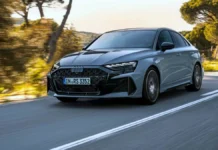




sDrive vs. xDrive Systems
sDrive indicates two-wheel drive (rear-wheel drive or front-wheel drive on entry models), whereas xDrive is BMW’s intelligent all-wheel-drive system designed for enhanced traction.



Explore CarsHyd's BMW Buyer's Guide for luxury sedans, X-Series SAVs, electric i-series models, M Performance engineering, engine reliability, and practical buying advice.
BMW (Bayerische Motoren Werke) remains one of the most iconic luxury automotive manufacturers worldwide, celebrated for its signature "Ultimate Driving Machine" ethos. Whether you are navigating compact sports sedans or full-size three-row SAVs, BMW focuses heavily on near 50:50 weight distribution, sharp steering response, and cutting-edge powertrain technology. Before choosing a model, it is vital to understand how BMW structures its naming hierarchy, drive systems, and trim levels.
Core Identity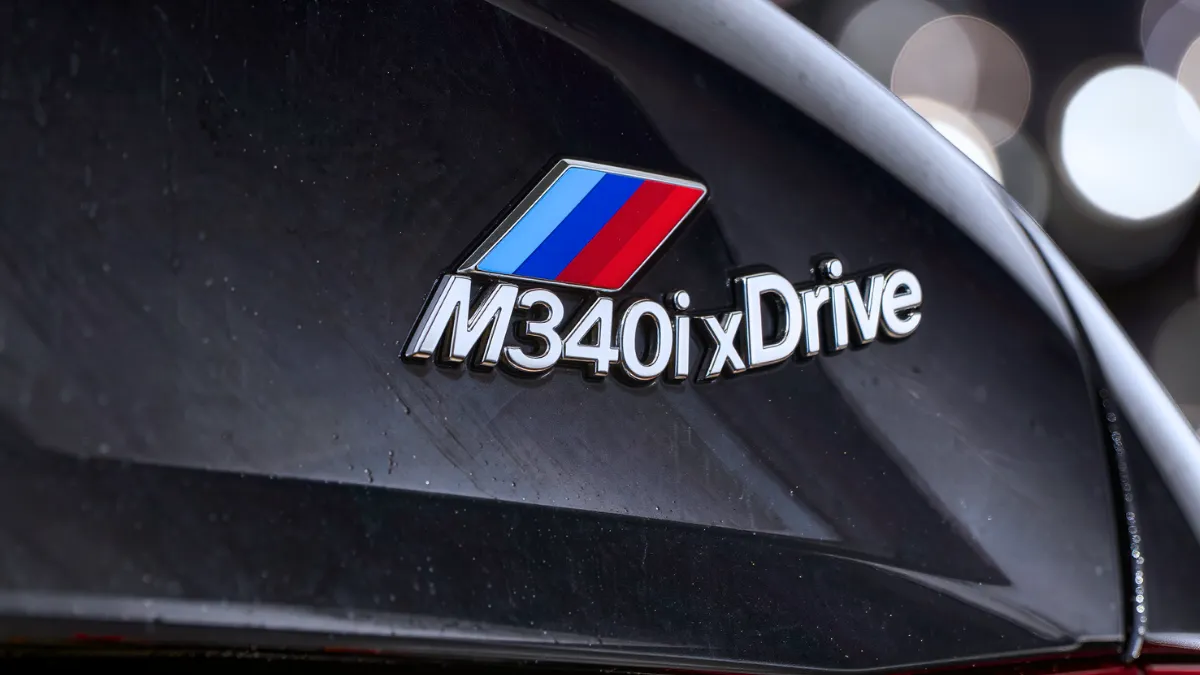
sDrive indicates two-wheel drive (rear-wheel drive or front-wheel drive on entry models), whereas xDrive is BMW’s intelligent all-wheel-drive system designed for enhanced traction.
The first digit represents the Series (Class/Size), while the last two digits historically indicated displacement but now signify performance tier (e.g., 30i for 4-cylinder, 40i/50i for 6-cylinder/V8).
"i" denotes petrol/gasoline fuel injection, "e" represents Plug-in Hybrids (PHEV), "i" prefix (e.g., i4, i5) marks 100% EVs, and "M" signifies performance tuning.
Smart Buyer Note: When shopping between trims (such as a standard BMW X3 30 xDrive versus an M50 or full M model), compare both long-term ownership costs and overall driving requirements before settling on a performance level. You can use our Ultimate Car Comparison Guide to benchmark specs.
BMW’s sedan and coupe core line represents the foundation of the brand’s dynamic driving reputation. From compact entry-level sports coupes like the 2 Series to executive grand tourers like the 5 Series and ultra-luxury flagships like the Alpina B7, BMW offers a distinct vehicle for every level of road performance and interior refinement.
Core Passenger Cars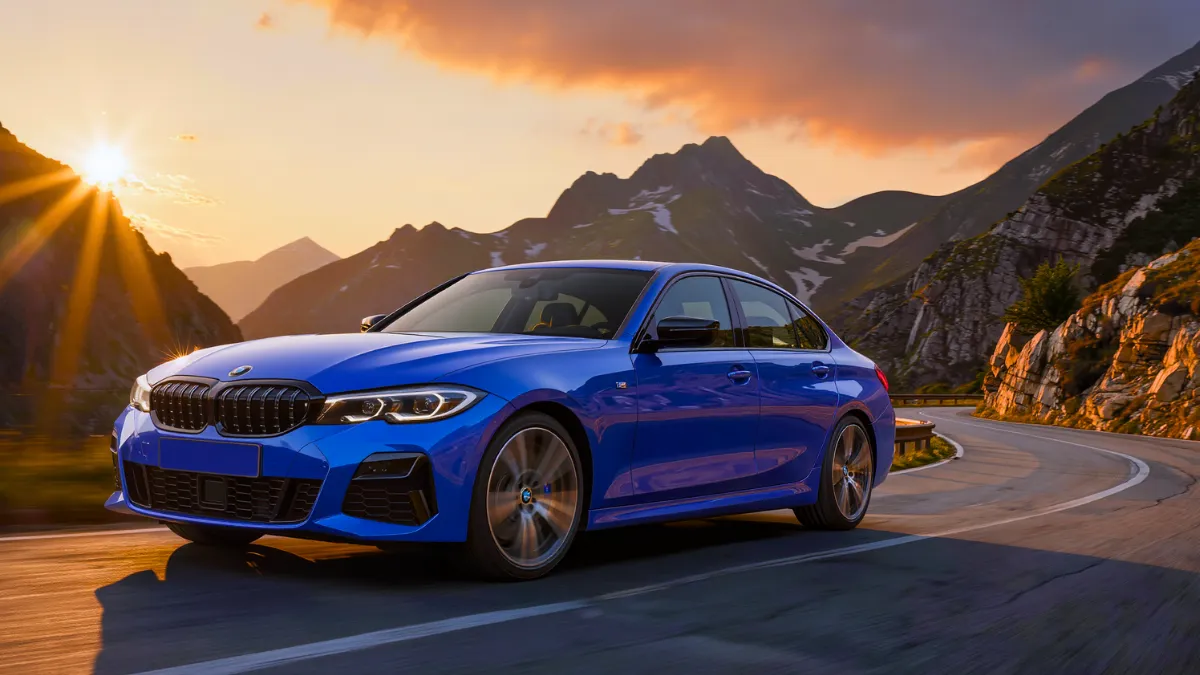
The 2 Series lineup delivers pure driver engagement in a compact footprint, anchored by high-performance models like the track-focused M2 CS.
The iconic executive sedan bridges luxury and sports heritage, now available in both traditional combustion engines and full-electric powertrains.
At the top of the passenger car portfolio sits the flagship 7 Series platform, offering bespoke luxury options and extreme V8 performance in Alpina tuning.
BMW categorizes its utility vehicle lineup into SAVs (Sports Activity Vehicles like the X1, X3, X5, and X7) and SACs (Sports Activity Coupes like the X2 and X6). Combining intelligent xDrive all-wheel drive technology, versatile cargo space, and high-seated driving visibility, BMW’s X-Series models consistently rank among the premier luxury SUVs on the market.
Utility & Performance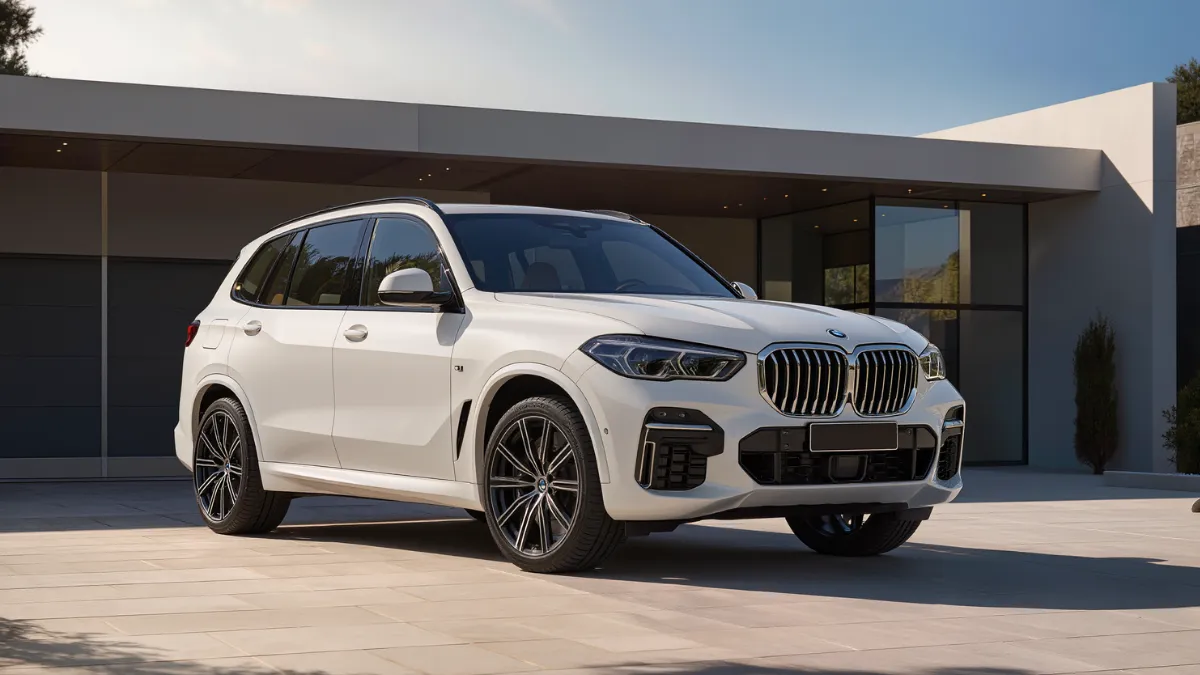
Entry-level utility models offering high practicality in compact footprints, featuring sporty trim variants like the performance-tuned X1 M35i.
The core mid-size luxury SAV balance point, offering versatile engine options including standard xDrive powertrains and high-output M Performance models.
BMW’s definitive luxury benchmark SAV combining premium cabin materials, towing capability, and refined engine setups from 6-cylinders to V8s.
The ultimate 3-row luxury family vehicle providing maximum interior room, air-suspension comfort, and executive rear-seat luxury features.
BMW’s electrification strategy relies on its "Power of Choice" approach, offering flexible platforms capable of hosting traditional combustion, plug-in hybrid (PHEV), or 100% electric (i Series) powertrains. Whether you choose the flagship iX electric SUV, an executive i5 sedan, or high-performance hybrid setups like the XM, BMW retains its trademark steering feel and dynamic chassis tuning.
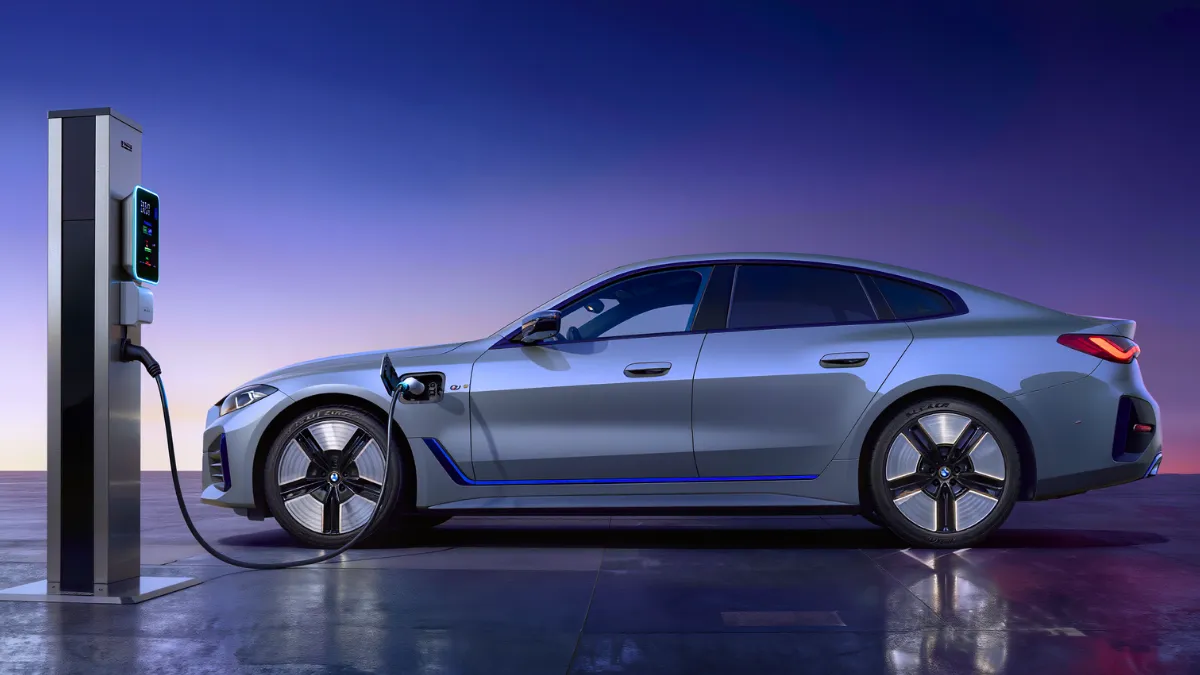
Combining traditional 5 Series executive comfort with Fifth-Gen eDrive motor efficiency and instant electric torque response.
Built from the ground up on a dedicated aluminum and carbon-fiber reinforced frame, delivering long range and high luxury interior design.
Plug-in hybrid options bridge short-distance zero-emission electric driving with the unrestricted range and V8 performance of M engineering.
BMW M GmbH is the legendary motorsport division responsible for producing some of the most celebrated high-performance cars in automotive history. Understanding the tier structure is key when buying: M Performance models (like the M35i, M50, or M60i) offer sporty daily utility, while Pure M models (such as the M2 CS, M3, M5, and X6 M) feature motorsport-derived S-code engines, track cooling, and aggressive chassis tuning.
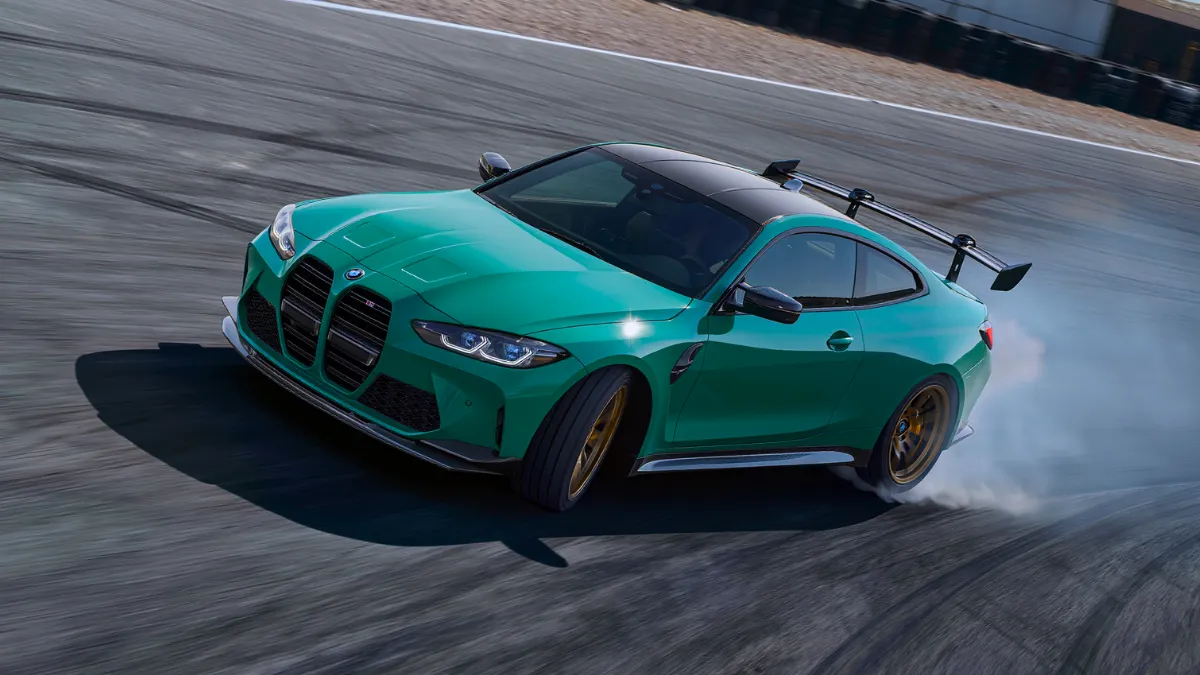
Pure driver focus in lightweight packages, carrying the torch from iconic racing legends like the E46 M3 GTR to modern track weapons like the M2 CS.
The ultimate executive super-sedan and estate wagon, delivering blistering supercar acceleration with luxury daily drivability.
Combining twin-turbocharged V8 engine performance with track-tuned xDrive setups to challenge world-class super-SUVs.
Motorsport History Nostalgia: Interested in how BMW M built its legacy? Check out our feature on the legendary BMW M3 GTR Need for Speed Icon .
Reliability remains a top priority when choosing a luxury European vehicle. BMW’s modern modular engine family—specifically the B48 4-cylinder and the legendary B58 3.0-liter inline-6—has set a new benchmark for durability, power output, and tuning potential, making modern BMWs significantly more reliable than generations past.
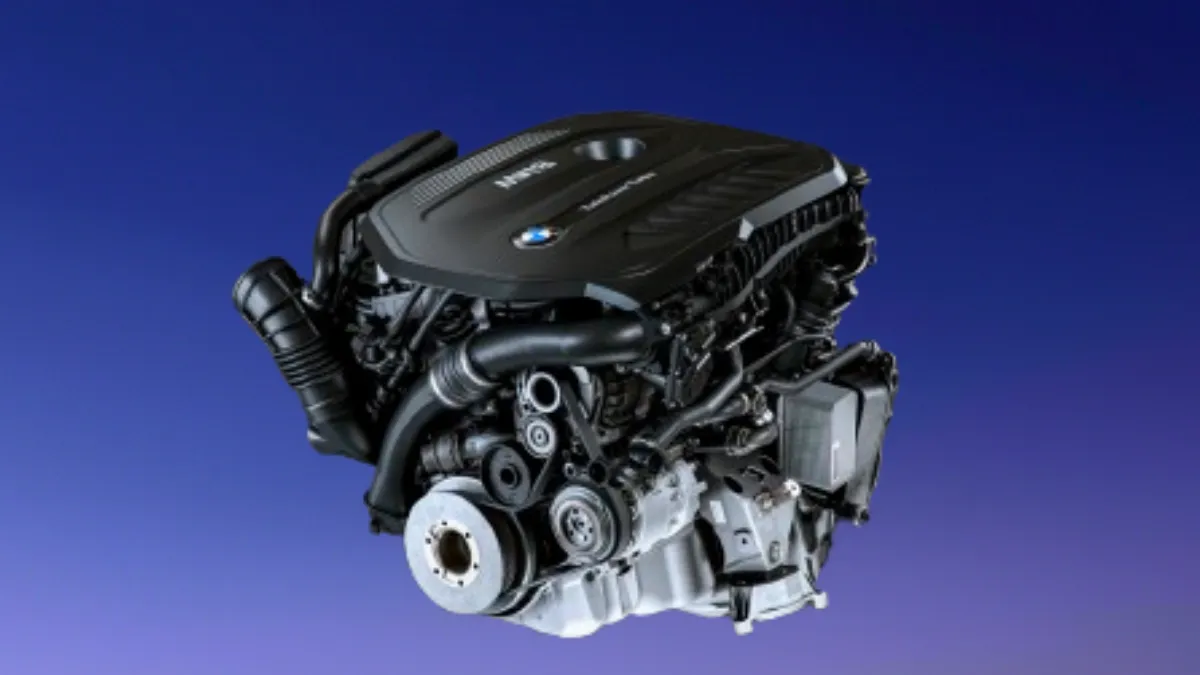
Featuring a closed-deck block, heat encapsulation, and robust internal components, the B58 powering models like the X3 M50 and M340i is widely regarded as one of the most reliable engines in the market.
Found in high-output M models, the twin-turbocharged S58 delivers track capability with forged components designed to withstand high boost pressures under heavy driving conditions.
Modern BMW models integrate active safety suites, radar-guided cruise systems, and iDrive software that require regular updates and sensor calibrations during maintenance.
To keep ownership costs predictable, stick to a strict maintenance schedule: oil changes every 5,000 to 7,500 miles, cooling system fluid flushes, and spark plug replacements at recommended intervals. For battery health on electrified models, consult our guide on EV Battery Lifespan Maintenance.
Choosing between competing BMW trims or cross-shopping against rival European luxury manufacturers (such as Audi and Mercedes-Benz) requires evaluating total cost of ownership, performance metrics, and residual value. Here is how BMW models stack up against top competitors and key decision factors when financing or leasing.
How BMW’s aggressive chassis tuning and xDrive power delivery contrast with Audi’s Quattro luxury performance setups in flagship SUV match-ups.
Evaluating residual value curves, mileage limits, and warranty coverage windows when structuring your new or certified pre-owned BMW agreement.
Use our standardized decision matrix to compare powertrain outputs, cargo dimensions, and standard feature sets across luxury crossovers.
When purchasing a new or pre-owned BMW, prioritize vehicles with complete electronic service records. If you are exploring lease deals or promotional financing options, visit our dedicated Car Lease Deals Portal and check Current Auto Deals for up-to-date incentives.
sDrive refers to BMW's two-wheel-drive configurations (typically rear-wheel drive on larger platforms or front-wheel drive on compact models), focusing on efficiency and classic handling dynamics. xDrive is BMW's intelligent all-wheel-drive system that electronically vectorizes power between axles to maximize traction in slippery or high-performance cornering conditions.
Yes. The 3.0-liter turbocharged inline-6 B58 engine is widely considered one of BMW’s most dependable powertrains. Engineered with a closed-deck aluminum block and robust internals, it offers exceptional reliability when combined with regular oil changes and basic maintenance routines.
M Performance models (like the M340i, X3 M50, or i5 M60) combine aggressive tuning with daily comfort and standard engine foundations. Pure M models (such as the M2, M3, M5, and X6 M) are track-dedicated vehicles built by BMW M GmbH, featuring bespoke S-code engines, reinforced cooling systems, and specialized suspension geometry.
BMW uses a "Power of Choice" strategy, building electric models like the i4 and i5 on shared flexible platforms alongside ICE vehicles. This allows electric models to retain traditional BMW driving feel, interior layouts, and build quality, while dedicated EV platforms like the iX maximize interior space and battery range.